

Smart farming is revolutionizing agriculture by combining Artificial Intelligence (AI), the Internet of Things (IoT), drones, sensors, and site-specific crop management to help farmers make smarter decisions.
AI-powered farming enables growers to optimize irrigation, monitor crop health, automate labor-intensive tasks, and maximize yields while reducing waste. From precision agriculture to autonomous machinery, modern farming technologies are reshaping the future of agriculture worldwide.
This guide explores how AI is driving modern precision agriculture, its major applications…
What Is Smart Farming?
Smart farming represents the next evolutionary step in agriculture, transforming traditional, intuition-based routines into a data-driven, highly efficient ecosystem. At its core, smart farming integrates advanced technologies—such as Artificial Intelligence (AI), Internet of Things (IoT) sensors, robotics, and cloud computing—to monitor, analyze, and optimize every stage of crop and livestock management. By giving growers real-time visibility into soil health, weather shifts, and crop conditions, this modern approach enables precise, resource-efficient decision-making that maximizes yield while drastically reducing operational waste.
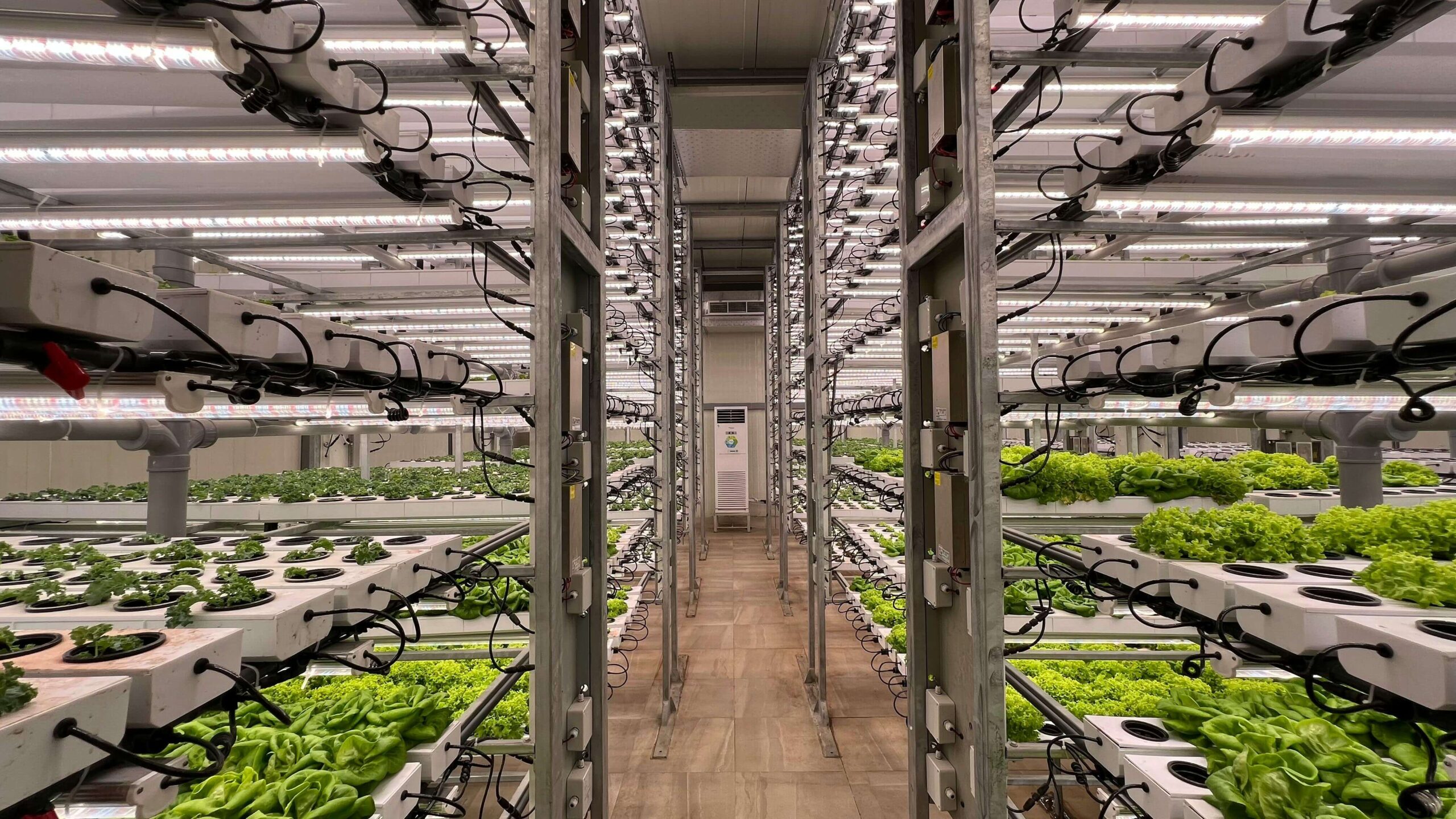
Definition of Smart Farming
Explain smart farming, AI, IoT, sensors, drones, cloud computing, and data-driven agriculture.
How Artificial Intelligence Powers Modern Agriculture
Explain machine learning, computer vision, predictive analytics, and automation.
Why Smart Farming Matters Today
Discuss:
- Climate change
- Water shortages
- Labor shortages
- Food demand
- Sustainable agriculture
- H2 2: Key Applications of AI in Smart Farming
- H3: Precision Agriculture and Crop Monitoring
Cover:
- Satellite imagery
- Soil sensors
- Variable-rate fertilization
- Precision spraying
- Crop health monitoring
- H3: AI-Powered Irrigation and Resource Management
Discuss:
- Smart irrigation
- Weather prediction
- Soil moisture monitoring
- Water conservation
- Fertilizer optimization
Farm Automation and Livestock Monitoring
Include:
- Autonomous tractors
- Harvesting robots
- AI drones
- Livestock tracking
- Animal health monitoring
Benefits of Smart Farming Technology
Adopting tech-driven agricultural practices transforms traditional farming into a highly efficient, data-driven industry. By replacing manual guesswork with real-time insights from artificial intelligence, IoT devices, and automation, farmers can optimize every stage of the growing cycle. From drastically improving crop yields to reducing operational overhead and promoting environmental sustainability, modern agricultural technologies offer actionable solutions to the biggest challenges facing today’s food producers.
Higher Crop Yield and Better Productivity
Explain:
- Better decision making
- Reduced crop loss
- Improved harvest quality
Lower Costs and Sustainable Farming
Discuss:
- Reduced pesticide usage
- Lower fertilizer costs
- Efficient water use
- Reduced labor expenses
Data-Driven Decision Making
Explain:
- Predictive analytics
- Real-time dashboards
- Yield forecasting
- Supply chain planning
Challenges and Future of Smart Farming
While digital farming offers transformative potential for modern agriculture., widespread adoption does not come without its hurdles. Transitioning from traditional methods to tech-driven systems requires navigating significant financial, technical, and operational obstacles. However, despite these initial barriers, continuous advancements in AI, robotics, and data analytics are paving the way for a more efficient, resilient, and sustainable agricultural ecosystem. Understanding both the current challenges and the emerging innovations is key to realizing the full power of precision agriculture.
Current Challenges Farmers Face
Include:
- High implementation costs
- Internet connectivity
- Digital literacy
- Data privacy
- Equipment maintenance
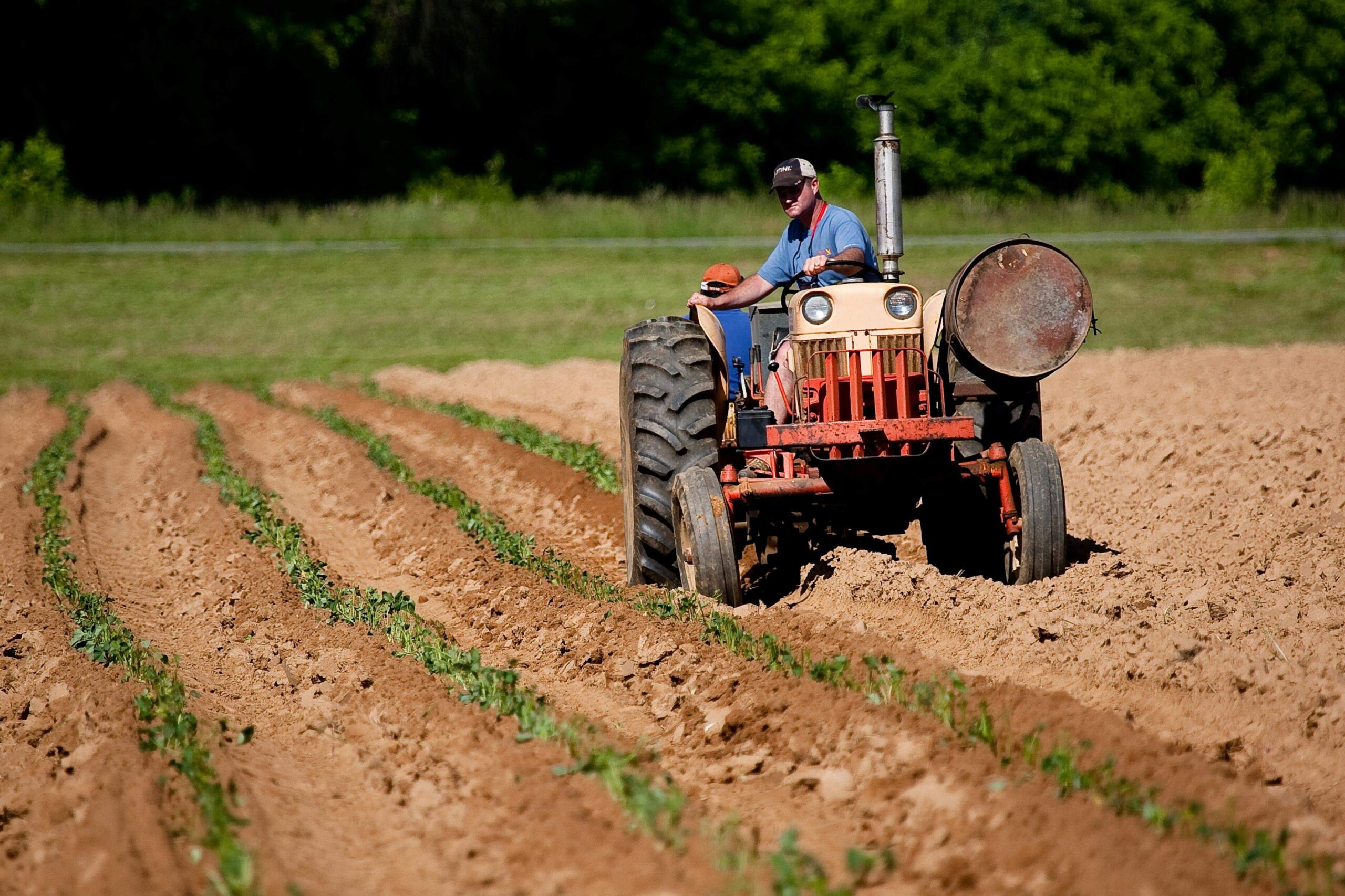
Emerging AI Technologies in Agriculture
By adopting site-specific crop management, agricultural businesses can lower fertilizer expenses, reduce chemical runoff, and boost overall farm sustainability.
Cover:
- AI robots
- Smart greenhouses
- Edge AI
- Computer vision
- Blockchain integration
The Future of Precision Agriculture
Modern sensors and satellite imaging enable site-specific crop management, allowing farmers to apply water and fertilizers only where they are needed most.
Discuss:
- Climate-smart farming
- Carbon-smart agriculture
- Autonomous farms
- AI marketplaces
- Future food production
Conclusion and Frequently Asked Questions
Final Thoughts
As global food demand continues to surge alongside unpredictable climate patterns, smart farming is no longer just an innovative concept—it is becoming an essential standard for modern agriculture. By integrating artificial intelligence, IoT sensors, and autonomous machinery, farmers can optimize resource usage, reduce operational costs, and significantly increase crop yields while promoting sustainable practices. Embracing these advanced technologies enables agricultural businesses to make data-driven decisions that secure both profitability and global food security for years to come.
-
Is Smart Farming Worth the Investment?
-
Draft Answer: Yes. While the initial setup cost for sensors, drones, or AI software can be significant, the long-term ROI is high. Reduced water and fertilizer usage, lower labor costs, and higher crop yields typically offset the initial investment within a few growing seasons.
-
-
Do farmers need advanced technical skills to use smart farming tools?
-
Draft Answer: Not necessarily. Most modern smart farming platforms feature user-friendly dashboards and mobile apps designed for easy navigation, requiring minimal technical training to manage daily operations.
-