

Artificial Islands International Law: In an age of rapid technological advancement and growing geopolitical competition, the construction of artificial islands has emerged as a powerful tool for nations seeking to expand their presence at sea. From strategic military bases to commercial hubs, these man-made structures are reshaping the maritime landscape. However, their rise has also sparked complex legal questions—particularly in the realm of international law.
At the heart of the debate lies a critical issue: Can artificial islands be considered sovereign territory? The answer is far from simple. International law, especially as codified in the United Nations Convention on the Law of the Sea (UNCLOS), provides a framework—but not without ambiguity. As nations continue to build and militarize artificial islands, the legal, political, and environmental implications grow increasingly significant.
What Are Artificial Islands in International Law?

Artificial islands are man-made structures constructed in oceans, seas, or other bodies of water. Unlike natural islands, which are formed through geological processes, artificial islands are built using materials such as sand, rock, and concrete.
These structures can serve multiple purposes:
- Military installations
- Oil and gas exploration platforms
- Tourism and real estate development
- Strategic territorial presence
Some artificial islands are small and temporary, while others are large enough to support airports, buildings, and permanent populations.
International Law Framework for Artificial Islands: UNCLOS
The primary legal framework governing artificial islands is UNCLOS, often referred to as the “constitution of the oceans.” It defines the rights and responsibilities of states in maritime areas.
Under UNCLOS, maritime zones are categorized as:
- Territorial Sea (up to 12 nautical miles)
- Exclusive Economic Zone (EEZ) (up to 200 nautical miles)
- Continental Shelf
Artificial islands are specifically addressed in Article 60 of UNCLOS, which states that:
- Coastal states have the right to construct artificial islands within their EEZ
- Artificial islands do not possess the status of natural islands
- They do not generate their own territorial sea or EEZ
This means that, legally, artificial islands cannot be treated as sovereign territory in the same way as natural land.
Sovereignty, Claims, and Artificial Islands in International Law
One of the most contentious issues surrounding artificial islands is their use in territorial disputes. Some countries construct artificial islands to strengthen their claims over disputed waters.
A prominent example is the South China Sea, where several nations have built artificial islands on reefs and shoals. These constructions are often accompanied by military installations, raising tensions in the region.
Despite these developments, international law remains clear: building an artificial island does not grant sovereignty over the surrounding waters. Territorial claims must be based on recognized legal principles, not construction activities.
The Role of International Courts and Arbitration
Disputes involving artificial islands are often brought before international courts and tribunals. One landmark case is the South China Sea Arbitration between the Philippines and China.
In this case, the tribunal ruled that:
- Artificial islands do not create new maritime entitlements
- Many disputed features were legally classified as rocks or low-tide elevations
- Construction activities did not justify expanded territorial claims
This decision reinforced the principle that artificial modifications cannot alter the legal status of maritime features.
Environmental Concerns
The construction of artificial islands raises serious environmental issues. Marine ecosystems are often disrupted or destroyed during the building process.
Key concerns include:
- Damage to coral reefs
- Loss of marine biodiversity
- Water pollution
- Alteration of natural ocean currents
International law requires states to protect and preserve the marine environment. However, enforcement remains a challenge, especially in disputed areas.
Strategic and Military Implications
Artificial islands are increasingly used for strategic and military purposes. They can serve as:
- Surveillance outposts
- Airstrips and naval bases
- Logistics hubs
In regions like the South China Sea, artificial islands have become symbols of power and control. Their presence can shift the balance of power, even if they do not legally change territorial boundaries.
This creates a tension between legal principles and geopolitical realities. While international law may not recognize artificial islands as territory, their physical presence can influence political dynamics.
Economic Significance
Beyond military use, artificial islands have significant economic value. They can support:
- Offshore energy production
- Fisheries management
- Tourism and real estate development
Countries invest heavily in these projects to expand their economic opportunities. However, such activities must comply with international regulations and respect the rights of other states.
Artificial Islands International Law: Key Challenges
Artificial islands present several challenges to the existing legal framework:
1. Ambiguity and Interpretation
While UNCLOS provides guidelines, certain provisions are open to interpretation, leading to disputes.
2. Enforcement Issues
International law relies on state cooperation. Enforcement mechanisms are often limited.
3. Technological Advancements
As technology improves, the scale and capability of artificial islands continue to grow, potentially outpacing existing legal frameworks.
4. Political Tensions
Disputes over artificial islands are often intertwined with broader geopolitical conflicts.
The Future of Artificial Islands in International Law
As the use of artificial islands expands, international law may need to evolve. Possible future developments include:
- Clearer definitions and regulations
- Stronger environmental protections
- Enhanced dispute resolution mechanisms
- Greater international cooperation
There is also a growing need for balancing national interests with global stability and environmental sustainability.
Balancing Rights and Responsibilities
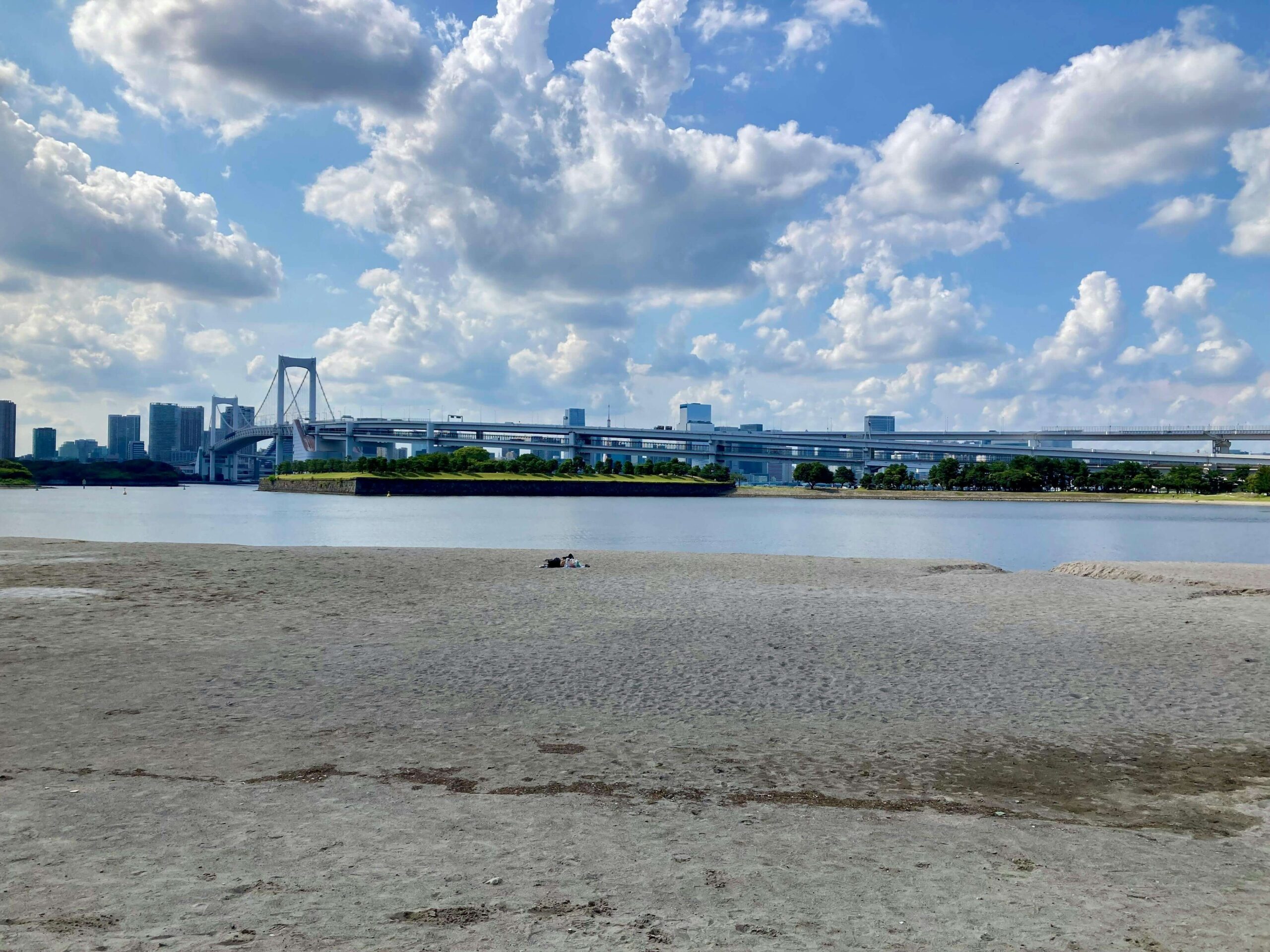
Artificial islands highlight the delicate balance between a state’s rights and its responsibilities under international law.
States have the right to:
- Utilize marine resources
- Construct installations within their EEZ
But they also have the responsibility to:
- Respect international boundaries
- Protect the environment
- Avoid escalating conflicts
Maintaining this balance is essential for peaceful coexistence in shared maritime spaces.
Conclusion
Artificial islands are a testament to human ingenuity and technological progress. They offer opportunities for economic growth, strategic advantage, and innovation. However, they also challenge traditional concepts of territory and sovereignty in international law.
Under frameworks like UNCLOS, artificial islands are clearly distinguished from natural land—they do not create new territorial rights or maritime zones. Yet, their growing presence in disputed regions underscores the gap between legal theory and political reality.
As the world navigates this complex issue, the importance of clear legal standards, environmental responsibility, and international cooperation cannot be overstated. Artificial islands may reshape the seas, but it is international law that must ensure they do not destabilize the global order.