
Pseudo Empowerment with ChatGPT: In the digital age, empowerment has taken on a new meaning. Access to information, tools, and platforms has made individuals feel more capable than ever before. Among the technologies driving this shift is ChatGPT, an advanced conversational AI that can generate ideas, solve problems, and assist in countless tasks within seconds.
But as this technology becomes more integrated into everyday life, an important question arises: are we truly becoming more empowered, or are we entering a “pseudo-empowered” world—one where the feeling of competence is amplified, but the depth of understanding may not always match?
This article explores how ChatGPT contributes to this phenomenon, examining both its benefits and the subtle risks of over-reliance.
Understanding the Concept of Pseudo-Empowerment
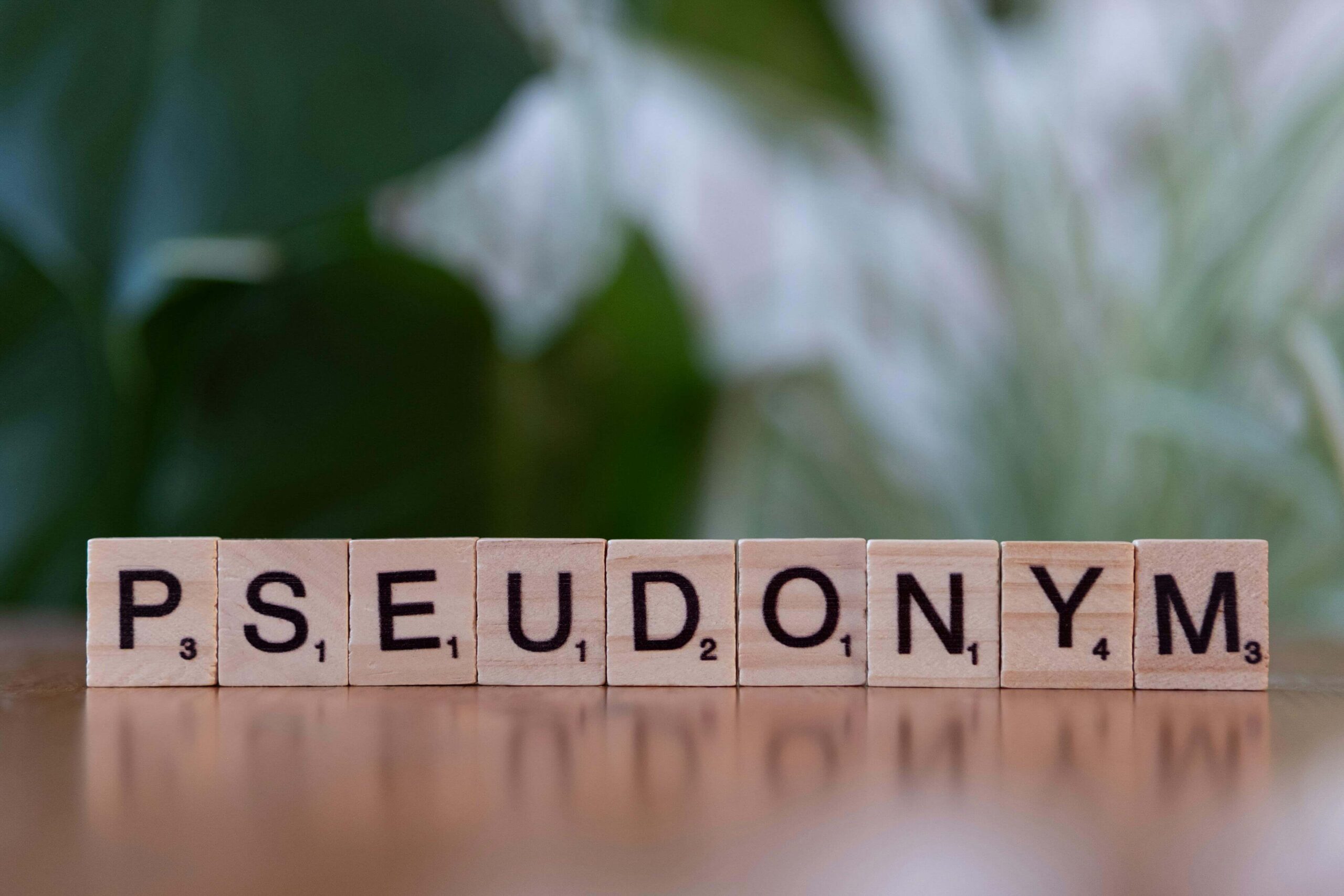
Pseudo-empowerment refers to a state where individuals feel empowered due to access to tools or resources, but their actual capability or understanding remains limited. It is not necessarily negative—it can boost confidence and productivity—but it can also create a false sense of mastery.
With ChatGPT, users can:
- Instantly generate essays or reports
- Get answers to complex questions
- Receive coding assistance
- Create business ideas or strategies
While these capabilities are undeniably powerful, they may sometimes reduce the need for deep thinking or independent problem-solving.
How ChatGPT Creates a Sense of Empowerment
1. Instant Access to Knowledge
ChatGPT provides immediate responses to a wide range of queries. This eliminates the need to search through multiple sources, making users feel more informed and capable.
2. Enhanced Productivity
Tasks that once took hours—writing, brainstorming, or research—can now be completed in minutes. This efficiency creates a strong sense of achievement.
3. Lower Barriers to Entry
People with little prior knowledge can perform complex tasks. For example, someone without programming experience can generate functional code using ChatGPT.
4. Creative Assistance
ChatGPT helps users overcome creative blocks by suggesting ideas, improving writing, and offering new perspectives.
All these factors contribute to a feeling of empowerment that is both real and perceived.
The Illusion Behind the Power
Despite its advantages, ChatGPT can also contribute to pseudo-empowerment in subtle ways.
Superficial Understanding
Users may rely on generated answers without fully understanding the underlying concepts. This can lead to gaps in knowledge.
Over-Reliance
Frequent dependence on AI tools can reduce critical thinking skills. Instead of analyzing problems, users may default to asking ChatGPT.
Confidence Without Competence
The ability to produce high-quality outputs quickly may create confidence that is not backed by genuine expertise.
Lack of Verification
AI-generated content is not always accurate. Without verification, users may unknowingly rely on incorrect information.
Impact on Education
One of the most significant areas affected by this phenomenon is education.
Students can now:
- Generate essays and assignments
- Solve complex problems
- Access explanations instantly
While this can enhance learning, it can also hinder it if used improperly. True education requires effort, curiosity, and critical thinking—qualities that cannot be replaced by automation.
Educators are now faced with the challenge of integrating AI tools in a way that supports learning rather than replacing it.
Workplace Transformation
In the professional world, ChatGPT is transforming how work gets done.
Increased Efficiency
Employees can complete tasks faster, leading to higher productivity.
Skill Augmentation
AI tools can enhance existing skills, allowing workers to perform at a higher level.
Risk of Skill Erosion
However, over-reliance may lead to a decline in core skills such as writing, analysis, and decision-making.
The key lies in using ChatGPT as a support tool rather than a substitute for human expertise.
Social and Psychological Effects
The rise of pseudo-empowerment also has social and psychological implications.
Boost in Confidence
Access to powerful tools can increase self-confidence and motivation.
Reduced Intellectual Curiosity
If answers are always readily available, the desire to explore and learn independently may decrease.
Dependency
Users may become dependent on AI for decision-making, reducing their ability to think independently.
Balancing these effects is essential for maintaining genuine empowerment.
Bridging the Gap Between Real and Pseudo Empowerment
To ensure that ChatGPT leads to real empowerment rather than pseudo-empowerment, users must adopt a mindful approach.
Active Learning
Use ChatGPT as a guide, not a replacement. Try to understand the reasoning behind the answers.
Verification
Cross-check information with reliable sources to ensure accuracy.
Skill Development
Focus on building core skills alongside using AI tools.
Critical Thinking
Question the outputs and engage in deeper analysis.
By combining AI assistance with human effort, true empowerment can be achieved.
The Future of AI-Driven Empowerment

As AI continues to evolve, the line between real and pseudo empowerment may become even more blurred. Future developments may include:
- More personalized AI assistants
- Improved accuracy and reasoning capabilities
- Deeper integration into daily life
The challenge will be to ensure that these advancements enhance human potential rather than diminish it.
Conclusion
The creation of a pseudo-empowered world with ChatGPT is a complex and nuanced phenomenon. On one hand, it provides unprecedented access to knowledge, creativity, and productivity. On the other, it raises concerns about superficial understanding, over-reliance, and the erosion of critical skills.
Ultimately, the impact of ChatGPT depends on how it is used. When approached thoughtfully, it can be a powerful tool for genuine empowerment. But if used passively, it risks creating an illusion of capability without true understanding.
In this evolving digital landscape, the responsibility lies with users to strike the right balance—leveraging the strengths of AI while continuing to grow their own abilities.