

Intelligent Generative Design: Mechanical design has always been at the heart of engineering innovation. From the earliest machines to modern robotics, engineers have relied on creativity, experience, and mathematical principles to build efficient systems. Today, however, a new concept is reshaping this traditional approach—intelligent generative design.
This emerging method uses advanced algorithms and artificial intelligence to automatically create optimized design solutions. Instead of manually sketching and refining ideas, engineers can now input requirements, constraints, and goals into software systems that generate multiple design possibilities within minutes. The result is not just faster design, but smarter, more efficient, and often unexpected solutions.
What is Intelligent Generative Design ?

Intelligent generative design is a design approach where computers use AI and computational algorithms to explore a vast number of possible design configurations. Engineers define parameters such as materials, weight limits, cost constraints, and performance targets. The system then generates and evaluates numerous design alternatives based on these inputs.
Unlike traditional computer-aided design (CAD), where engineers manually create models, generative design acts more like a collaborative partner. It doesn’t just assist—it actively proposes solutions that humans might not have considered.
This approach is powered by technologies such as machine learning, cloud computing, and advanced simulation tools. Together, they allow systems to iterate rapidly and refine designs based on performance feedback.
How It Works
The process of intelligent generative design typically follows a structured workflow:
- Define Objectives and Constraints
Engineers begin by specifying the problem. This includes load conditions, material choices, manufacturing methods, and performance goals. - Algorithmic Exploration
The software uses algorithms to generate thousands—or even millions—of design variations. These designs are evaluated using simulations. - Optimization
Each iteration is refined to meet the desired criteria, such as minimizing weight while maintaining strength. - Selection and Refinement
Engineers review the generated options and select the most suitable design. Further refinements can be made manually if needed.
This iterative process allows for rapid innovation and ensures that the final design is highly optimized.
Advantages of Intelligent Generative Design
One of the most compelling benefits of generative design is its ability to optimize performance. By analyzing countless possibilities, the system can identify solutions that achieve the best balance between strength, weight, and cost.
Another major advantage is time efficiency. Traditional design processes can take weeks or months, but generative design can produce viable options in hours. This significantly reduces development cycles and accelerates product innovation.
Additionally, generative design often leads to material savings. By eliminating unnecessary mass, it creates lightweight structures that are both cost-effective and environmentally friendly.
The approach also encourages innovation beyond human intuition. Many AI-generated designs feature organic, complex shapes that would be difficult for humans to conceptualize on their own.
Applications in Mechanical Engineering
Intelligent generative design is already making a significant impact across various industries.
In the automotive sector, engineers use it to design lightweight components that improve fuel efficiency and reduce emissions. For example, optimized brackets and structural parts can maintain strength while using less material.
In the aerospace industry, weight reduction is critical. Generative design helps create components that meet strict safety standards while minimizing mass, leading to improved performance and lower fuel consumption.
The manufacturing sector benefits from designs that are tailored for advanced production techniques such as 3D printing. Generative design can produce geometries that are perfectly suited for additive manufacturing, reducing waste and enabling complex structures.
Even in consumer product design, companies are leveraging this approach to create ergonomic and visually appealing products that stand out in the market.
Role of Artificial Intelligence
Artificial intelligence plays a central role in making generative design “intelligent.” Machine learning algorithms can analyze past designs, learn from performance data, and continuously improve future outputs.
AI also enables predictive capabilities. For instance, it can anticipate how a design will perform under different conditions, reducing the need for extensive physical testing.
Moreover, AI-driven systems can adapt to changing requirements. If constraints are modified, the system can quickly regenerate new solutions, making the design process highly flexible.
Challenges and Limitations
Despite its advantages, intelligent generative design is not without challenges.
One major concern is the complexity of generated designs. While these designs are highly optimized, they can be difficult to manufacture using traditional methods. This often requires advanced manufacturing technologies, which may not be accessible to all organizations.
Another issue is computational cost. Generating and evaluating thousands of design options requires significant processing power, often relying on cloud-based systems.
There is also a learning curve associated with adopting generative design tools. Engineers must understand how to define constraints effectively and interpret the results generated by the system.
Additionally, trust and validation remain important concerns. Engineers need to ensure that AI-generated designs meet safety and reliability standards before implementation.
Future of Mechanical Design
The future of mechanical design is closely tied to the continued development of intelligent generative design. As AI technologies advance, these systems will become even more capable of handling complex design challenges.
We can expect greater integration with other technologies such as digital twins, Internet of Things (IoT), and real-time data analytics. This will enable continuous optimization of designs throughout their lifecycle.
Furthermore, as manufacturing technologies evolve, especially in additive manufacturing, the gap between design and production will continue to shrink. Designs that were once considered impractical may become standard in the future.
Generative design also has the potential to democratize engineering. With user-friendly tools, even individuals with limited technical expertise could create optimized designs, opening new opportunities for innovation.
Human-AI Collaboration
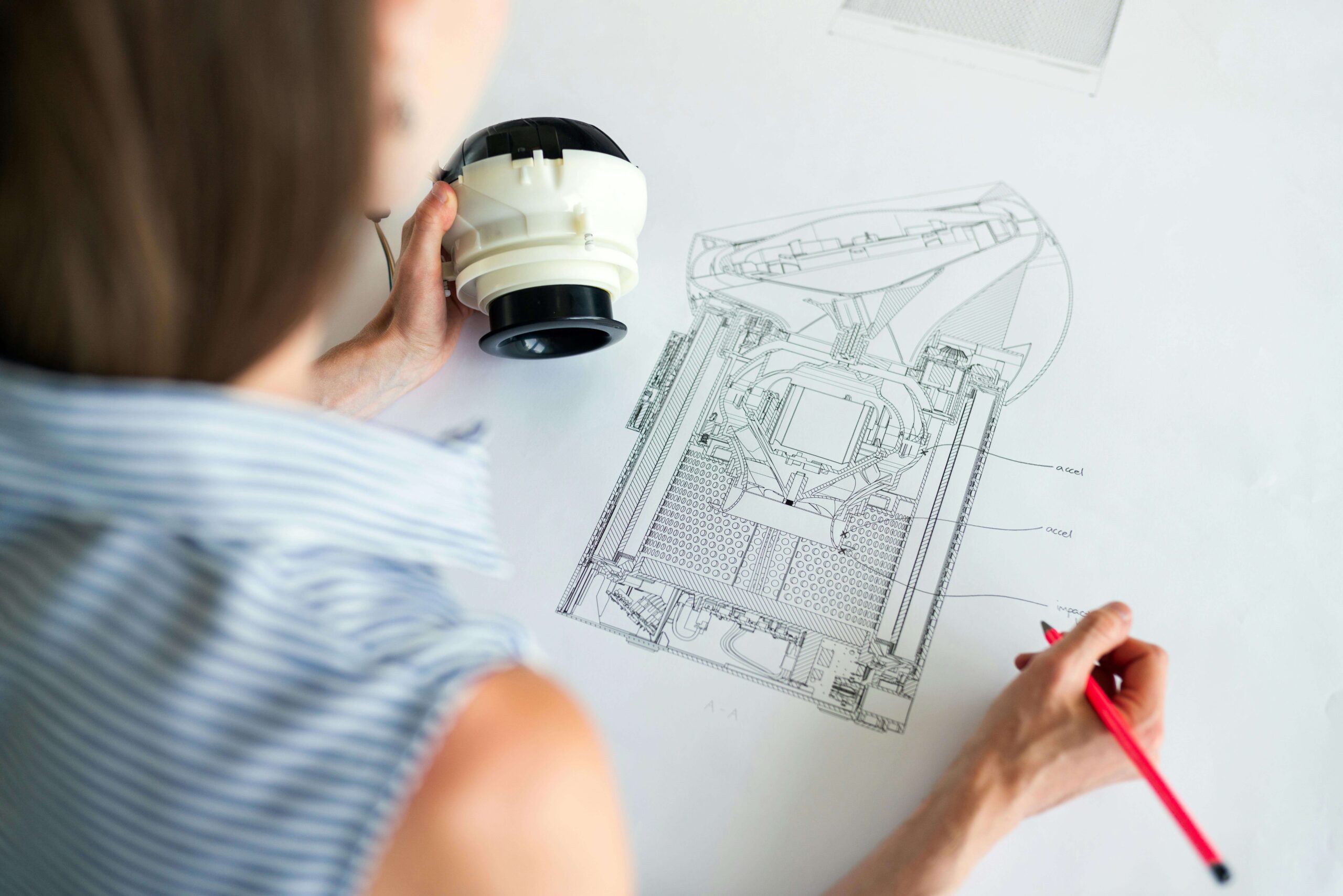
It is important to note that intelligent generative design does not replace engineers—it enhances their capabilities. Human expertise remains essential for defining problems, interpreting results, and making final decisions.
The relationship between humans and AI in this context is collaborative. Engineers provide creativity, judgment, and ethical considerations, while AI contributes speed, precision, and analytical power.
This synergy leads to better outcomes than either could achieve alone.
Conclusion
Intelligent generative design represents a paradigm shift in mechanical engineering. By leveraging artificial intelligence and advanced algorithms, it transforms the way designs are created, optimized, and implemented.
While challenges such as complexity and computational requirements remain, the benefits far outweigh the limitations. From improved efficiency and reduced costs to groundbreaking innovation, generative design is paving the way for a new era in engineering.
As industries continue to adopt this approach, it will become an essential tool for solving complex design problems and driving technological progress. The future of mechanical design is not just about creating solutions—it’s about discovering possibilities that were once beyond imagination.