

Artificial Egg Incubation: Artificial egg incubation has revolutionized the poultry industry and small-scale farming practices across the world. What was once a natural process dependent entirely on brooding hens has now been transformed by technology, allowing farmers and breeders to hatch eggs in controlled environments. This advancement has significantly improved productivity, efficiency, and consistency in egg hatching. However, despite its many benefits, artificial egg incubation also presents a range of challenges that require careful consideration.
This article explores the impact of artificial egg incubation, its advantages, and the key challenges faced by users, especially in developing and resource-limited settings.
Understanding Artificial Egg Incubation

Artificial egg incubation refers to the process of hatching eggs using machines known as incubators. These devices replicate the natural conditions required for embryo development, such as temperature, humidity, and ventilation. Unlike natural incubation, where a hen sits on eggs to provide warmth and protection, artificial systems rely on precise control mechanisms to ensure optimal conditions.
Modern incubators can automatically turn eggs, regulate temperature, and maintain humidity levels, reducing the need for constant human intervention. This technological advancement has made it possible to hatch large numbers of eggs simultaneously, which is particularly beneficial for commercial poultry farming.
Impact of Artificial Egg Incubation
1. Increased Productivity
One of the most significant impacts of artificial incubation is the increase in productivity. Farmers can hatch hundreds or even thousands of eggs at once, compared to the limited number a hen can manage. This scalability has allowed poultry businesses to grow rapidly and meet rising market demands for eggs and meat.
Additionally, artificial incubation reduces dependency on brooding hens, enabling farmers to use hens primarily for egg production rather than incubation.
2. Improved Hatch Rates
Artificial incubators provide a controlled environment that minimizes risks associated with natural incubation, such as temperature fluctuations or predator threats. When properly managed, these systems can achieve higher hatch rates compared to traditional methods.
Consistency in environmental conditions ensures that embryos develop properly, leading to healthier chicks and reduced mortality rates.
3. Year-Round Production
Natural incubation is often influenced by seasonal changes and the availability of broody hens. In contrast, artificial incubation allows for year-round hatching, independent of environmental conditions.
This continuous production cycle is especially valuable for commercial operations, as it ensures a steady supply of chicks and supports long-term business planning.
4. Genetic Improvement Opportunities
Artificial incubation enables selective breeding programs by allowing farmers to control which eggs are incubated. This helps improve desirable traits such as growth rate, disease resistance, and egg production.
Over time, this contributes to the development of stronger and more productive poultry breeds.
5. Economic Benefits
For many farmers, artificial incubation has become a source of income. It reduces labor costs associated with managing brooding hens and increases overall efficiency. Small-scale farmers can also benefit by selling chicks to local markets, creating additional revenue streams.
In developing countries, this technology has supported rural livelihoods and contributed to food security.
Challenges Faced in Artificial Egg Incubation
Despite its advantages, artificial egg incubation is not without challenges. These issues can affect both small-scale farmers and large commercial operations.
1. High Initial Investment
One of the primary barriers to adopting artificial incubation is the cost of equipment. High-quality incubators, especially those with automated features, can be expensive.
For small farmers or those in low-income regions, this initial investment can be difficult to afford. Even basic incubators require additional expenses for setup and maintenance.
2. Dependence on Electricity
Artificial incubators rely heavily on a stable power supply. Any interruption in electricity can disrupt the incubation process, potentially leading to embryo death.
In areas with unreliable power infrastructure, this poses a significant risk. Farmers often need backup power solutions such as generators or batteries, which add to the overall cost.
3. Technical Knowledge Requirements
Operating an incubator requires a certain level of technical understanding. Users must monitor temperature, humidity, and ventilation carefully to ensure successful hatching.
Improper handling or lack of knowledge can lead to poor hatch rates or complete failure. Training and education are therefore essential for effective use.
4. Maintenance and Equipment Failure
Like any machine, incubators require regular maintenance. Malfunctions in temperature control, humidity systems, or egg-turning mechanisms can negatively impact the incubation process.
Repairing or replacing faulty components can be costly and time-consuming, especially in regions where technical support is limited.
5. Risk of Disease Spread
Artificial incubation environments can become breeding grounds for bacteria and pathogens if not properly sanitized. Contaminated equipment can spread diseases among eggs, leading to reduced hatchability and unhealthy chicks.
Maintaining strict hygiene standards is crucial to prevent such risks.
6. Environmental Sensitivity
Even though incubators are designed to control internal conditions, external environmental factors can still have an impact. Extreme temperatures, humidity changes, or poor ventilation in the surrounding area can affect the machine’s performance.
Farmers must ensure that incubators are placed in suitable environments to maintain stability.
7. Limited Accessibility in Rural Areas
In many rural or remote regions, access to advanced incubation technology is limited. Lack of availability, high costs, and insufficient infrastructure make it difficult for farmers to adopt these systems.
This creates a gap between large commercial producers and small-scale farmers, potentially increasing inequality in the poultry sector.
Strategies to Overcome Challenges
To maximize the benefits of artificial egg incubation, several strategies can be implemented:
- Training and Education: Providing farmers with proper training on incubator use can significantly improve outcomes. Workshops, online resources, and agricultural extension services can play a key role.
- Affordable Technology: Developing low-cost incubators tailored for small-scale farmers can increase accessibility. Simple, locally made designs can be effective alternatives.
- Backup Power Solutions: Investing in solar-powered incubators or battery backups can reduce dependence on unreliable electricity.
- Regular Maintenance: Establishing routine maintenance schedules ensures that equipment functions efficiently and reduces the risk of failure.
- Hygiene Practices: Strict cleaning and disinfection protocols can prevent disease spread and improve hatch rates.
The Future of Artificial Egg Incubation
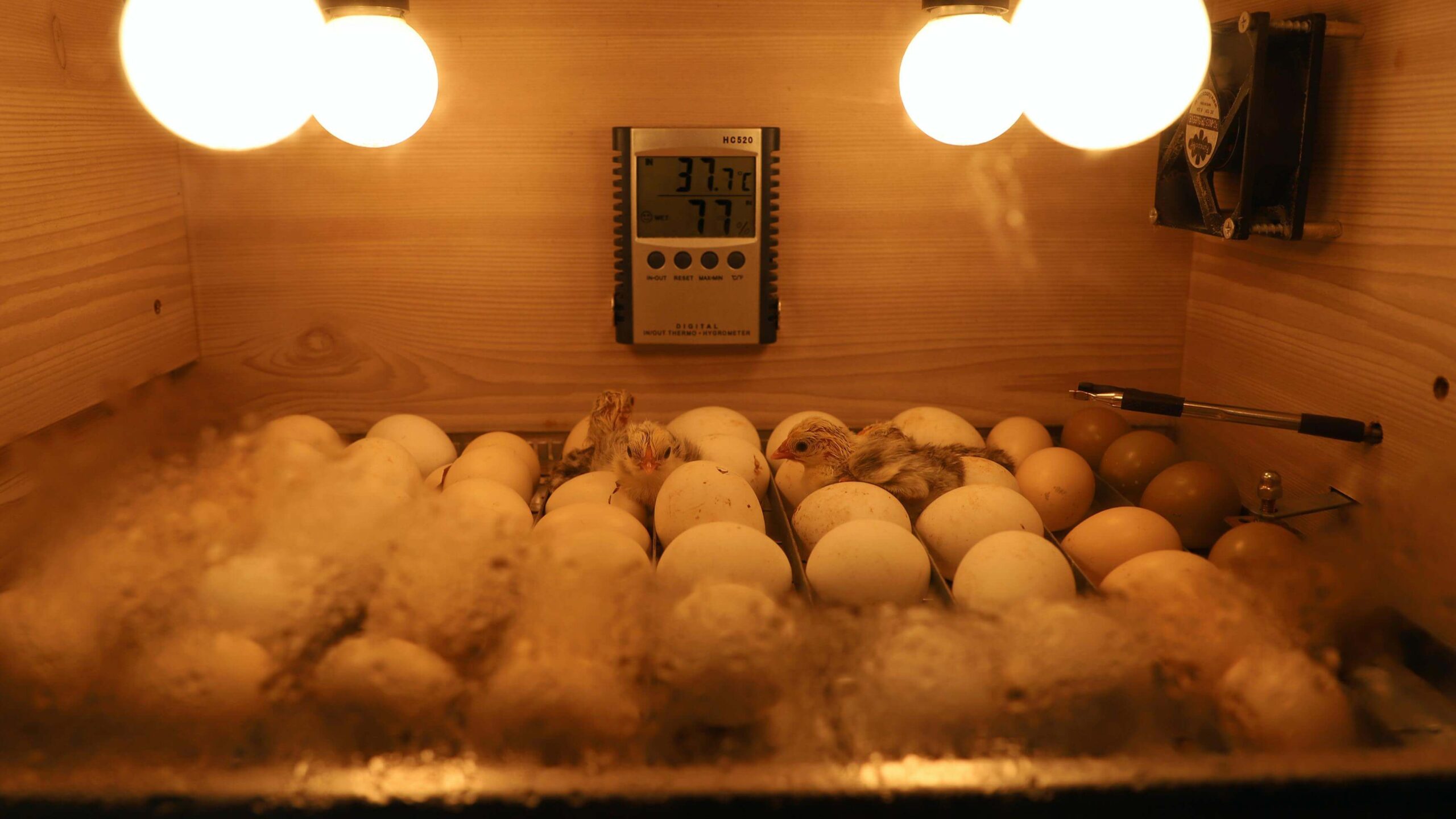
The future of artificial egg incubation looks promising, with ongoing advancements in technology. Smart incubators equipped with sensors, automation, and remote monitoring capabilities are becoming increasingly popular.
These innovations allow farmers to track conditions in real time and make adjustments using mobile devices. Integration with artificial intelligence could further optimize incubation processes, improving efficiency and reducing human error.
In addition, sustainable solutions such as solar-powered incubators are gaining attention, particularly in regions with limited electricity access. These developments have the potential to make artificial incubation more accessible, affordable, and environmentally friendly.
Conclusion
Artificial egg incubation has transformed poultry farming by increasing productivity, improving hatch rates, and enabling year-round production. It has created economic opportunities and contributed to food security in many parts of the world.
However, the challenges associated with cost, technical knowledge, electricity dependence, and maintenance cannot be overlooked. Addressing these issues is essential to ensure that the benefits of this technology are accessible to all, especially small-scale farmers.
With the right support, innovation, and investment, artificial egg incubation can continue to play a vital role in the future of agriculture, helping farmers meet growing demands while improving efficiency and sustainability.