

Energy Generation and Stock Market Development: Energy is the backbone of any modern economy. From powering industries to supporting households and digital infrastructure, a nation’s ability to generate and distribute energy efficiently plays a crucial role in its overall development. At the same time, stock markets serve as a barometer of economic health, reflecting investor confidence, business performance, and growth potential.
The relationship between national energy generation capacity and stock market development is deeper than it may initially appear. Reliable energy supply fuels industrial growth, enhances productivity, and creates a stable environment for businesses—all of which directly impact stock market performance. Conversely, a well-developed stock market can provide the capital needed to expand energy infrastructure.
This interconnected relationship forms a cycle of growth, making it essential for policymakers, investors, and businesses to understand how energy and financial markets influence each other.
Understanding Energy Generation Capacity

Energy generation capacity refers to the maximum amount of electricity a country can produce from its energy resources. These resources include:
- Fossil fuels (coal, oil, natural gas)
- Renewable sources (solar, wind, hydro)
- Nuclear energy
Organizations like the International Energy Agency and the World Bank emphasize that energy availability is a key driver of economic stability and growth.
A country with strong energy generation capacity can:
- Support industrial expansion
- Ensure uninterrupted business operations
- Attract foreign investment
- Promote technological advancement
In contrast, energy shortages can lead to production disruptions, increased costs, and reduced economic output.
Stock Market Development: An Overview
Stock market development refers to the growth, efficiency, and maturity of a country’s financial markets. A well-developed stock market is characterized by:
- High liquidity
- Strong regulatory frameworks
- Diverse investment opportunities
- Transparency and investor protection
Stock markets enable companies to raise capital for expansion and innovation. They also allow investors to participate in economic growth by investing in businesses.
The performance of stock markets is influenced by various factors, including economic policies, political stability, and infrastructure development—particularly energy infrastructure.
The Link Between Energy and Stock Markets
1. Energy as a Driver of Economic Growth
Energy availability directly impacts industrial productivity. Manufacturing, transportation, and services all depend on a stable energy supply. When energy generation capacity increases, businesses can operate more efficiently, leading to higher revenues and profitability.
This growth is reflected in stock market performance, as companies report better earnings and attract more investors.
2. Investor Confidence and Stability
Reliable energy infrastructure signals economic stability. Investors are more likely to invest in countries where businesses can operate without disruptions caused by power shortages.
For example, frequent blackouts or energy crises can lead to:
- Declining business performance
- Increased operational costs
- Reduced investor confidence
As a result, stock markets may experience volatility and lower valuations.
3. Energy Sector as a Market Driver
The energy sector itself plays a significant role in stock markets. Companies involved in energy production, distribution, and technology often represent a substantial portion of market capitalization.
Energy companies influence stock indices, and their performance can impact overall market trends. For instance:
- Rising energy production can boost energy company stocks
- Energy shortages can negatively affect their valuations
4. Capital Formation for Energy Projects
Stock markets provide a platform for raising capital to finance large-scale energy projects. Infrastructure such as power plants, transmission networks, and renewable energy installations require significant investment.
Through initial public offerings (IPOs) and equity financing, companies can secure the funds needed to expand energy capacity. This creates a positive feedback loop:
Stronger stock markets → More investment in energy → Improved energy capacity → Economic growth → Stronger stock markets
Role of Renewable Energy
The transition to renewable energy is reshaping the relationship between energy generation and stock markets. Governments and organizations worldwide are investing heavily in clean energy to address climate change and ensure sustainability.
Renewable energy projects offer new investment opportunities in stock markets, including:
- Solar energy companies
- Wind power firms
- Green technology startups
These sectors are attracting significant investor interest due to their long-term growth potential and alignment with global sustainability goals.
Case Study: Emerging Economies
In emerging economies, the relationship between energy generation and stock market development is particularly evident. Countries with limited energy infrastructure often struggle to develop robust financial markets.
For example:
- Insufficient energy supply can hinder industrial growth
- Limited industrial activity reduces the number of publicly listed companies
- Lower market participation leads to reduced liquidity
On the other hand, investments in energy infrastructure can stimulate economic activity, leading to:
- Increased business formation
- Higher stock market participation
- Greater foreign investment
Challenges in Energy and Market Integration
Despite the strong link between energy and stock markets, several challenges exist:
1. Energy Supply Volatility
Fluctuations in energy supply, especially in countries dependent on fossil fuels, can create uncertainty in financial markets.
2. High Infrastructure Costs
Building and maintaining energy infrastructure requires significant capital, which may strain public finances.
3. Regulatory Barriers
Inefficient policies and regulatory frameworks can hinder both energy development and stock market growth.
4. Environmental Concerns
Balancing energy needs with environmental sustainability is a major challenge for governments and businesses.
Technological Advancements and Innovation
Technological innovation is playing a key role in strengthening the relationship between energy and financial markets. Smart grids, energy storage systems, and AI-driven energy management are improving efficiency and reliability.
These advancements:
- Reduce energy costs
- Enhance system resilience
- Create new investment opportunities
As a result, technology-driven energy companies are becoming increasingly attractive to investors, further boosting stock market development.
Policy Implications
Governments play a crucial role in aligning energy policies with financial market development. Effective policies should focus on:
- Expanding energy generation capacity
- Promoting renewable energy
- Strengthening regulatory frameworks
- Encouraging private sector participation
Collaboration between public and private sectors is essential to achieve sustainable growth.
Future Outlook
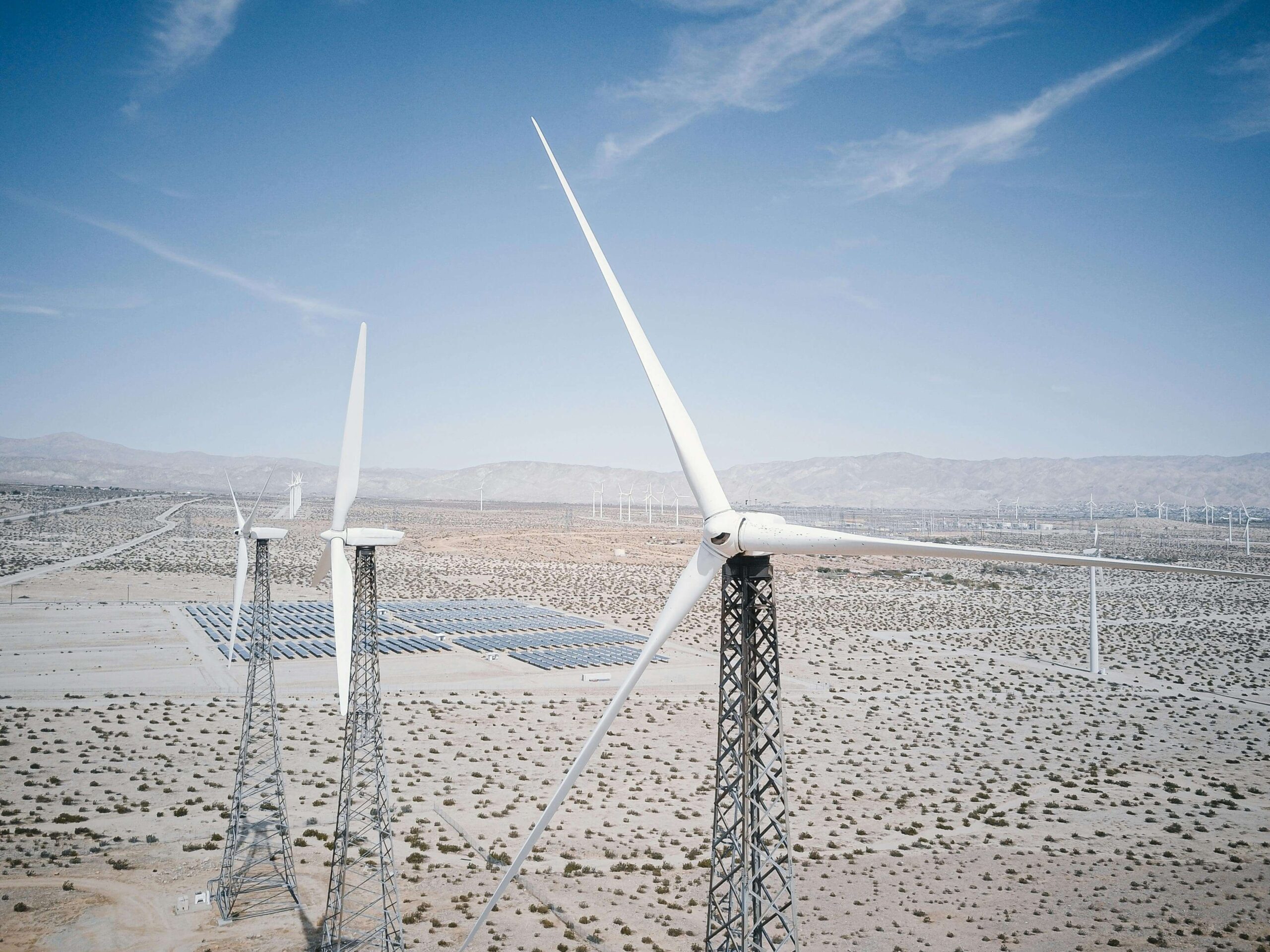
The future of national energy generation and stock market development is closely tied to global trends such as digitalization, sustainability, and economic integration.
Key Trends:
- Decarbonization: Transition to low-carbon energy sources
- Digital Energy Systems: Integration of AI and IoT in energy management
- Global Investment Flows: Increased cross-border investments in energy projects
- Green Finance: Growth of sustainable investment funds
These trends are expected to strengthen the link between energy infrastructure and financial markets, creating new opportunities for growth.
Conclusion
The relationship between national energy generation capacity and stock market development is both dynamic and mutually reinforcing. Energy serves as the foundation of economic activity, while stock markets provide the financial resources needed to expand energy infrastructure.
A country that invests in reliable and sustainable energy systems is more likely to experience economic growth, attract investors, and develop a मजबूत financial market. At the same time, a strong stock market can accelerate energy development by providing access to capital.
In an increasingly interconnected world, the synergy between energy and financial markets will continue to shape economic progress. Policymakers, businesses, and investors must recognize this relationship and work collaboratively to build resilient, sustainable, and prosperous economies.