

Artificial intelligence has changed the way people create digital content. Among its most exciting applications, Artificial intelligence has changed the way people create digital content. Among its most exciting applications, AI in Image and Video technology is transforming how businesses, creators, and designers produce visual content.
Previously, creating professional images and videos required expensive software, technical expertise, cameras, editing skills, and large production teams. Today, advanced AI systems can generate realistic images, cinematic videos, animations, and creative designs within seconds using simple text instructions.
AI-powered visual tools are helping industries improve productivity, reduce production costs, and unlock new creative possibilities. From AI-generated marketing campaigns to virtual environments in entertainment, artificial intelligence is becoming a powerful partner in modern content creation.
Understanding AI in Image and Video Generation
At its core, AI-powered visual generation uses advanced machine learning models to transform simple text prompts into high-quality images and dynamic videos. By training on massive datasets of visual media, these systems learn to interpret complex patterns in light, texture, motion, and composition. Instead of spending hours manually rendering designs or shooting footage, creators can now bring concepts to life in seconds—bridging the gap between human imagination and digital execution.Understanding AI in Image and Video Generation Technology
How AI Image and Video Generation Works
AI image and video generation uses advanced machine learning models trained on millions of visual examples. These models analyze patterns such as:
- Colo
- Shae
- Lighting
- Motion
- Composition
- Human expressions
Using technologies like deep learning and generative AI, systems can create new visuals based on user instructions.
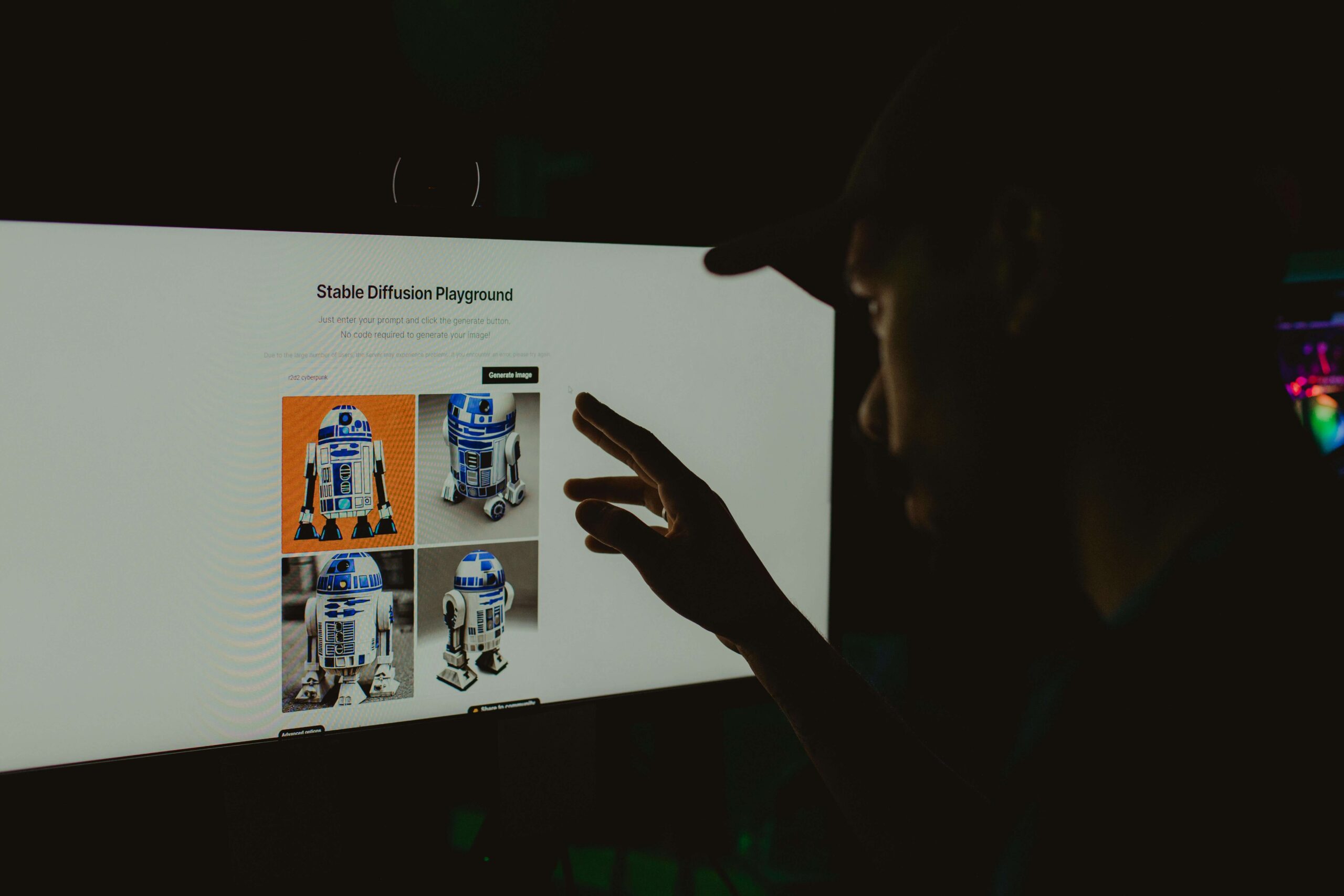
For example, a user can enter a prompt such as:
“A futuristic city skyline during sunset with flying vehicles”
An AI image generator can create a detailed visual within seconds.
Similarly, AI video generators can transform text descriptions into short cinematic clips.
The Evolution of AI Visual Creation Tools
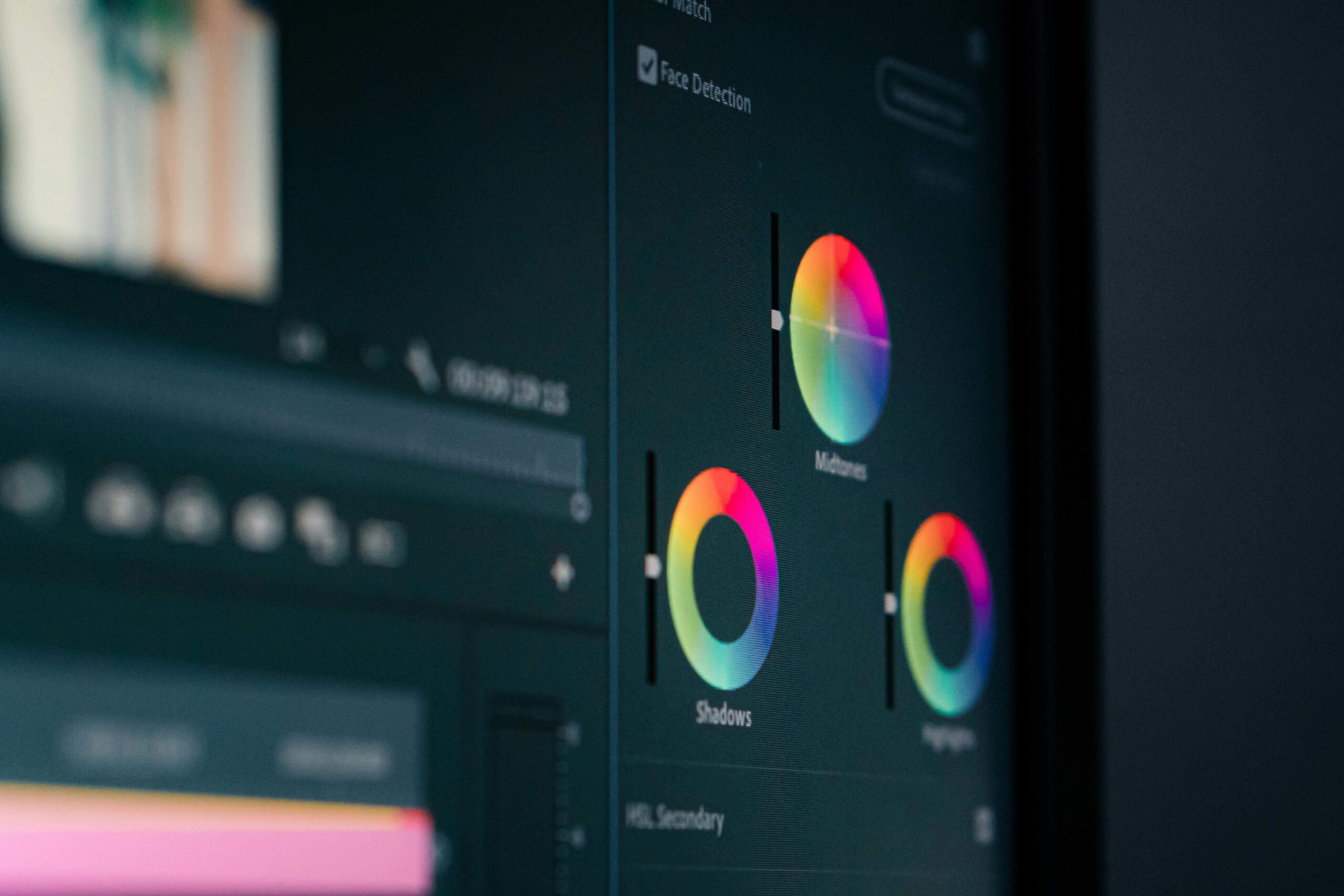
Traditional graphic design required manual editing, photography, and video production skills. AI tools have changed this process by allowing users to create content faster.
Modern AI platforms can:
- Generate images from text prompts
- Animate static pictures
- Enhance video quality
- Create realistic characters
- Produce AI-generated voiceovers
This evolution has made professional-level content creation accessible to individuals and businesses.
Difference Between Traditional Editing and AI Generation
raditional editing focuses on modifying existing content, while AI generation creates entirely new visuals.
Traditional tools require users to manually:
- Design layouts
- Adjust colors
- Edit frames
- Add effects
AI-powered platforms automate many creative processes, allowing users to focus more on ideas, storytelling, and strategy.
How AI Image Generators Are Changing Digital Creativity
Digital creativity is undergoing a dramatic shift. With the rise of AI image generators, turning a simple concept into a striking visual no longer requires technical design skills or hours of manual editing. By transforming simple text descriptions into detailed artwork, graphics, and photorealistic imagery in seconds, these tools are fundamentally changing how artists, marketers, and everyday creators bring their ideas to life.
Creating Professional Images Without Design Skills
AI image generators allow beginners, entrepreneurs, and creators to produce high-quality visuals without advanced design experience.
Users can create:
- Digital artwork
- Product images
- Social media graphics
- Marketing visuals
- Concept designs
This accessibility has expanded creative opportunities for millions of people.
AI Images for Marketing and Business Growth
The growth of AI in Image and Video technology has made professional visual creation more accessible. AI image generators allow users to create realistic artwork, product visuals, and marketing assets without advanced design skills.
Companies can create:
- Advertisement graphics
- Website visuals
- Product mockups
- Personalized customer experiences
For example, ecommerce brands can generate product images in different environments without arranging expensive photoshoots.
AI reduces production time while allowing marketers to test more creative ideas.
AI Tools Supporting Designers and Artists
AI does not replace creativity; it enhances the creative workflow.
Professional designers use AI tools to:
- Generate initial concepts
- Explore multiple styles
- Create inspiration boards
- Improve productivity
Human creativity combined with AI efficiency allows designers to produce better results faster.
AI Video Generation and Its Real-World Applications
AI video generation utilizes deep learning algorithms and spatial-temporal models to synthesize moving images from text prompts, static visuals, or existing footage. By understanding motion, lighting, and composition, these tools can automatically render realistic animations and synthetic video sequences. Businesses can save substantial time by incorporating AI in image and video asset creation.
How AI Video Generators Create Content
AI video generators use machine learning models to transform text, images, or existing videos into new visual experiences.
These tools can create:
- Short promotional videos
- Animated characters
- Educational content
- Cinematic scenes
- Social media videos
Text-to-video technology is becoming one of the fastest-growing areas in generative AI.
Industries Using AI Video Technology
AI-generated videos are being adopted across multiple industries.
Entertainment
Filmmakers use AI for:
- Visual effects
- Background creation
- Character animation
- Scene generation
- Education
Teachers and platforms use AI videos to create engaging learning materials.
Marketing
Brands create personalized advertisements and social media campaigns using AI video tools.
AI Video Editing and Content Automation
Modern AI video platforms simplify editing tasks that traditionally require professional software.
AI can automatically:
- Remove backgrounds
- Improve video quality
- Generate subtitles
- Add voice narration
- Create video summaries
This allows creators to produce more content in less time.
Benefits, Challenges, and Ethical Concerns of AI Visual Content
As AI visual tools become deeply integrated into modern workflows, they bring a mixture of groundbreaking advantages alongside notable technical and moral challenges. While automated generation drastically reduces production time and costs, it raises urgent concerns regarding deepfakes, intellectual property rights, and job displacement. Examining these benefits, challenges, and ethical implications provides a clearer picture of how society must adapt to responsible AI deployment.
Advantages of AI Image and Video Creation
AI visual generation provides several benefits:
Faster Production
AI reduces the time required to create images and videos.
Lower Costs
Businesses can produce professional visuals without large production budgets.
Increased Creativity
Creators can experiment with unlimited concepts and styles.
Deepfakes, Copyright, and Digital Trust Issues
Despite its advantages, AI-generated content creates important challenges.
Major concerns include:
- Deepfake videos
- Fake information
- Copyright disputes
- Unauthorized use of artwork
As AI visuals become more realistic, maintaining transparency and ethical standards becomes increasingly important.
Will AI Replace Human Creators?
AI is unlikely to completely replace designers, artists, and filmmakers.
Instead, AI is changing creative roles by helping professionals:
- Generate ideas faster
- Automate repetitive tasks
- Improve productivity
Human creativity remains essential because AI lacks emotional understanding, personal experiences, and cultural awareness.
The Future of AI in Image and Video Creation
While today’s AI tools can already turn simple text prompts into breathtaking artwork and video clips, we are only seeing the beginning of what machine intelligence can achieve in visual art. The future of AI in image and video creation promises real-time visual editing and interactive media.
Emerging Trends in AI Visual Technology
The future of AI-generated content will include:
- Real-time AI video generation
- 3D AI environments
- Interactive storytelling
- AI-powered virtual influencers
- Personalized digital experiences
These innovations will continue changing how people communicate visually.
Human Creativity and AI Collaboration
The strongest results come from combining human imagination with artificial intelligence.
Creators will increasingly use AI as a creative partner rather than a replacement.
Future workflows may involve:
Human idea → AI generation → Human refinement → Final creative product
How Businesses Can Prepare for AI-Powered Creativity
Companies should start adopting AI responsibly by:
- Training creative teams
- Testing AI workflows
- Developing ethical guidelines
- Protecting brand authenticity
Businesses that integrate AI effectively will gain a competitive advantage in digital marketing and content creation.
Conclusion
AI in image and video generation is transforming the future of digital creativity. What once required expensive equipment, advanced technical skills, and large creative teams can now be achieved with powerful AI tools available to individuals and businesses.
From AI-generated images and automated video production to marketing campaigns and educational content, artificial intelligence is creating new opportunities across industries.
However, responsible adoption remains essential. Issues related to copyright, misinformation, and authenticity must be addressed as AI-generated visuals become more realistic.
The future of creativity will not be defined by humans versus machines. Instead, it will be shaped by collaboration between human imagination and artificial intelligence. By using AI as a creative partner, businesses and creators can produce more engaging, innovative, and impactful visual experiences.