

Clinical Artificial Reasoning in Oncology: Cancer remains one of the most complex and challenging diseases in modern medicine. Despite decades of research, its diagnosis and treatment often require careful interpretation of vast and intricate data. Today, a new technological force is reshaping oncology—clinical artificial reasoning.
Unlike traditional artificial intelligence systems that rely heavily on pattern recognition, clinical artificial reasoning goes a step further. It mimics human-like decision-making, combining logic, context, and medical knowledge to assist clinicians in making more accurate and personalized decisions. This marks the beginning of a transformative era in cancer care.
Understanding Clinical Artificial Reasoning
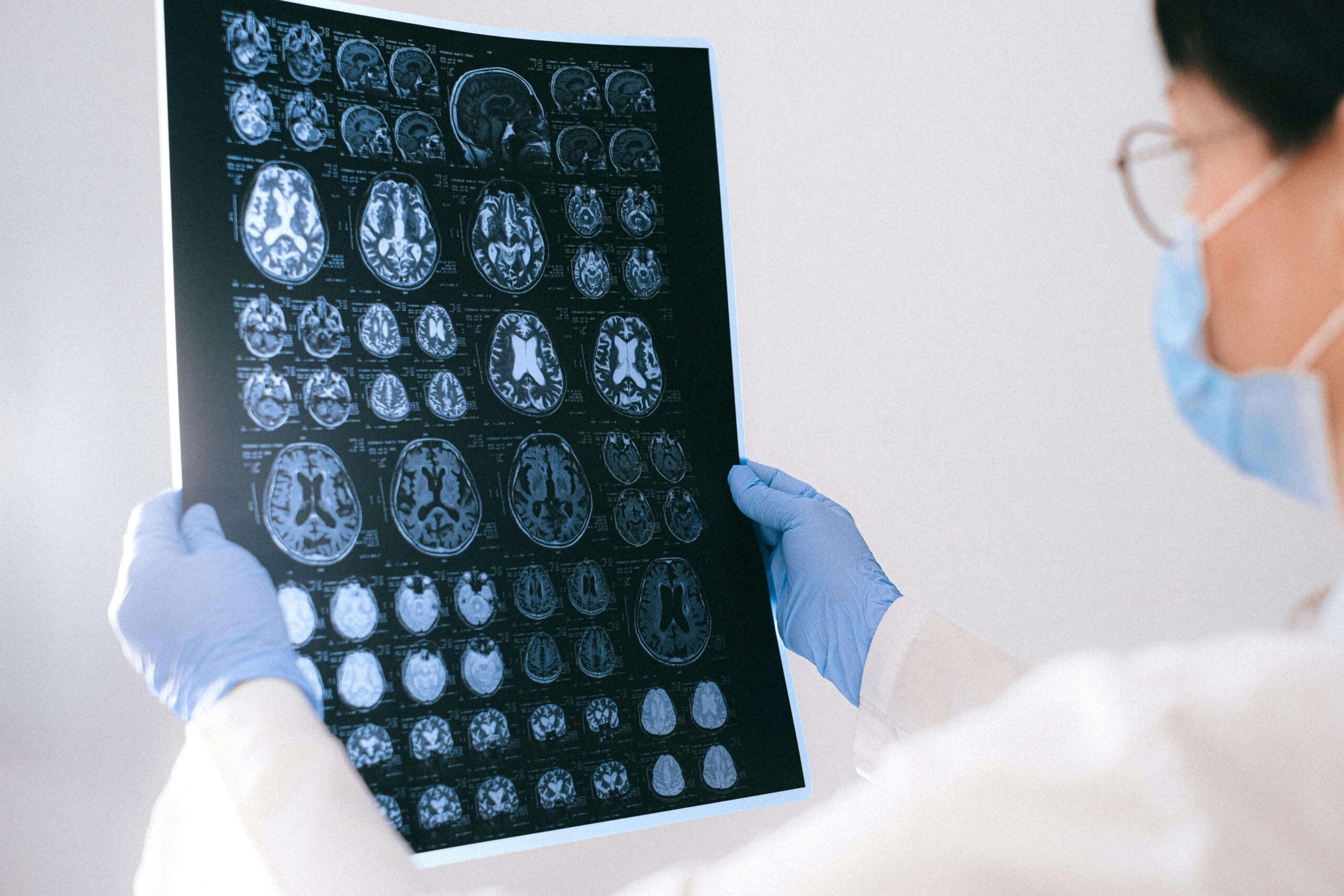
Clinical artificial reasoning refers to advanced AI systems designed to replicate the reasoning processes of healthcare professionals. Instead of merely identifying patterns, these systems analyze relationships, weigh evidence, and generate conclusions in a way that resembles clinical thinking.
In oncology, this means:
- Interpreting patient history alongside clinical data
- Evaluating multiple treatment pathways
- Understanding uncertainties in diagnosis
- Providing explainable recommendations
This approach bridges the gap between raw data analysis and meaningful clinical insights.
The Complexity of Oncology Data
Oncology generates a massive amount of data from various sources, including:
- Medical imaging (CT scans, MRIs, PET scans)
- Genomic sequencing
- Pathology reports
- Electronic health records
- Clinical trial data
Each patient’s cancer is unique, influenced by genetic, environmental, and lifestyle factors. Traditional methods struggle to integrate all this information effectively.
Clinical artificial reasoning systems are designed to handle this complexity. They can synthesize data from multiple sources and provide a unified perspective, helping clinicians make informed decisions.
Enhancing Diagnosis and Early Detection
Early detection is crucial in improving cancer survival rates. Clinical artificial reasoning systems can analyze subtle patterns across datasets to identify early signs of disease.
For example:
- Detecting abnormalities in imaging data that may be overlooked
- Correlating symptoms with rare cancer types
- Identifying risk factors based on patient history
These systems act as a second set of eyes, reducing the chances of misdiagnosis and ensuring timely intervention.
Personalized Treatment Planning
One of the most promising applications of clinical artificial reasoning in oncology is personalized treatment planning.
Cancer treatment is no longer a one-size-fits-all approach. Patients respond differently to therapies based on their genetic makeup and disease characteristics. Clinical reasoning systems can:
- Recommend targeted therapies
- Suggest optimal drug combinations
- Predict treatment outcomes
- Adjust plans based on patient response
This leads to more effective treatments with fewer side effects, improving overall patient quality of life.
Supporting Clinical Decision-Making
Oncologists often face complex decisions involving multiple variables and uncertainties. Clinical artificial reasoning systems provide decision support by:
- Analyzing clinical guidelines
- Comparing similar patient cases
- Highlighting potential risks and benefits
- Offering evidence-based recommendations
Importantly, these systems do not replace doctors. Instead, they enhance human expertise by providing additional insights and reducing cognitive burden.
Accelerating Research and Drug Development
Clinical artificial reasoning is also transforming cancer research. By analyzing large datasets, these systems can:
- Identify new drug targets
- Predict the effectiveness of experimental treatments
- Optimize clinical trial design
- Discover hidden patterns in patient outcomes
This accelerates the development of new therapies and brings innovative treatments to patients faster.
Explainability and Trust
One of the key advantages of clinical artificial reasoning over traditional AI is explainability. In healthcare, decisions must be transparent and understandable.
These systems are designed to:
- Provide clear reasoning behind recommendations
- Highlight supporting evidence
- Allow clinicians to validate results
This transparency builds trust among healthcare professionals and ensures responsible use of technology.
Challenges and Ethical Considerations
Despite its potential, clinical artificial reasoning faces several challenges:
Data Privacy
Patient data is highly sensitive. Ensuring privacy and compliance with regulations is essential.
Bias in Data
If training data is biased, the system may produce unequal or unfair recommendations.
Integration with Healthcare Systems
Implementing these technologies in existing clinical workflows can be complex.
Human Oversight
Maintaining a balance between automation and human judgment is critical.
Addressing these challenges is necessary for the successful adoption of clinical artificial reasoning.
Real-World Impact
Clinical artificial reasoning is already making a difference in oncology:
- Improved diagnostic accuracy
- More personalized treatment strategies
- Reduced healthcare costs
- Enhanced patient outcomes
Hospitals and research institutions are increasingly adopting these systems, signaling a shift toward data-driven cancer care.
The Future of Oncology

The future of oncology will likely be shaped by the continued evolution of clinical artificial reasoning. Emerging trends include:
- Integration with wearable health devices
- Real-time monitoring of patient conditions
- Advanced genomic analysis
- Collaboration between AI systems and multidisciplinary teams
As technology advances, these systems will become more sophisticated, reliable, and accessible.
Conclusion
Clinical artificial reasoning represents a major leap forward in oncology. By combining data analysis with human-like reasoning, it offers a powerful tool for improving cancer diagnosis, treatment, and research.
While challenges remain, the potential benefits are immense. This technology is not just enhancing healthcare—it is redefining it. As we move into this transformative era, the collaboration between clinicians and intelligent systems will play a crucial role in shaping the future of cancer care.