

Authorship in the Digital Age: Creativity has always been considered one of the most uniquely human traits—a spark of originality that defines art, literature, music, and innovation. But in today’s digital world, that idea is being challenged. With the rise of artificial intelligence, collaborative platforms, and algorithm-driven tools, the concept of authorship is no longer as clear-cut as it once was. “Hacking creativity” doesn’t mean destroying it; rather, it reflects how creativity is being reshaped, remixed, and redefined in the digital age.
The Changing Meaning of Authorship
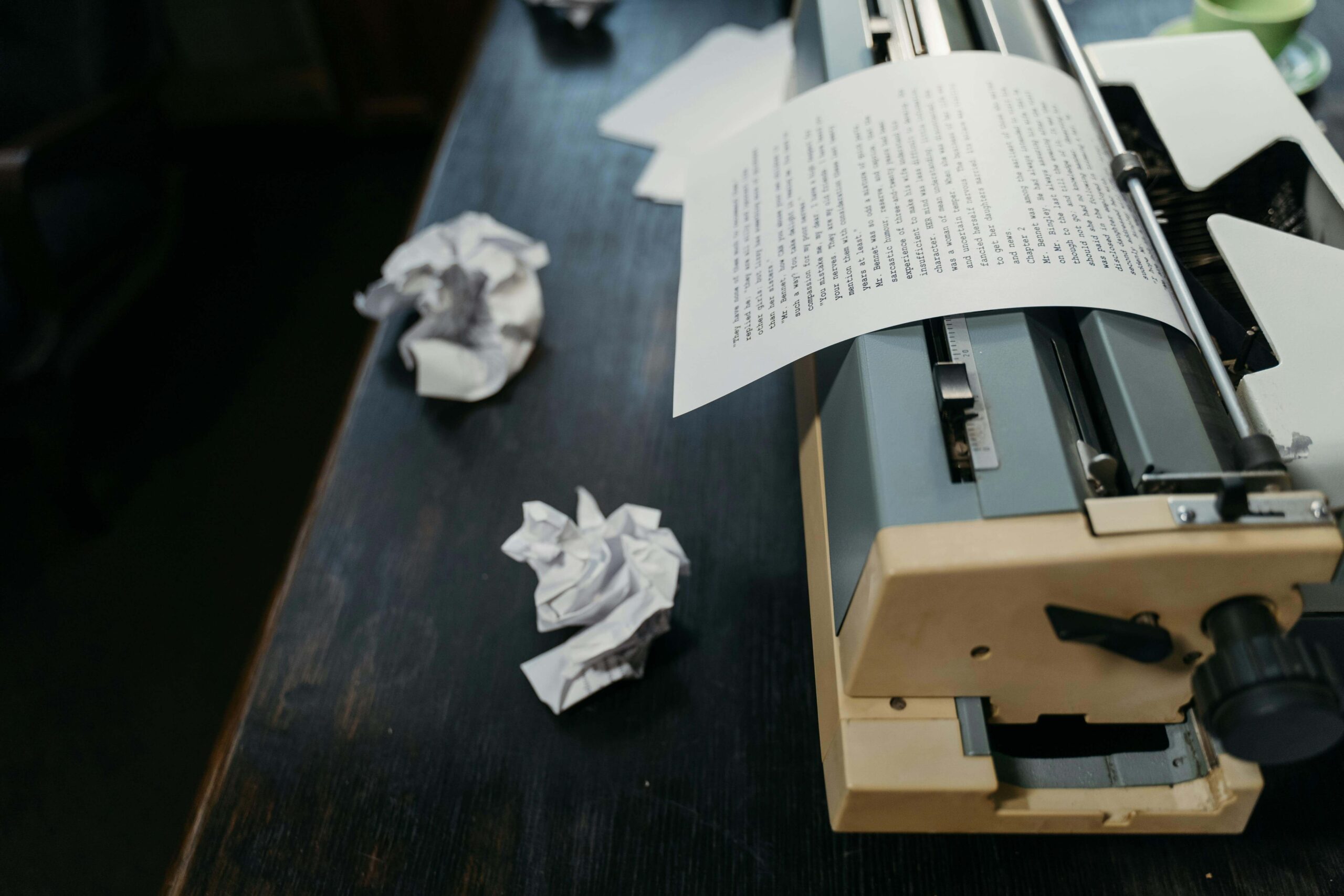
Traditionally, authorship implied ownership and originality. A writer wrote a book, a painter created a canvas, and a musician composed a melody. The creator was the sole originator of their work. However, digital technology has disrupted this notion.
Today, content is often created through collaboration, adaptation, and even automation. A single piece of work might involve multiple contributors, digital tools, and pre-existing content. This shift raises an important question: Who is the true author? Is it the person who initiated the idea, the one who refined it, or the algorithm that helped generate it?
The Role of Artificial Intelligence in Creativity
Artificial intelligence has become a powerful creative partner. From generating written content and composing music to designing visuals, AI tools are now capable of producing outputs that closely resemble human creativity.
These tools don’t “create” in the traditional sense—they analyze vast datasets, identify patterns, and generate new combinations based on what they have learned. Yet, the results can feel original and innovative. This blurs the line between human and machine authorship.
For creators, AI can act as an assistant, enhancing productivity and offering inspiration. However, it also introduces concerns about originality and authenticity. If a piece of content is partially or entirely generated by AI, should it still be attributed to a human author?
Remix Culture and Digital Collaboration
The internet has given rise to a culture of remixing. Memes, mashups, and fan edits are all examples of how existing content is transformed into something new. Platforms like social media encourage users to build upon each other’s ideas, creating a continuous cycle of shared creativity.
In this environment, authorship becomes collective rather than individual. A viral trend might start with one person but evolve through the contributions of thousands. The final product is not owned by a single creator but shaped by a community.
While this democratizes creativity, it also complicates issues of credit and ownership. Original creators may struggle to maintain recognition as their work is adapted and shared widely.
Intellectual Property in the Digital Era
Intellectual property (IP) laws were designed for a time when authorship was more straightforward. In the digital age, these laws are being tested in new ways.
For example, if an AI generates a piece of art, who owns the copyright? The user, the developer of the AI, or no one at all? Different countries are approaching this question differently, and the legal landscape is still evolving.
Similarly, the ease of copying and distributing digital content has made it difficult to protect original work. While technology enables creativity, it also increases the risk of plagiarism and unauthorized use.
The Rise of the “Co-Creator”
One of the most significant shifts in authorship is the emergence of the “co-creator” model. Instead of working alone, creators now collaborate with tools, platforms, and even audiences.
For instance, a writer might use AI to generate ideas, rely on online feedback to refine their work, and publish it on a platform that shapes its reach and impact. In this process, authorship becomes a shared experience.
This doesn’t diminish the role of the creator—it transforms it. The modern author is not just a creator but also a curator, editor, and collaborator.
Authenticity in a Digital World
As creativity becomes more digitized, the question of authenticity becomes increasingly important. Audiences often seek a personal connection with creators, valuing originality and human expression.
However, when content is influenced or generated by algorithms, maintaining authenticity can be challenging. Creators must find ways to balance the use of technology with their unique voice and perspective.
Transparency may play a key role here. Acknowledging the use of digital tools can help build trust with audiences while still embracing innovation.
Opportunities for Emerging Creators
Despite the challenges, the digital age offers unprecedented opportunities for creativity. Tools that were once limited to professionals are now accessible to anyone with an internet connection.
Aspiring writers, artists, and musicians can experiment, सीख, and share their work with a global audience. This democratization of creativity has led to a more diverse and dynamic creative landscape.
Moreover, digital platforms provide new ways to monetize creative work, from content subscriptions to digital marketplaces. While competition is high, so are the possibilities.
Ethical Considerations
The evolution of authorship also brings ethical questions. Should AI-generated content be clearly labeled? How can creators ensure they are not unintentionally plagiarizing existing work? What responsibilities do platforms have in protecting intellectual property?
These questions highlight the need for clear guidelines and ethical standards. As technology continues to evolve, so must our understanding of responsible creativity.
The Future of Authorship
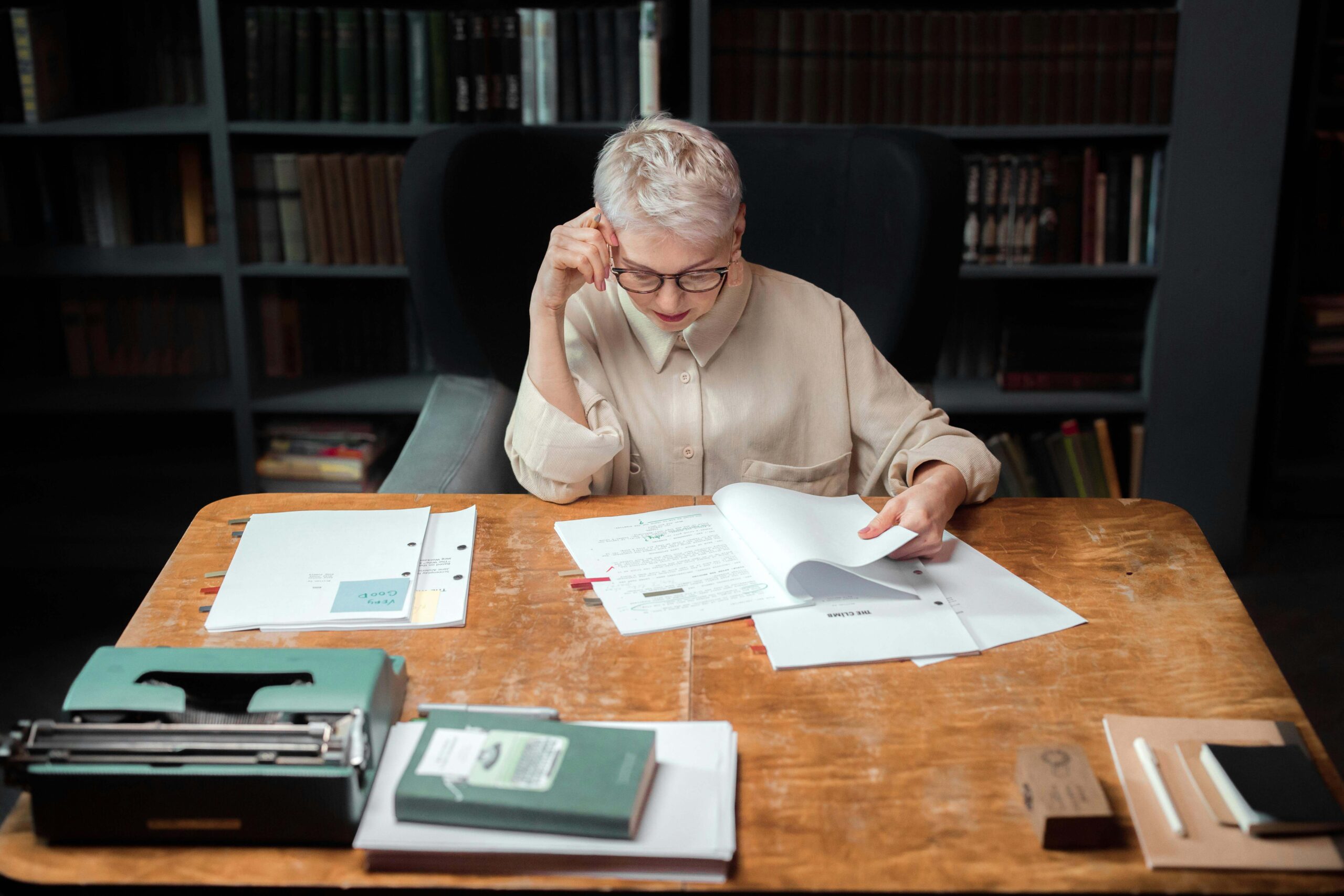
Looking ahead, authorship will likely continue to evolve. The boundaries between human and machine creativity may become even more blurred, and new forms of collaboration will emerge.
Rather than resisting these changes, creators can embrace them. By understanding the tools at their disposal and using them thoughtfully, they can redefine what it means to be an author.
The essence of creativity—imagination, expression, and connection—remains unchanged. What is changing is how these elements are brought to life.
Conclusion
“Hacking creativity” is not about undermining originality but about reimagining it. In the digital age, authorship is no longer a solitary act but a dynamic and collaborative process. While this transformation presents challenges, it also opens the door to new possibilities.
By balancing innovation with authenticity, and technology with human insight, creators can navigate this evolving landscape with confidence. The future of creativity is not less human—it is more interconnected, adaptive, and expansive than ever before.