

Artificial intelligence is changing how vehicles are designed, operated, maintained, and experienced. AI in automobiles combines machine learning, computer vision, sensor fusion, natural language processing, and real-time data analytics to help vehicles understand their surroundings and respond more intelligently.
Today, AI supports features such as automatic emergency braking, adaptive cruise control, intelligent navigation, predictive maintenance, voice assistants, automated parking, and connected vehicle services. However, AI-powered driving does not always mean a car is fully autonomous. Many systems still require the driver to remain attentive and ready to take control.
NHTSA
+1
As electric vehicles, connected cars, and smart transportation systems continue to develop, AI is becoming a central technology for safer, more efficient, and more personalized mobility.
Understanding AI in Automobiles
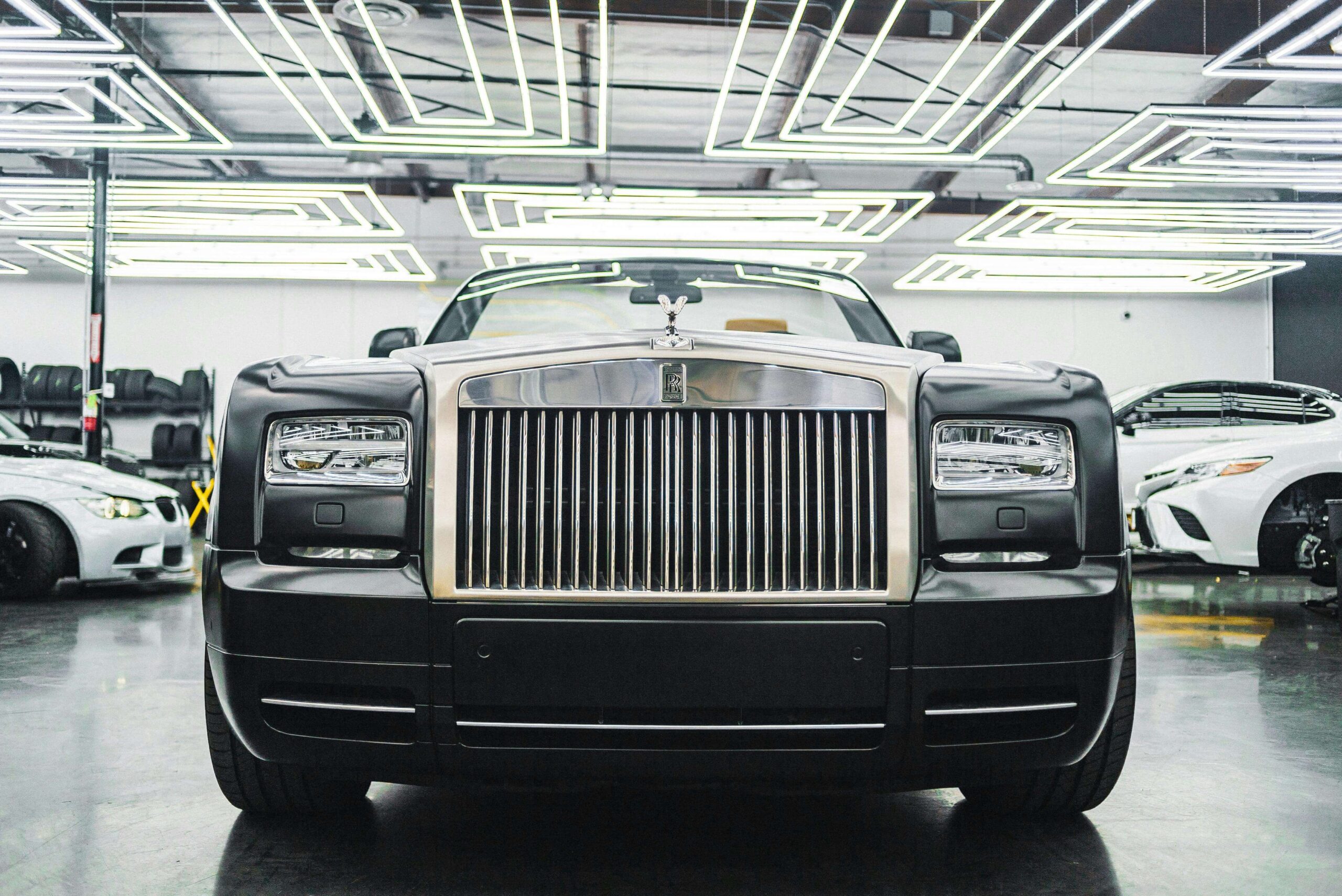
What Is Artificial Intelligence in Cars?
Artificial intelligence in cars refers to software and computing systems that allow vehicles to perform tasks associated with human intelligence. These tasks include recognizing objects, interpreting road signs, understanding voice commands, predicting mechanical problems, and making decisions based on changing conditions.
AI-powered vehicles collect information from cameras, radar, ultrasonic sensors, GPS, microphones, and other connected devices. Machine learning models then process this information to support driving, safety, navigation, and vehicle management.
AI does not operate as one single feature. Instead, it works as a combination of technologies that communicate with the vehicle’s hardware and software systems.
How AI Technology Works in Vehicles
- Most automotive AI systems follow a continuous process:
- Data collection: Sensors and cameras gather information about the vehicle and its surroundings.
- Data processing: AI software analyzes the information in real time.
- Pattern recognition: Machine learning models identify objects, road conditions, driver behavior, or mechanical changes.
- Decision support: The system recommends or performs an appropriate action.
- Continuous improvement: Software updates and new data can improve system performance over time.
For example, an AI system may detect a pedestrian, estimate the distance and movement of that person, calculate the risk of a collision, and activate an alert or emergency braking system.
AI Integration and the Connected Vehicle
AI integration in automobiles connects multiple vehicle systems into one intelligent ecosystem. A modern vehicle may combine navigation data, driver monitoring, battery information, traffic conditions, infotainment preferences, and safety sensors.
This integration enables features such as:
- Real-time traffic prediction
- Intelligent route planning
- Automatic climate and seat adjustments
- Voice-controlled vehicle functions
- Remote vehicle monitoring
- Smart charging recommendations
- Personalized driver alerts
The result is a vehicle that can respond to both external conditions and individual user preferences.
Major Applications of AI in Automobiles
Autonomous Driving and Driver Assistance
Autonomous driving is one of the most visible applications of AI in the automotive industry. AI systems use computer vision, radar, lidar, GPS, and sensor fusion to interpret the driving environment and support vehicle control.
Depending on the system, AI may help with:
- Lane centering
- Adaptive cruise control
- Traffic jam assistance
- Automated parking
- Highway driving support
- Pedestrian detection
- Emergency braking
It is important to distinguish driver assistance from full automation. SAE’s driving automation framework defines six levels, from Level 0 with no driving automation to Level 5 with full driving automation. Current consumer systems may provide advanced assistance, but drivers must follow the vehicle’s instructions and remain responsible for safe operation.
Recommended Practice
+1
Advanced Driver Assistance Systems & Smart Car Technology
Advanced driver assistance systems, commonly called ADAS, use AI and sensors to help reduce driving risks. These systems are designed to support the driver rather than replace the driver in most consumer vehicles.
Common ADAS features include:
- Automatic emergency braking
- Forward collision warnings
- Blind-spot monitoring
- Lane departure warnings
- Lane-keeping assistance
- Traffic sign recognition
- Rear cross-traffic alerts
- Adaptive cruise control
AI-powered ADAS can continuously monitor the environment and warn drivers about potential hazards. However, these systems may have limitations in poor weather, unclear lane markings, unusual road layouts, or situations outside their operating design.
Predictive Vehicle Maintenance and Health Diagnostics
AI can monitor vehicle performance and identify patterns that may indicate future mechanical problems. Sensors can track battery temperature, engine vibration, tire pressure, braking behavior, fluid levels, and other vehicle conditions.
Predictive maintenance can help drivers and service providers:
- Detect unusual performance changes
- Identify components that may require inspection
- Reduce unexpected breakdowns
- Improve maintenance scheduling
- Extend component life
- Lower long-term repair costs
For electric vehicles, AI can also analyze battery performance and charging behavior. This may help optimize battery health, estimate driving range, and identify abnormal battery conditions.
Benefits of AI in Automobiles
Improved Road Safety
One of the main goals of AI in automobiles is to reduce…” or “Integrating smart car technology helps reducethe impact of human error. AI systems can monitor the road, detect hazards, and respond faster than a driver in certain situations.
Safety benefits may include:
- Earlier hazard detection
- Faster emergency responses
- Reduced driver fatigue
- Better visibility support
- Assistance during difficult driving conditions
- Improved awareness of nearby vehicles and pedestrians
AI cannot eliminate every crash risk, and drivers must not treat assistance features as a substitute for attention. Still, well-designed safety systems can provide an additional layer of protection.
Better Efficiency and Lower Operating Costs
AI can improve vehicle efficiency by analyzing driving patterns, traffic conditions, engine performance, and energy usage.
In gasoline and hybrid vehicles, AI may support:
- Efficient acceleration and braking
- Better route selection
- Reduced idling
- Improved fuel consumption
- More accurate maintenance planning
In electric vehicles, AI can help optimize battery usage, charging schedules, regenerative braking, and range estimates. These capabilities can improve the overall ownership experience and support more efficient transportation.
Greater Comfort and Personalization
AI makes the in-car experience more responsive to individual drivers and passengers. Intelligent systems can learn preferences and automate routine adjustments.
Examples include:
- Personalized seat and mirror settings
- Automatic climate control
- Voice-based vehicle commands
- Music and podcast recommendations
- Driver behavior alerts
- Smart destination suggestions
- Customized infotainment interfaces
Natural language processing allows drivers to interact with vehicles through conversational voice commands instead of manually navigating complex menus.
AI, Connectivity, and Smart Mobility
Intelligent Navigation and Traffic Prediction
When exploring AI in automobiles, smart navigation systems do more thanprovide basic GPS directions. They analyze traffic patterns, road closures, weather conditions, travel history, and driver preferences to recommend more efficient routes.
Intelligent navigation may help drivers:
- Avoid traffic congestion
- Find alternative routes
- Estimate arrival times more accurately
- Locate charging stations
- Identify parking options
- Reduce fuel or battery consumption
These systems become more useful when they combine live traffic information with vehicle-specific data, such as battery range or fuel level.
Vehicle-to-Vehicle and Vehicle-to-Infrastructure Communication
Connected vehicles can exchange information with other vehicles, road infrastructure, and transportation networks. This concept is often called vehicle-to-everything, or V2X, communication.
Important forms include:
Vehicle-to-vehicle communication: Vehicles share information about traffic, hazards, braking, or road conditions.
Vehicle-to-infrastructure communication: Cars receive information from traffic signals, road signs, toll systems, and smart city infrastructure.
Vehicle-to-network communication: Vehicles connect with cloud platforms and transportation services.
Vehicle-to-pedestrian communication: Connected systems may help identify or warn about vulnerable road users.
When combined with AI, connected data can support better traffic management, safer intersections, and more efficient transportation planning.
Smart Home Integration and the Future of Intelligent Mobility
As smart car technology advances, connected vehicles can interactwith smart home platforms and mobile applications. Drivers may be able to check vehicle status, schedule charging, locate their car, or control selected home functions remotely.
AI can also connect vehicle services with digital calendars, navigation preferences, customer support, and personal assistants. However, these integrations should be designed with strong privacy controls because connected vehicles can collect sensitive information about locations, routines, and user behavior.
Challenges and Responsible Use of Automotive AI
Cybersecurity and Data Privacy
AI-powered vehicles depend on software, sensors, wireless communication, and cloud services. These connections create potential cybersecurity risks, including unauthorized access, data theft, software manipulation, and attacks on connected systems.
Vehicle manufacturers and technology providers should use:
- Secure software development
- Encryption and access controls
- Regular security updates
- Network monitoring
- Vulnerability testing
- Clear data retention policies
- Strong protection for driver information
NIST’s AI Risk Management Framework emphasizes that trustworthy AI should be secure, reliable, privacy-enhanced, transparent, and accountable throughout its lifecycle.
NIST
+1
Technical Limitations and Reliability
AI systems do not understand every situation perfectly. They may struggle with:
- Heavy rain, snow, or fog
- Poorly marked roads
- Construction zones
- Unusual objects
- Complex intersections
- Unexpected pedestrian behavior
- Sensor obstruction
- Incomplete or misleading data
For this reason, automotive AI must be tested in a wide range of real-world and simulated conditions. Drivers should also understand the operating limits of every assistance feature in their vehicle.
Ethical, Legal, and Regulatory Questions
AI in automobiles raises important questions about responsibility and decision-making. If an automated system contributes to a crash, responsibility may involve the driver, vehicle manufacturer, software provider, maintenance team, or another party, depending on the circumstances and applicable law.
Other concerns include:
- How vehicle data is collected and shared
- Whether AI systems treat road users fairly
- How safety decisions are tested
- How software failures are reported
- Who is accountable for automated decisions
- How regulations should address advanced driving systems
Deploying safe AI in electric vehicles and smart cars requires clear documentation, human oversight, safety testing, and transparent communication with consumers.

The Future of AI in Automobiles
More Advanced Automated Driving
The automotive industry is continuing to develop automated driving systems for highways, parking areas, delivery routes, and controlled environments. Future progress will depend on improvements in sensors, computing power, mapping, simulation, software validation, and safety engineering.
However, fully autonomous driving should not be treated as an immediate or universal feature. Automation capabilities vary by vehicle, location, software version, road conditions, and operating limitations.
AI in Electric Vehicles and Sustainable Mobility
AI will play an important role in electric vehicle development. Future systems may improve:
- Battery health monitoring
- Charging optimization
- Energy management
- Range prediction
- Regenerative braking
- Fleet efficiency
- Battery recycling and lifecycle planning
AI may also support public transportation, shared mobility, logistics, and smart city planning by helping organizations manage traffic and energy resources more efficiently.
Continuous Software Improvement and Personalized Mobility
Software-defined vehicles can receive updates that improve functionality, security, and user experience. AI may increasingly personalize vehicle settings, detect changing driver needs, and recommend services based on real-time conditions.
The future vehicle may function less like a traditional machine and more like a connected digital platform. Even so, software updates must be carefully tested because changes to vehicle systems can affect safety, reliability, and consumer trust.
Key Takeaways
- AI in automobiles supports safety, navigation, maintenance, connectivity, and personalization.
- ADAS features assist drivers but do not automatically make every vehicle fully autonomous.
- AI can improve fuel efficiency, battery management, and predictive maintenance.
- Connected vehicles create new opportunities for smart mobility and traffic management.
- Cybersecurity, privacy, testing, and human oversight remain essential.
- The future of automotive AI will depend on responsible innovation and reliable safety standards.
Conclusion
AI in automobiles is reshaping transportation by making vehicles more intelligent, connected, efficient, and responsive. From ADAS and predictive maintenance to smart navigation, electric vehicle optimization, and personalized in-car experiences, AI is becoming a core part of modern mobility.
At the same time, automotive AI has important limitations. Connected vehicles require strong cybersecurity, automated systems need careful testing, and drivers must understand the difference between assistance and full automation. By combining advanced technology with responsible development, manufacturers can create safer, more sustainable, and more useful transportation systems.