

AI in Agricultural Employment: Agriculture has always been at the heart of human civilization. From small family farms to large industrial operations, it provides the food that sustains the world. However, like many other industries, agriculture is undergoing a technological transformation—and Artificial Intelligence (AI) is leading the way.
AI is changing how farming is done, from planting and irrigation to harvesting and market analysis. While these advancements promise increased productivity and efficiency, they also raise an important question:what happens to agricultural employment?
Will AI replace human labor, or will it create new opportunities? The answer lies somewhere in between. AI is not just reshaping agriculture—it is redefining the nature of work within it.
The Evolution of Agriculture and Technology
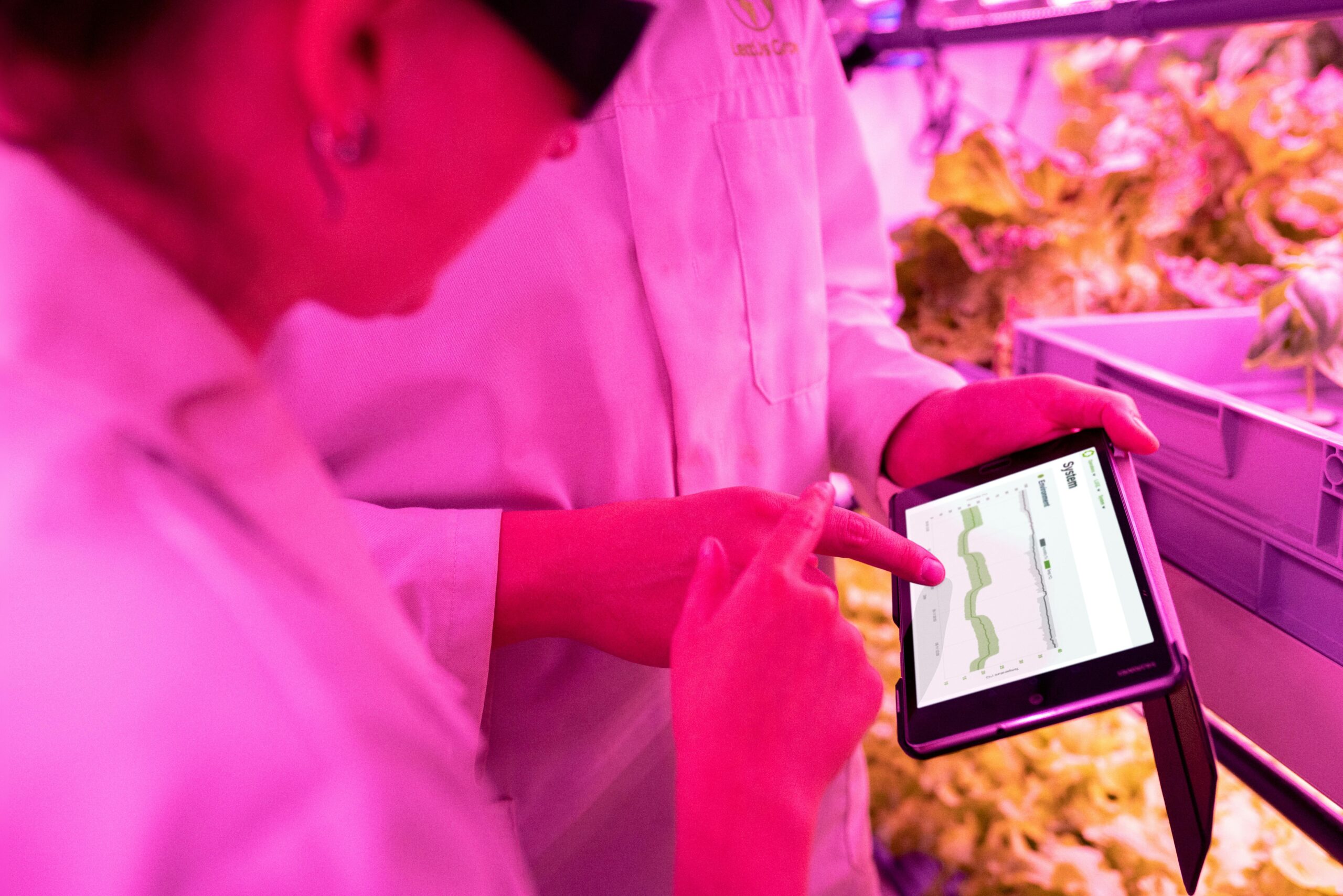
Agriculture has always evolved alongside technology. The introduction of machinery, fertilizers, and irrigation systems significantly increased productivity and reduced manual labor. Today, AI represents the next major leap.
Unlike traditional tools, AI systems can analyze data, learn patterns, and make decisions. This allows farmers to move from reactive practices to proactive and predictive approaches.
For example, instead of waiting for crops to show signs of disease, AI systems can detect early warning signals and recommend preventive measures. This shift is transforming agriculture into a more precise and efficient industry.
How AI is Transforming Agricultural Work
AI is influencing agricultural employment in several key ways:
1. Automation of Labor-Intensive Tasks
Many traditional farming tasks, such as planting, weeding, and harvesting, are labor-intensive. AI-powered machines and robots can perform these tasks more efficiently and with greater precision.
For instance, autonomous tractors and robotic harvesters can operate for long hours without fatigue. This reduces the need for manual labor, particularly for repetitive tasks.
2. Precision Agriculture
AI enables precision farming, where resources like water, fertilizers, and pesticides are used more efficiently. Sensors, drones, and satellite data provide real-time information about soil conditions, crop health, and weather patterns.
Farmers can use this data to make informed decisions, improving yields while reducing costs and environmental impact.
3. Data-Driven Decision Making
AI systems analyze large datasets to provide insights on crop selection, planting schedules, and market trends. This helps farmers make better decisions and minimize risks.
As a result, the role of farmers is shifting from manual labor to data management and strategic planning.
Impact on Employment: Job Displacement
One of the most discussed aspects of AI in agriculture is job displacement. Automation can reduce the demand for certain types of labor, particularly low-skilled and repetitive jobs.
Seasonal workers, who are often employed for tasks like harvesting, may be the most affected. In regions where agriculture is a major source of employment, this can have significant social and economic implications.
However, it is important to note that technological change has always disrupted jobs while also creating new ones. The key challenge is managing this transition effectively.
New Opportunities and Emerging Roles
While AI may replace some jobs, it is also creating new opportunities in agriculture:
1. Technical and Skilled Roles
AI-driven agriculture requires skilled workers who can operate, maintain, and repair advanced machinery. This creates demand for technicians, engineers, and IT specialists.
2. Data Analysts and Agronomists
As data becomes central to farming, there is a growing need for professionals who can interpret and apply it. Agronomists and data analysts play a crucial role in optimizing agricultural practices.
3. Agri-Tech Entrepreneurs
AI is opening doors for innovation and entrepreneurship. Startups are developing AI solutions for farming, creating new business opportunities and jobs.
4. Training and Education Roles
As farmers adopt new technologies, there is a need for training and support. Educators and trainers are essential for helping workers adapt to changing demands.
The Changing Role of Farmers
AI is not eliminating the need for farmers—it is transforming their role. Modern farmers are becoming more like managers and decision-makers.
They must understand data, use technology, and make strategic choices based on AI-generated insights. This requires new skills and a willingness to adapt.
In many ways, farming is becoming a knowledge-intensive profession, blending traditional expertise with modern technology.
Challenges in Adapting to AI
Despite its benefits, the adoption of AI in agriculture comes with challenges:
1. Skill Gaps
Many agricultural workers lack the technical skills needed to operate AI systems. This creates a gap between available jobs and workforce capabilities.
2. Cost of Technology
AI technologies can be expensive, making them less accessible to small-scale farmers. This may widen the gap between large and small agricultural enterprises.
3. Infrastructure Limitations
In rural areas, limited access to internet and electricity can hinder the adoption of AI technologies.
4. Resistance to Change
Some farmers may be hesitant to adopt new technologies due to uncertainty or lack of awareness.
Social and Economic Implications
The impact of AI on agricultural employment extends beyond individual workers. It affects entire communities and economies.
In developing countries, where agriculture employs a large portion of the population, job displacement can lead to increased unemployment and migration to urban areas.
On the other hand, increased productivity can lead to lower food prices, improved food security, and economic growth.
Balancing these outcomes requires thoughtful policies and support systems.
The Role of Governments and Policy Makers
Governments play a crucial role in shaping the impact of AI on agricultural employment. Key areas of focus include:
- Education and Training: Providing programs to help workers develop new skills
- Subsidies and Support: Making AI technologies more accessible to small farmers
- Infrastructure Development: Improving connectivity in rural areas
- Regulation: Ensuring fair and responsible use of AI
By investing in these areas, governments can help ensure that the benefits of AI are widely shared.
Ethical Considerations
The use of AI in agriculture also raises ethical questions:
- Equity: Will small farmers be left behind?
- Data Ownership: Who owns the data generated by AI systems?
- Job Security: How can workers be protected during the transition?
- Sustainability: How can AI be used to promote environmentally friendly practices?
Addressing these issues is essential for creating a fair and sustainable agricultural system.
Future Outlook

The future of AI in agricultural employment is both exciting and uncertain. As technology continues to evolve, its impact will depend on how it is implemented and managed.
We can expect greater integration of AI with other technologies, such as robotics and the Internet of Things (IoT). This will further enhance efficiency and productivity.
At the same time, there will be a growing emphasis on sustainability and resilience, as agriculture faces challenges like climate change and population growth.
The key to success lies in embracing innovation while ensuring that workers are supported and included in the transition.
Conclusion
Artificial Intelligence is transforming agriculture in profound ways, reshaping how food is produced and how work is performed. While it brings challenges, particularly in terms of job displacement, it also creates new opportunities and possibilities.
The future of agricultural employment will not be defined by machines replacing humans, but by humans working alongside intelligent systems. By investing in education, infrastructure, and inclusive policies, we can ensure that this transformation benefits everyone.
In the end, AI has the potential to make agriculture more efficient, sustainable, and resilient—while also redefining the role of those who work within it.