

AI in sugarcane agriculture: Agriculture has always been the backbone of many economies, especially in developing countries where crops like sugarcane play a vital role in livelihoods and industry. Sugarcane is not just a crop—it is a source of sugar, biofuel, and employment for millions of farmers worldwide. However, traditional sugarcane farming faces numerous challenges, including unpredictable weather, pest infestations, water scarcity, and low productivity.
Enter Artificial Intelligence (AI), a transformative force that is reshaping industries across the globe. In agriculture, AI is revolutionizing the way crops are grown, monitored, and harvested. Sugarcane farming, in particular, is experiencing a significant shift as AI-driven technologies bring precision, efficiency, and sustainability to the field.
This article explores how AI is revolutionizing sugarcane agriculture, the benefits it offers, the challenges it presents, and what the future holds for farmers and the agricultural sector.
The Importance of Sugarcane Agriculture
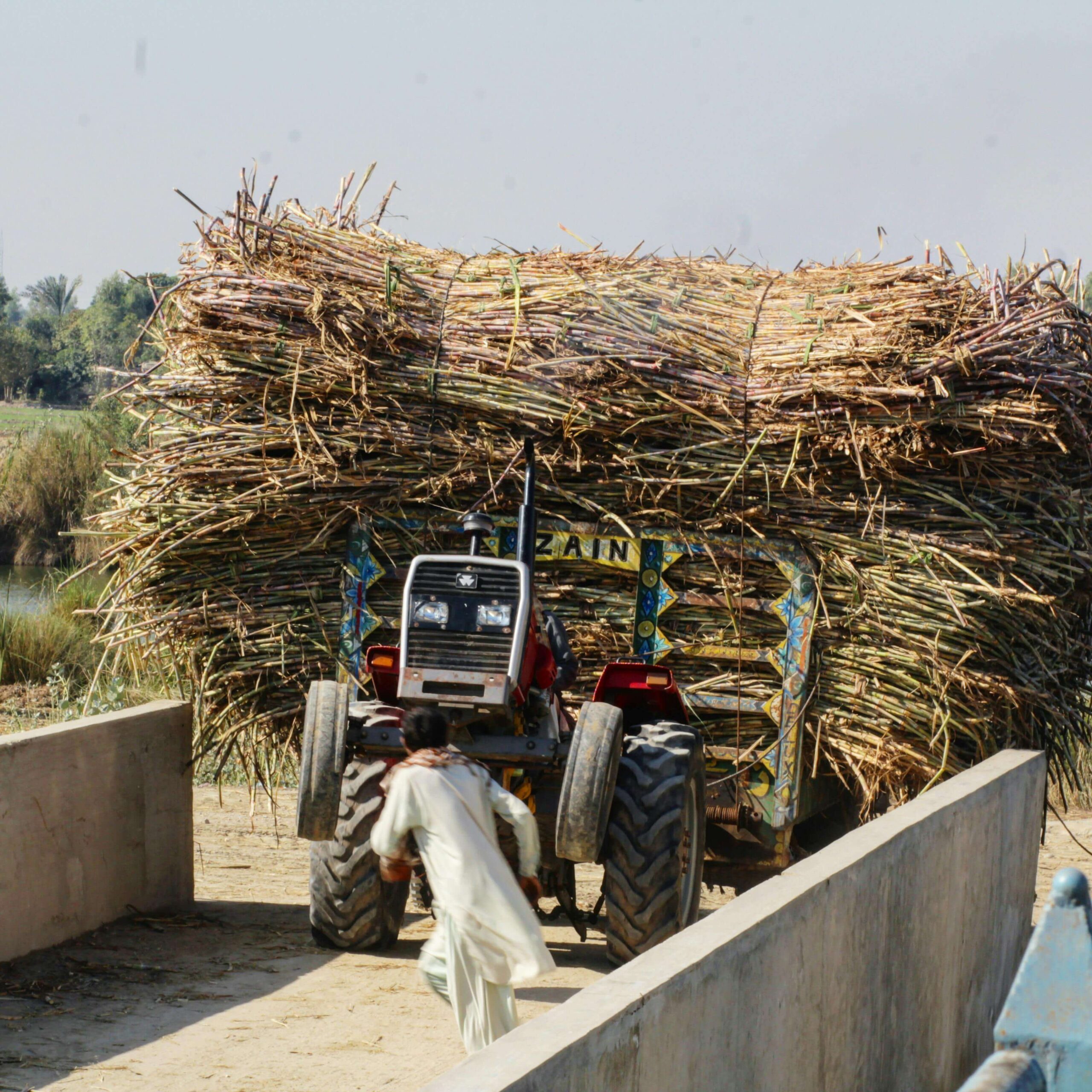
Sugarcane is one of the most widely cultivated crops in tropical and subtropical regions. Countries like Brazil, India, and Pakistan rely heavily on sugarcane for both domestic consumption and export. In Pakistan, sugarcane contributes significantly to the agricultural economy and supports thousands of farmers and sugar mills.
Despite its importance, sugarcane farming often relies on traditional methods, which can be inefficient and resource-intensive. Farmers frequently struggle with issues such as:
- Irregular irrigation practices
- Soil degradation
- Pest and disease outbreaks
- Fluctuating market prices
These challenges highlight the need for smarter, more adaptive farming solutions—this is where AI comes in.
How AI Is Transforming Sugarcane Farming
AI technologies are enabling farmers to move from traditional practices to precision agriculture, where decisions are based on data rather than guesswork.
1. Smart Crop Monitoring
AI-powered tools use satellite imagery, drones, and sensors to monitor crop health in real time. These technologies can detect issues such as nutrient deficiencies, water stress, and disease outbreaks before they become visible to the human eye.
For sugarcane farmers, this means early intervention and reduced crop losses. Instead of inspecting fields manually, farmers can rely on AI systems to provide accurate and timely insights.
2. Precision Irrigation
Water management is a critical aspect of sugarcane cultivation, as the crop requires significant amounts of water. AI systems analyze weather data, soil moisture levels, and crop needs to optimize irrigation schedules.
This ensures that crops receive the right amount of water at the right time, reducing waste and conserving resources. In regions facing water scarcity, such as parts of Pakistan, this can make a substantial difference.
3. Pest and Disease Prediction
AI models can predict pest infestations and disease outbreaks by analyzing historical data and environmental conditions. For example, changes in temperature and humidity can signal the likelihood of certain pests appearing.
By providing early warnings, AI allows farmers to take preventive measures rather than reactive ones. This not only protects crops but also reduces the need for excessive pesticide use, promoting more sustainable farming practices.
4. Yield Prediction and Optimization
AI algorithms can estimate crop yields based on factors such as soil quality, weather patterns, and farming practices.This helps farmers plan their harvests and manage resources more effectively.
In addition, AI can suggest optimal planting times, fertilizer usage, and harvesting strategies to maximize productivity.
5. Automation and Machinery
AI-powered machinery, such as autonomous tractors and harvesters, is transforming labor-intensive tasks in sugarcane farming. These machines can perform activities like planting, weeding, and harvesting with high precision.
Automation not only reduces labor costs but also improves efficiency and consistency in farming operations.
Benefits of AI in Sugarcane Agriculture
The integration of AI into sugarcane farming offers numerous advantages:
Increased Productivity
AI enables farmers to make informed decisions, leading to higher crop yields and better quality produce.
Resource Efficiency
By optimizing the use of water, fertilizers, and pesticides, AI reduces waste and lowers production costs.
Sustainability
AI promotes environmentally friendly practices by minimizing chemical usage and conserving natural resources.
Risk Reduction
Predictive analytics help farmers anticipate and mitigate risks related to weather, pests, and diseases.
Improved Profitability
Higher yields and lower costs translate into increased income for farmers.
Real-World Examples
Several countries are already leveraging AI in sugarcane agriculture:
- Brazil: As the world’s largest sugarcane producer, Brazil uses AI-driven systems for crop monitoring and yield optimization.
- India: AI applications are helping farmers improve irrigation practices and detect diseases early.
- Pakistan: Emerging agri-tech startups are introducing AI tools to assist local farmers in improving productivity and efficiency.
These examples demonstrate that AI is not just a theoretical concept but a practical solution with real-world impact.
Challenges in Adoption
Despite its potential, the adoption of AI in sugarcane agriculture is not without challenges:
High Initial Costs
AI technologies, such as drones and sensors, can be expensive for small-scale farmers.
Lack of Awareness
Many farmers are not familiar with AI tools or how to use them effectively.
Infrastructure Limitations
Reliable internet connectivity and access to digital tools are essential for AI implementation, which may be lacking in rural areas.
Data Privacy and Ownership
Questions about who owns agricultural data and how it is used can create concerns among farmers.
Bridging the Gap: Making AI Accessible
To fully realize the benefits of AI in sugarcane agriculture, efforts must be made to make these technologies accessible to all farmers.
Government Support
Subsidies, training programs, and policy initiatives can encourage the adoption of AI in agriculture.
Public-Private Partnerships
Collaboration between governments, tech companies, and agricultural organizations can drive innovation and implementation.
Education and Training
Providing farmers with the knowledge and skills to use AI tools is crucial for success.
Affordable Solutions
Developing low-cost AI solutions tailored to small-scale farmers can help bridge the digital divide.
The Human Side of AI in Farming
While AI brings advanced technology to agriculture, it does not replace the farmer. Instead, it empowers farmers by giving them better tools and insights.
Farming is deeply rooted in human experience, intuition, and tradition. AI complements these qualities by providing data-driven support, allowing farmers to make more informed decisions.
In many ways, AI is like a digital assistant—guiding farmers, reducing uncertainty, and enhancing their ability to care for their crops.
The Future of Sugarcane Agriculture
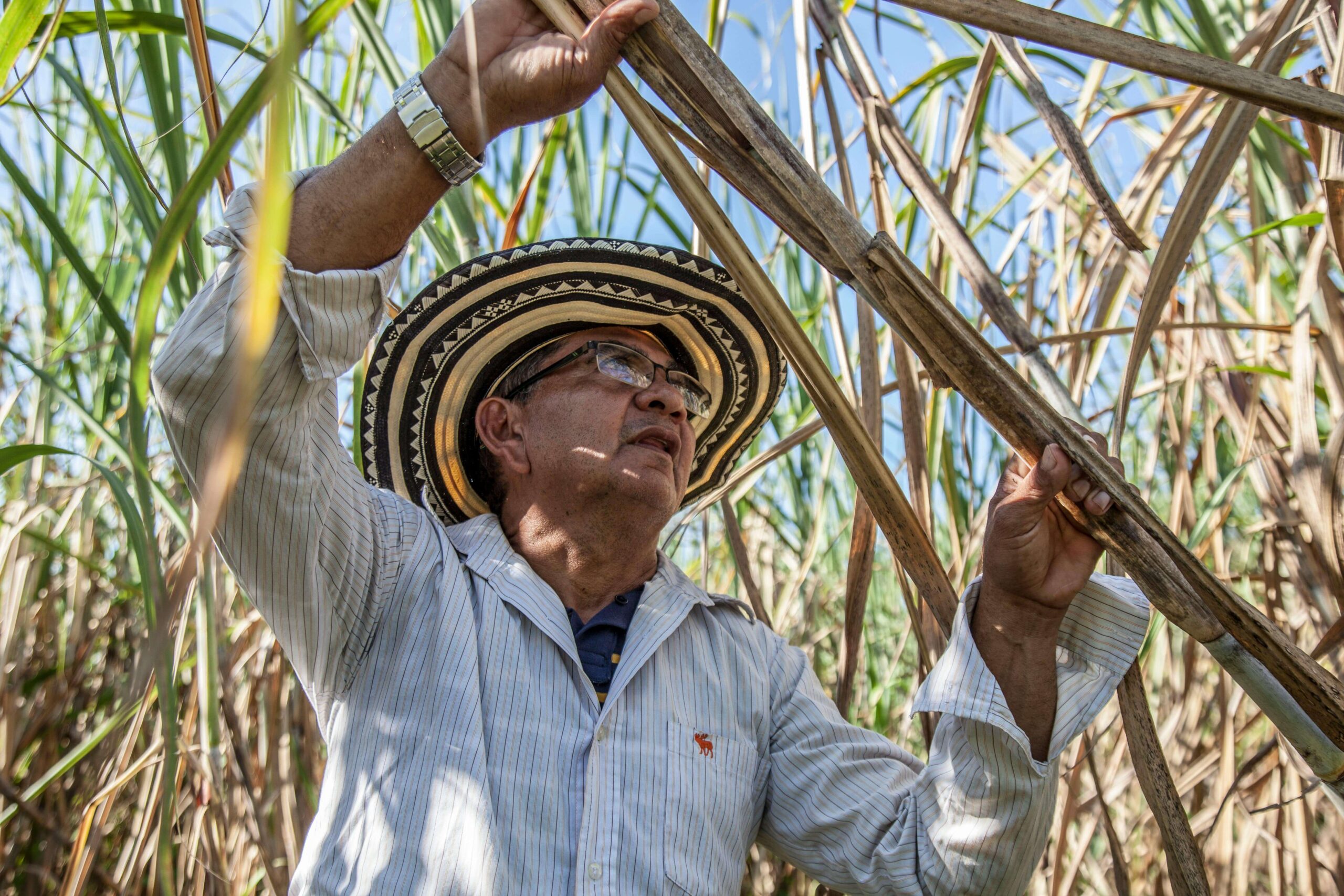
The future of sugarcane farming lies in the integration of AI with other emerging technologies, such as the Internet of Things (IoT), blockchain, and robotics.
Imagine a fully connected farm where sensors monitor every aspect of crop growth, AI systems analyze data in real time, and automated machines carry out tasks with precision. This vision is rapidly becoming a reality.
As technology continues to advance, sugarcane agriculture will become more efficient, sustainable, and resilient, ensuring food security and economic stability for millions of people.
Conclusion
The AI revolution in sugarcane agriculture is transforming the way farmers grow and manage their crops. By introducing precision, efficiency, and sustainability, AI is addressing many of the challenges faced by traditional farming methods.
However, the success of this revolution depends on more than just technology. It requires collaboration, education, and a commitment to making AI accessible to all farmers.
Ultimately, AI is not just changing agriculture—it is redefining it.By combining human expertise with intelligent technology, we can create a future where sugarcane farming is not only more productive but also more sustainable and inclusive.