

AI authorship issues: In an era where artificial intelligence (AI) is rapidly reshaping how we create, write, and think, questions about authorship have become more complicated than ever. One unusual yet powerful way to understand these issues comes from an unexpected place—monkeys. A famous legal dispute involving a monkey taking a selfie has sparked global debates about ownership, creativity, and rights. Today, as AI systems generate text, art, and even music, similar questions arise: Who is the true author—the machine, the programmer, or the user?
This article explores the fascinating parallels between the “monkey selfie” case and modern AI-generated content, shedding light on the evolving concept of authorship in the digital age.
The Monkey Selfie That Changed Everything
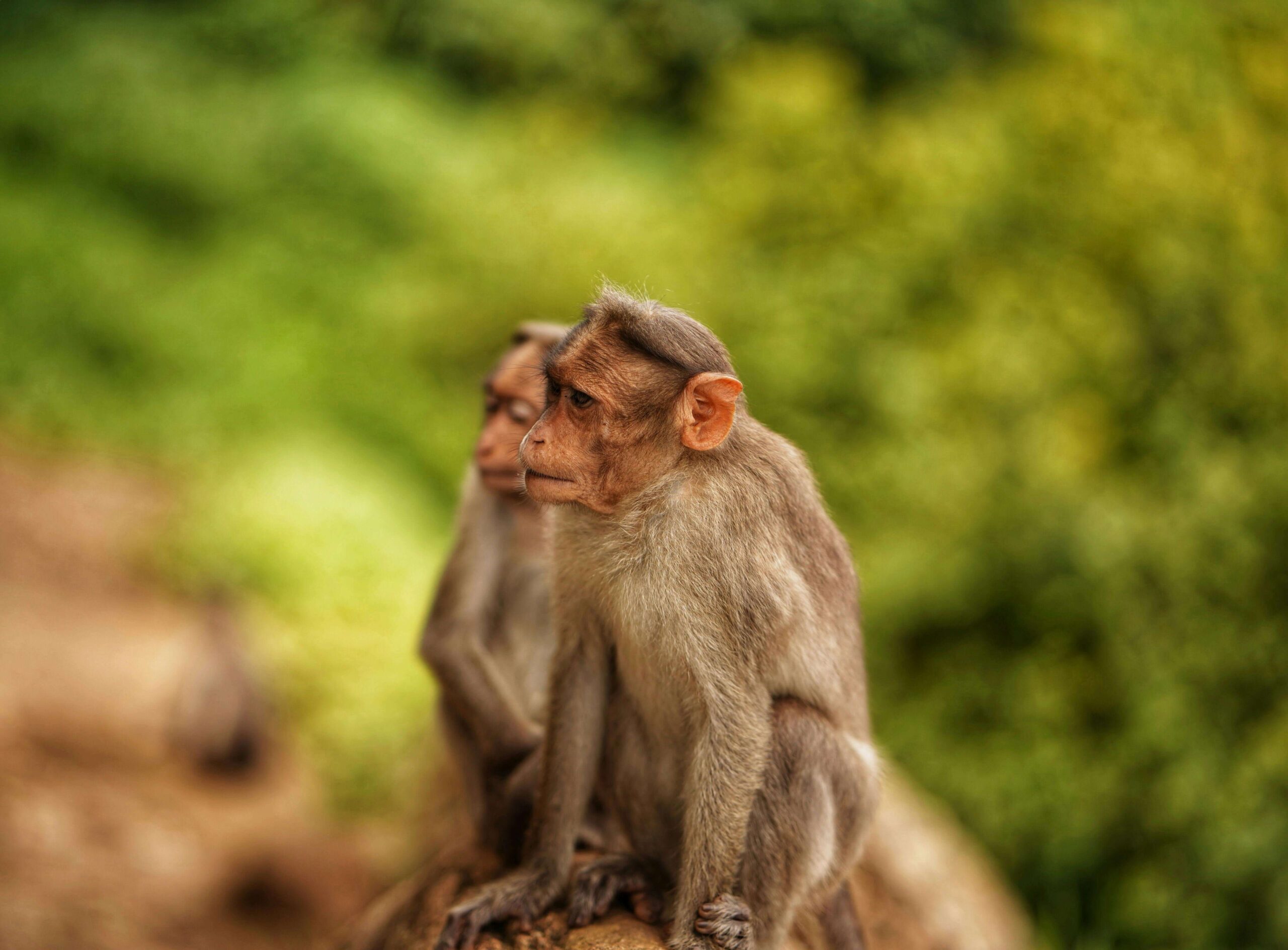
The story begins with a photographer who set up his camera in a forest, only for a monkey to press the shutter button and capture its own photograph. The image went viral, but it also led to a legal battle over copyright. Could a monkey own a photograph? Or did the photographer retain rights because he set up the equipment?
Courts ultimately ruled that non-human entities cannot hold copyright. Since the monkey was not a legal person, it could not be considered the author. This case became a landmark example in intellectual property law, forcing experts to rethink what it means to create something.
While the case may seem humorous, its implications are deeply relevant today, especially in the context of AI.
AI as the New “Monkey”
Artificial intelligence systems, like large language models and image generators, function in ways that are surprisingly similar to the monkey in the selfie case. They produce content, often autonomously, based on training data and algorithms designed by humans.
However, AI differs in one key way: it is not acting randomly. Instead, it processes vast amounts of data and generates outputs based on patterns. This raises a critical question—does this make AI a creator?
From a legal standpoint, most jurisdictions still say no. AI is considered a tool, much like a camera. But as AI becomes more sophisticated, this classification is increasingly being challenged.
Who Owns AI-Generated Content? AI Authorship Issues
One of the biggest challenges in AI authorship is determining ownership. There are several possible stakeholders:
1. The Developer
The company or individual who created the AI system may claim ownership because they designed the tool.
2. The User
The person who inputs prompts and directs the AI might be considered the author, as they guide the output.
3. The AI Itself
Although not legally recognized, some argue that AI should be credited as a co-creator due to its role in generating content.
4. The Data Contributors
AI systems are trained on large datasets that include works from countless creators. Should these original contributors have a claim?
This complexity makes AI authorship far more intricate than traditional creative processes.
Lessons for AI Authorship Issues From the Monkey Case
The monkey selfie case provides several insights that can help us navigate AI-related authorship issues:
Intent Matters
The monkey did not intend to create art; it simply pressed a button. Similarly, AI lacks intentionality. It does not “decide” to create—it follows programmed instructions.
Human Involvement Is Key
In the monkey case, the photographer’s role was crucial. He set up the conditions for the photo to be taken. Likewise, humans design, train, and use AI systems, making their involvement central to authorship claims.
Legal Systems Favor Humans
Current laws prioritize human creators. This principle is likely to remain, at least in the near future, even as AI becomes more advanced.
Ethical Dimensions of AI Authorship Issues
Beyond legal considerations, AI authorship raises important ethical questions:
Transparency
Should AI-generated content be clearly labeled? Many argue that users have a right to know whether something was created by a human or a machine.
Fair Compensation
If AI uses existing works for training, should original creators be compensated? This is a growing concern among artists, writers, and musicians.
Creativity vs. Automation
Some fear that AI could devalue human creativity by flooding the market with automated content. Others believe it can enhance creativity by acting as a collaborative tool.
The Role of Copyright Law
Copyright law is struggling to keep up with technological advancements. Traditional frameworks were designed for human creators, not machines.
In many countries, copyright protection requires:
- Originality
- Human authorship
- Creative intent
AI challenges all three of these criteria. For example, if an AI generates a novel or a painting, can it truly be considered “original”? And if there is no human author, can copyright even apply?
Some governments are beginning to explore new legal frameworks, but a global consensus is still far from being achieved.
AI as a Creative Partner
Rather than viewing AI as a competitor, many experts suggest treating it as a collaborator. In this model:
- Humans provide direction and intent
- AI assists with execution and generation
This perspective aligns with how tools have historically been used in creative fields. For instance, a camera does not diminish the role of a photographer—it enhances it.
Similarly, AI can be seen as an advanced tool that expands human capabilities rather than replacing them.
Future Implications of AI Authorship Issues

As AI continues to evolve, the question of authorship will only become more pressing. Future developments may include:
New Legal Definitions
Governments may redefine authorship to include AI-assisted works.
Licensing Models
AI-generated content might require new types of licenses that account for multiple contributors.
Recognition of AI Contributions
While AI may not gain legal personhood, it could be acknowledged as a contributing factor in creative works.
Striking a Balance
The challenge lies in balancing innovation with fairness. On one hand, AI has the potential to revolutionize creativity and productivity. On the other, it raises concerns about ownership, accountability, and ethical use.
The monkey selfie case reminds us that authorship is not just about who presses the button—it’s about intention, control, and context. As we navigate the complexities of AI, these principles can serve as a valuable guide.
Conclusion
The story of a monkey taking a selfie may seem far removed from the sophisticated world of artificial intelligence, but the underlying issues are remarkably similar. Both challenge our understanding of creativity and ownership.
As AI technology continues to advance, society must rethink traditional notions of authorship. While current laws favor human creators, the growing role of AI demands new approaches that reflect the realities of the digital age.
Ultimately, the goal should not be to limit innovation but to ensure that creativity—whether human or machine-assisted—is recognized, respected, and fairly rewarded.