

Biomimetic Computation in Neural Networks: Artificial intelligence has made extraordinary progress over the past decade, largely driven by advancements in neural networks. These systems can recognize images, translate languages, and even generate human-like text. However, despite their impressive capabilities, neural networks remain surprisingly fragile. Small changes in input—sometimes even imperceptible to humans—can cause them to fail.
To address this challenge, researchers are increasingly turning to nature for inspiration. Biomimetic computation, which involves designing algorithms based on biological processes, is emerging as a powerful approach to improving neural network robustness. By learning from how living organisms process information and adapt to changing environments, scientists are building AI systems that are not only smarter but also more resilient.
What is Biomimetic Computation?
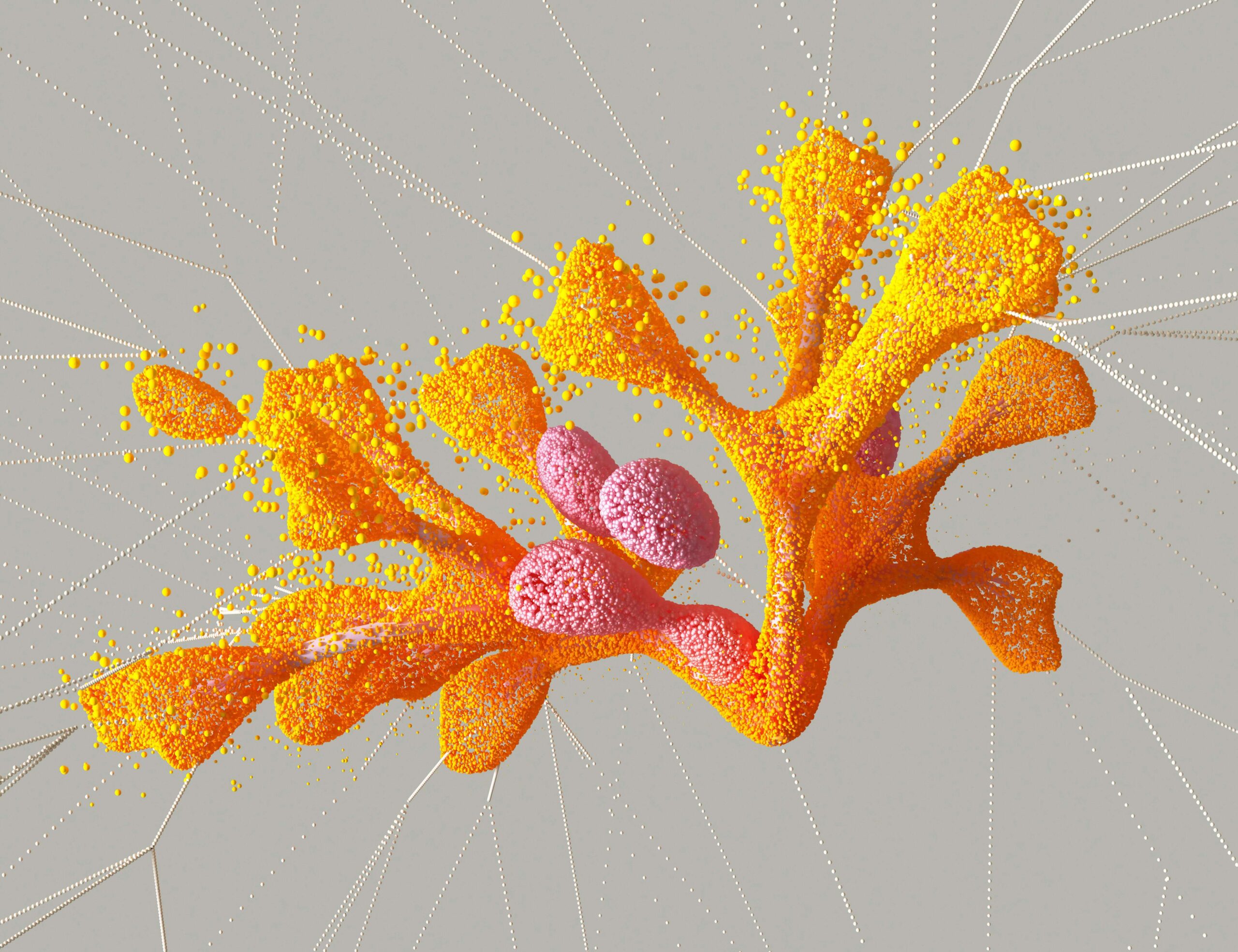
Biomimetic computation refers to computational methods inspired by biological systems. Nature has spent millions of years evolving efficient, adaptive, and robust mechanisms for survival. From the human brain to the immune system, biological processes are inherently resilient to noise, uncertainty, and disruption.
In the context of artificial intelligence, biomimetic approaches aim to replicate these qualities. Instead of relying solely on mathematical optimization, these methods incorporate principles such as:
- Adaptation and learning from experience
- Redundancy and fault tolerance
- Decentralized processing
- Self-organization
These characteristics make biological systems highly robust—an attribute that traditional neural networks often lack.
The Problem of Neural Network Fragility
Neural networks are powerful, but they are not inherently robust. One of the most well-known issues is their vulnerability to adversarial attacks.
An adversarial attack involves making tiny, carefully crafted changes to input data that cause a neural network to make incorrect predictions. For example, a slightly altered image of a stop sign might be misclassified as a speed limit sign.
This fragility raises serious concerns, especially in critical applications such as:
- Autonomous vehicles
- Medical diagnosis
- Financial decision-making
- Security systems
The question is clear: how can we make neural networks more reliable in unpredictable, real-world environments?
Lessons from Biology
Biological systems offer valuable insights into robustness.
The Human Brain
The brain can function effectively even when parts of it are damaged. It adapts, reorganizes, and compensates for losses. This flexibility is something traditional neural networks struggle to achieve.
The Immune System
The immune system can detect and respond to a vast range of threats, including those it has never encountered before. It learns, remembers, and adapts over time.
Swarm Intelligence
Groups of simple organisms, such as ants or bees, can collectively solve complex problems. Their decentralized nature makes them resilient to individual failures.
By mimicking these systems, researchers can design neural networks that are better equipped to handle uncertainty and disruption.
Biomimetic Techniques for Improving Robustness
Several biomimetic strategies are being applied to neural networks:
1. Redundant Architectures
Biological systems often include redundancy—multiple components performing similar functions. In neural networks, this can be achieved by using multiple pathways or parallel models. If one pathway fails, others can compensate.
2. Noise Injection
Introducing noise during training can make neural networks more robust. This mimics how biological systems operate in noisy environments and learn to filter out irrelevant information.
3. Plasticity Mechanisms
Neural plasticity—the brain’s ability to adapt and rewire itself—is a key inspiration. AI models can incorporate adaptive learning rates or dynamic structures that change based on experience.
4. Evolutionary Algorithms
Inspired by natural selection, evolutionary algorithms optimize neural networks by iteratively selecting and refining the best-performing models.
5. Spiking Neural Networks
Unlike traditional neural networks, spiking neural networks mimic the way biological neurons communicate through discrete spikes. These models are more energy-efficient and potentially more robust.
Real-World Applications
Biomimetic approaches are already making an impact across various fields:
Autonomous Systems
Robust neural networks are essential for self-driving cars and drones, which must operate safely in dynamic and unpredictable environments.
Healthcare
In medical imaging and diagnosis, robustness ensures that AI systems can handle variations in data and provide reliable results.
Cybersecurity
Biomimetic models can detect anomalies and adapt to new threats, much like the human immune system.
Robotics
Robots that use biomimetic computation can adapt to new tasks and environments, improving their versatility and reliability.
Advantages of Biomimetic Approaches
The integration of biological principles into AI offers several benefits:
- Improved resilience to noise and adversarial inputs
- Better generalization across different datasets
- Enhanced adaptability to new situations
- Energy efficiency, especially in spiking models
- Fault tolerance, reducing the impact of individual component failures
These advantages make biomimetic computation a promising direction for the future of AI.
Challenges and Limitations
Despite its potential, biomimetic computation also faces challenges:
Complexity
Biological systems are incredibly complex, and accurately modeling them is difficult.
Computational Cost
Some biomimetic methods require significant computational resources, especially during training.
Lack of Standardization
There is no single framework for biomimetic AI, making it harder to compare and evaluate different approaches.
Scalability Issues
Translating biological principles into large-scale systems remains a challenge.
The Future of Robust AI
The future of neural networks lies in combining the strengths of traditional machine learning with insights from biology. Researchers are exploring hybrid models that integrate biomimetic principles with advanced architectures like deep learning and reinforcement learning.
Emerging trends include:
- Neuromorphic computing hardware
- Brain-inspired learning algorithms
- Integration of sensory data for better grounding
- Self-healing AI systems
As these technologies evolve, we can expect AI systems to become more reliable, efficient, and capable of operating in real-world conditions.
Conclusion
Biomimetic computation represents a significant step forward in addressing one of the biggest challenges in artificial intelligence: robustness. By drawing inspiration from nature, researchers are developing neural networks that are not only powerful but also resilient and adaptable.
While there is still much to learn from biological systems, the progress so far is promising. As AI continues to play a larger role in our lives, ensuring its reliability will be essential. Biomimetic approaches offer a pathway toward achieving this goal.
In the end, nature may hold the key to building truly intelligent systems—ones that can learn, adapt, and thrive in an ever-changing world.