

AI and Women’s Employment in Europe: Artificial Intelligence (AI) is transforming economies across the globe, and Europe is no exception. From automating repetitive tasks to enabling smarter decision-making, AI is reshaping the future of work. While this technological revolution brings numerous opportunities, it also raises important questions about gender equality—especially when it comes to women’s employment.
In Europe, where gender equality has long been a policy priority, AI presents both promise and risk. On one hand, it can empower women through flexible work, new job roles, and improved productivity. On the other hand, it may widen existing gender gaps if not managed carefully. Understanding how AI impacts women’s employment is crucial for building an inclusive and sustainable workforce.
The Current State of Women’s Employment in Europe
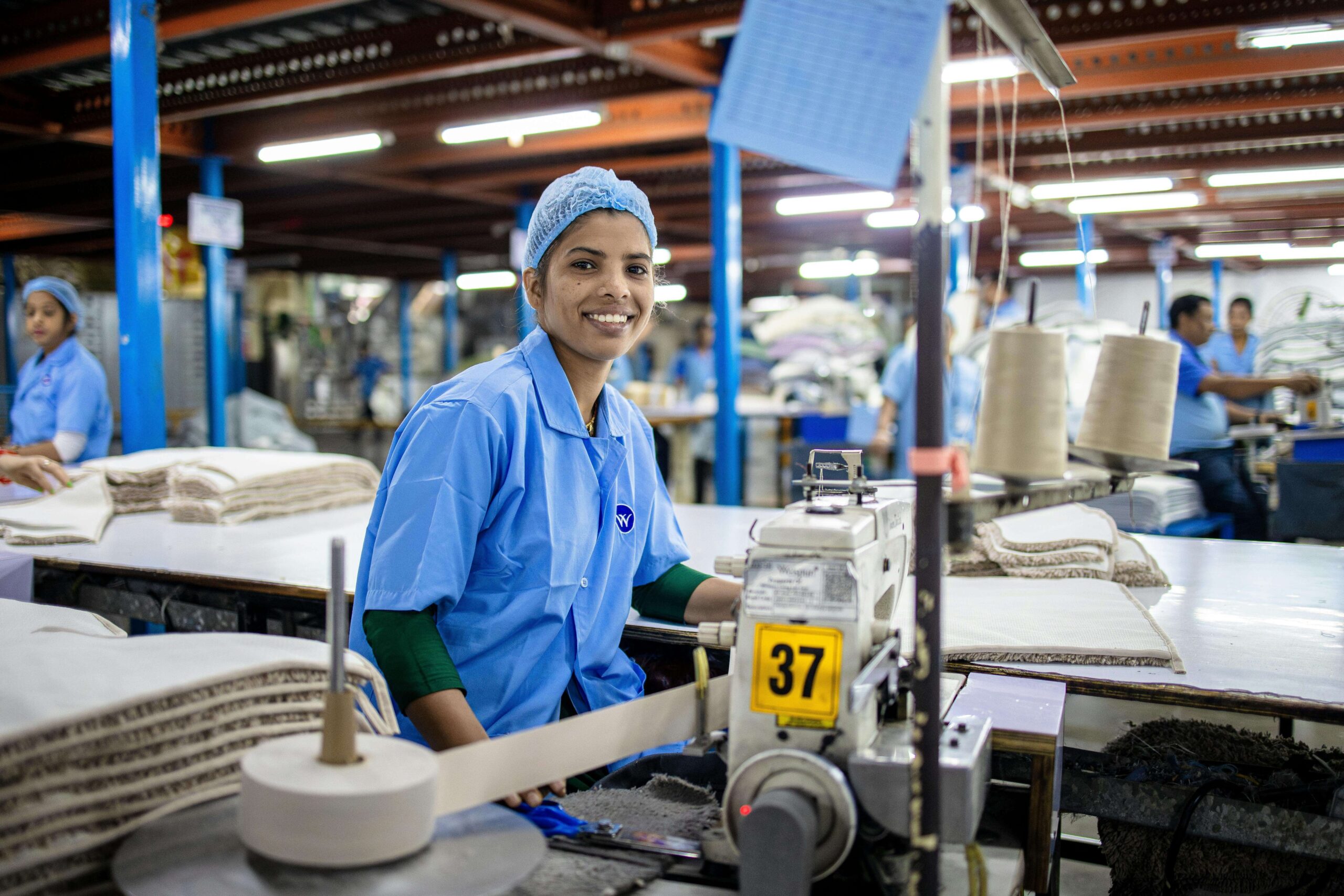
Over the past few decades, Europe has made significant progress in increasing women’s participation in the workforce. Policies such as parental leave, anti-discrimination laws, and gender equality initiatives have helped narrow the employment gap between men and women.
However, challenges still exist. Women are more likely to work in part-time roles, earn lower wages, and be underrepresented in leadership positions. Additionally, many women are concentrated in sectors like healthcare, education, and administrative work—fields that are particularly vulnerable to automation.
This is where AI enters the picture, bringing both disruption and opportunity.
How AI is Transforming Jobs
AI is not just replacing jobs—it is also redefining them. Tasks that are repetitive and predictable are increasingly being automated, while new roles requiring digital skills are emerging.
Jobs at Risk
Many roles traditionally held by women, such as clerical work, data entry, and customer service, are highly susceptible to automation. AI-powered systems can now handle tasks like scheduling, answering queries, and processing information more efficiently than humans.
This raises concerns that women may be disproportionately affected by job displacement.
New Opportunities
At the same time, AI is creating new job opportunities in fields such as data analysis, machine learning, cybersecurity, and digital marketing. These roles often offer higher salaries and career growth potential.
The challenge is ensuring that women have access to the education and training needed to enter these emerging fields.
The Gender Gap in Tech and AI
One of the biggest concerns is the underrepresentation of women in technology-related fields. In Europe, women make up a relatively small percentage of workers in AI and STEM (Science, Technology, Engineering, and Mathematics) careers.
This gap has several implications:
- Limited participation in AI development: Fewer women in AI means less diversity in designing technologies.
- Bias in AI systems: AI systems can reflect the biases of their creators, leading to unfair outcomes in hiring, lending, and other areas.
- Missed economic opportunities: Women may miss out on high-paying and future-proof jobs.
Encouraging more women to pursue careers in AI and tech is essential for addressing these issues.
AI and Workplace Flexibility
One of the most promising aspects of AI is its ability to enable flexible working arrangements. Remote work, smart scheduling, and AI-powered productivity tools can help women balance professional and personal responsibilities.
For many women, especially those with caregiving duties, flexibility is a key factor in staying in the workforce. AI-driven tools can:
- Automate routine tasks, saving time
- Support remote collaboration
- Improve work-life balance
This can lead to increased job satisfaction and higher participation rates among women.
The Risk of Reinforcing Inequality
Despite its benefits, AI also carries the risk of reinforcing existing inequalities. If not carefully designed and regulated, AI systems can perpetuate gender bias.
Examples of Bias
- Hiring algorithms may favor male candidates if trained on biased data.
- Performance evaluation systems might overlook contributions typically made by women.
- Voice recognition systems may perform better for male voices than female ones.
These biases can create barriers for women and limit their career growth.
Policy Responses in Europe
European governments and institutions are actively working to address these challenges. Several initiatives aim to promote gender equality in the age of AI.
Key Strategies
- Education and Training Programs
Governments are investing in digital skills training to help women transition into AI-related roles. - Gender-Inclusive Policies
Policies are being designed to ensure equal opportunities in hiring, pay, and career advancement. - Ethical AI Regulations
The European Union is developing frameworks to ensure that AI systems are fair, transparent, and unbiased. - Support for Women Entrepreneurs
Funding and mentorship programs are helping women start and grow tech-based businesses.
These efforts are crucial for ensuring that AI benefits everyone, not just a select group.
The Role of Education and Upskilling
Education is one of the most powerful tools for empowering women in the AI era. Encouraging girls and women to pursue STEM education can help bridge the gender gap in technology.
Key Areas of Focus
- Digital literacy and coding skills
- Data science and analytics
- AI and machine learning fundamentals
- Leadership and entrepreneurship training
Lifelong learning is also essential, as workers need to continuously update their skills to keep up with technological advancements.
Corporate Responsibility
Companies also have a critical role to play in shaping the future of women’s employment in AI-driven economies.
What Companies Can Do
- Promote diversity and inclusion in hiring
- Provide training and mentorship programs
- Ensure fair evaluation and promotion processes
- Develop unbiased AI systems
Organizations that prioritize gender equality are more likely to benefit from diverse perspectives, improved innovation, and better decision-making.
The Future Outlook

The future of women’s employment in Europe will largely depend on how AI is implemented and governed. If managed well, AI can be a powerful tool for empowerment.
Potential Positive Outcomes
- Increased access to high-quality jobs
- Greater workplace flexibility
- Reduced gender gaps in employment and pay
- Enhanced economic growth
However, without proactive measures, there is a risk of widening inequality and excluding women from the benefits of technological progress.
Conclusion
AI is reshaping the world of work in profound ways, and its impact on women’s employment in Europe is both complex and significant. While it offers new opportunities for growth, flexibility, and innovation, it also presents challenges related to job displacement, gender bias, and unequal access to resources.
To ensure a fair and inclusive future, governments, businesses, and individuals must work together. Investing in education, promoting diversity, and implementing ethical AI practices are essential steps toward empowering women in the digital age.
Ultimately, the goal should not just be to adapt to AI—but to shape it in a way that benefits everyone equally.