

Tech AI and Thieving Futures: Technology has always shaped the future, but today, the pace of change feels almost overwhelming. Artificial Intelligence (AI), automation, and digital systems are transforming industries, economies, and even personal lives. While these advancements promise efficiency and innovation, they also raise a troubling question: Are we building a future that benefits everyone—or one that quietly takes more than it gives?
The phrase “thieving futures” reflects a growing concern that technology, especially AI, may be unintentionally—or sometimes deliberately—taking away opportunities, privacy, creativity, and even control from individuals and communities. This article explores how technology is shaping the future, the risks involved, and what can be done to ensure that progress does not come at the cost of fairness.
The Rise of Intelligent Technology
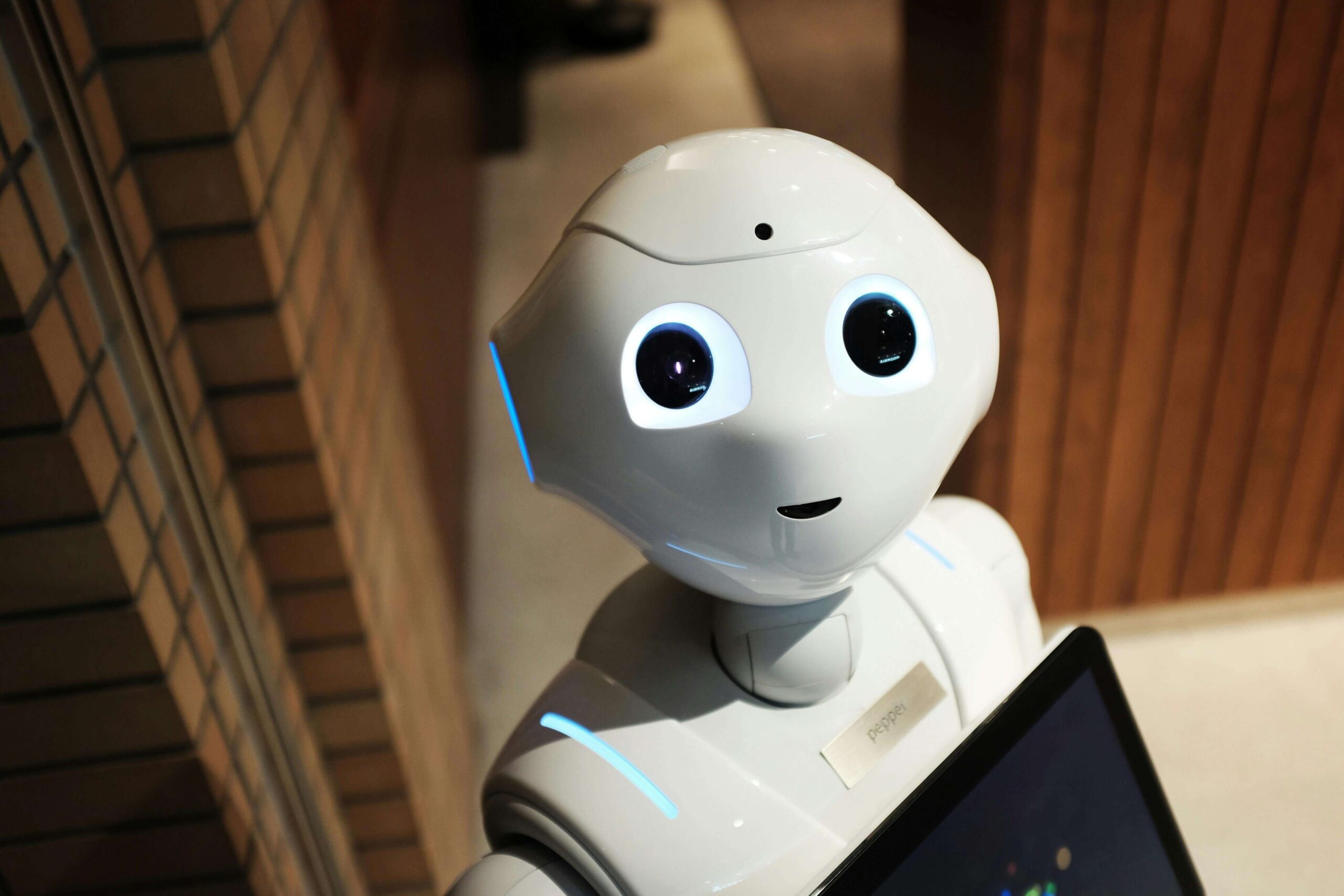
AI is no longer a distant concept. It is embedded in everyday tools—recommendation systems, virtual assistants, autonomous vehicles, and more. These systems learn from data, adapt over time, and make decisions that influence human lives.
This rapid growth has led to:
- Increased productivity
- Faster decision-making
- Automation of repetitive tasks
- New industries and job roles
However, as AI becomes more powerful, it also gains more influence over how society functions. The concern is not just about what AI can do, but who controls it—and who benefits from it.
When Innovation Becomes Extraction
One of the key criticisms of modern technology is that it often operates on a model of extraction. Data is collected from users, analyzed, and monetized—sometimes without clear consent or understanding.
Data as the New Currency
Every click, search, and interaction generates data. Companies use this data to:
- Improve products
- Target advertisements
- Train AI systems
While this can enhance user experience, it also raises concerns about privacy and ownership. Many people are unaware of how much of their personal information is being used—and who profits from it.
In this sense, the future can feel “thieved,” as individuals contribute to systems that primarily benefit large organizations.
Automation and Job Displacement
Another dimension of “thieving futures” is the impact of automation on employment. AI-driven systems are increasingly capable of performing tasks once done by humans.
Jobs at Risk
- Manufacturing and assembly work
- Customer service roles
- Administrative and clerical jobs
- Transportation and logistics
While new jobs are being created, they often require advanced skills that many workers do not yet have. This creates a gap, leaving some individuals behind.
The Emotional Impact
Beyond economic concerns, job displacement can affect identity, confidence, and social stability. Work is not just a source of income—it is a source of purpose.
Creative Ownership in the Age of AI
AI is now capable of generating art, music, writing, and design. While this opens up exciting possibilities, it also raises questions about originality and ownership.
Who Owns AI-Generated Content?
AI systems are trained on vast datasets that often include human-created content. This leads to concerns such as:
- Artists’ work being used without permission
- Loss of recognition for original creators
- Difficulty in defining intellectual property
For many creators, it feels as though their ideas are being absorbed into systems that produce new content without proper credit—another form of “thieving.”
Bias and Inequality
AI systems are only as fair as the data they are trained on. If the data contains biases, the AI will likely reproduce them.
Real-World Consequences
- Hiring algorithms favoring certain groups
- Loan approval systems showing discrimination
- Predictive policing reinforcing social inequalities
These issues highlight how AI can unintentionally deepen existing inequalities, effectively “stealing” opportunities from marginalized communities.
The Illusion of Control
Many people believe they are in control of the technology they use. However, algorithms often shape what users see, think, and even feel.
Examples of Algorithmic Influence
- Social media feeds prioritizing certain content
- Recommendation systems guiding choices
- News algorithms shaping opinions
This subtle influence can limit exposure to diverse perspectives, creating echo chambers and reducing independent thinking.
In this way, technology does not just shape the future—it shapes how we perceive it.
Can the Future Be Reclaimed?
Despite these challenges, the future is not set in stone. There are ways to ensure that technology serves humanity rather than exploits it.
1. Stronger Regulations
Governments can implement policies to:
- Protect user data
- Ensure transparency in AI systems
- Prevent misuse of technology
2. Ethical AI Development
Developers and companies must prioritize fairness, accountability, and inclusivity when designing AI systems.
3. Education and Awareness
People need to understand how technology works and how it affects their lives. Digital literacy is essential for making informed decisions.
4. Inclusive Innovation
Technology should be designed with diverse perspectives in mind, ensuring that it benefits all segments of society.
The Role of Individuals
While large organizations and governments play a major role, individuals are not powerless. Small actions can make a difference:
- Being mindful of data sharing
- Questioning AI-generated content
- Supporting ethical companies
- Continuously learning new skills
Collective awareness can drive meaningful change.
The Future of Work and Creativity
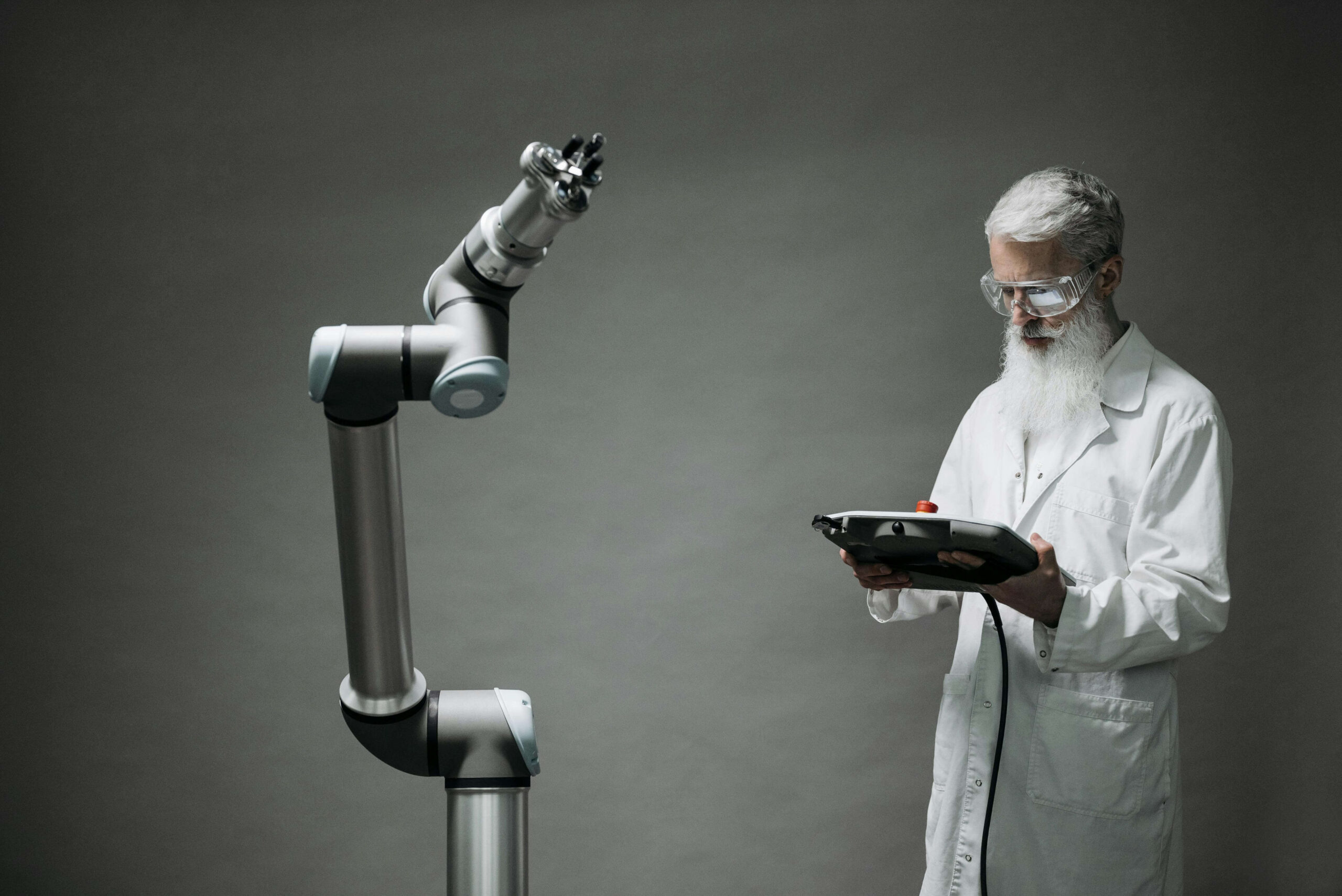
Looking ahead, the relationship between humans and technology will continue to evolve. Instead of viewing AI as a threat, it can be seen as a tool for augmentation.
A Collaborative Future
- Humans focusing on creativity, empathy, and strategy
- AI handling repetitive and data-intensive tasks
- New forms of collaboration between humans and machines
The goal should not be to compete with AI, but to work alongside it in a way that enhances human potential.
Conclusion
“Tech, AI, and thieving futures” is not just a warning—it is a call to action. While technology has the power to transform lives for the better, it also carries risks that cannot be ignored.
The future should not be something that is taken from people, but something that is built with them. By addressing issues of data ownership, job displacement, bias, and ethical responsibility, society can ensure that technological progress is both innovative and fair.
Ultimately, the question is not whether technology will shape the future—it already is. The real question is whether we will have a say in how that future unfolds.