

AI and Labor Market Impact: Artificial Intelligence (AI) is no longer a futuristic concept—it is deeply embedded in our daily lives, from recommendation systems to autonomous vehicles. One of the most transformative aspects of AI is its ability to automate prediction. Whether forecasting consumer behavior, detecting fraud, or optimizing supply chains, AI systems are increasingly taking over tasks that were once performed by humans.
However, while the technological advancements are impressive, their impact on the labor market remains ambiguous. Does AI create more jobs than it destroys? Does it empower workers or replace them? The answer, as it turns out, is not simple.
Understanding Prediction Automation
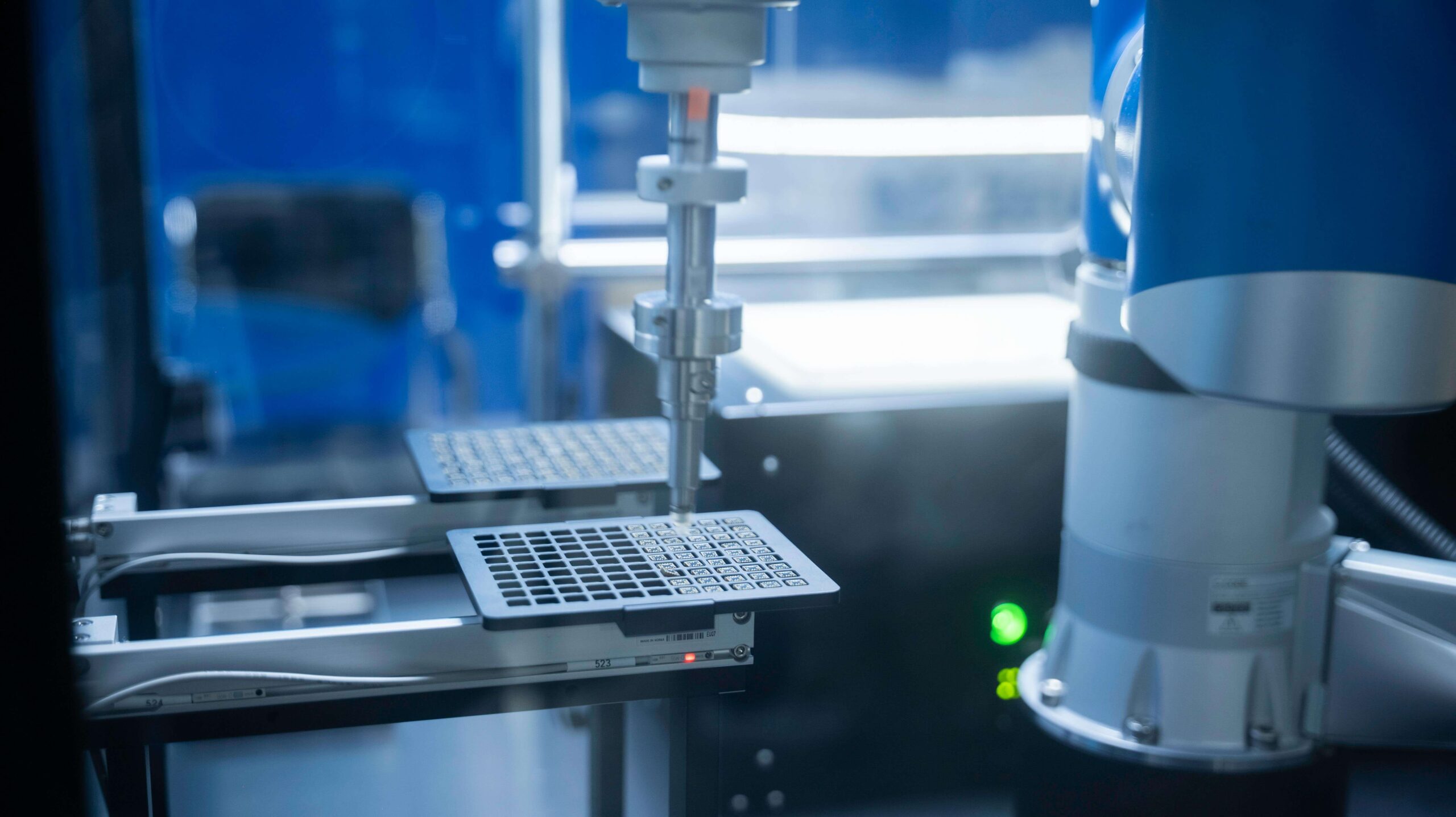
Prediction is at the heart of decision-making. Every time a human estimates what might happen next—whether it’s a doctor diagnosing a patient or a manager forecasting sales—they are making a prediction. AI excels at this task because it can analyze vast amounts of data far more efficiently than humans.
When AI automates prediction, it reduces the cost and time required to make accurate forecasts. This has significant implications for businesses, as better predictions often lead to better decisions. But it also changes the nature of work.
Traditionally, many jobs involved a combination of prediction, judgment, and action. AI primarily replaces the prediction component, leaving the other elements to humans—for now.
The Dual Nature of AI’s Impact
The labor market effects of AI-driven prediction automation can be viewed through two opposing lenses: job displacement and job creation.
1. Job Displacement
One of the most immediate concerns is that AI will replace human workers. Jobs that rely heavily on routine prediction tasks are particularly vulnerable.
For example:
- Data entry clerks
- Financial analysts performing basic forecasting
- Customer service representatives handling predictable queries
AI systems can perform these tasks faster, cheaper, and often more accurately. As a result, companies may reduce their workforce in these areas.
This phenomenon is not new—technological advancements have always displaced certain types of jobs. However, the speed and scale of AI adoption make this wave of disruption particularly intense.
2. Job Creation
On the other hand, AI also creates new opportunities. As prediction becomes cheaper, the demand for complementary tasks increases. These include:
- Data analysis and interpretation
- AI system development and maintenance
- Decision-making roles requiring human judgment
- Creative and strategic positions
For instance, when AI improves demand forecasting, companies may expand their operations, leading to more jobs in logistics, marketing, and management.
In this sense, AI does not simply eliminate jobs—it reshapes them.
The Shift in Skill Demand
One of the most significant impacts of AI is the changing demand for skills. As prediction becomes automated, the value of other human capabilities increases.
Human Judgment and Decision-Making
AI can provide predictions, but it cannot fully understand context, ethics, or long-term consequences. Humans are still needed to interpret AI outputs and make final decisions.
Creativity and Innovation
Tasks that require originality, imagination, and emotional intelligence are less likely to be automated. These skills are becoming increasingly valuable in an AI-driven economy.
Interpersonal Skills
As routine tasks are automated, jobs that involve human interaction—such as teaching, counseling, and leadership—gain importance.
Technical Skills
At the same time, there is a growing demand for technical expertise, including programming, data science, and AI system design.
Complementarity vs Substitution
A key concept in understanding AI’s labor market impact is the distinction between complementarity and substitution.
- Substitution occurs when AI replaces human labor.
- Complementarity occurs when AI enhances human productivity.
In many cases, AI acts as a complement rather than a substitute. For example, in healthcare, AI can assist doctors by providing more accurate diagnoses, allowing them to focus on patient care.
However, the balance between these two effects varies across industries and occupations. Jobs that involve routine and predictable tasks are more likely to be substituted, while those requiring complex decision-making are more likely to be complemented.
Industry-Specific Impacts
The effects of AI-driven prediction automation are not uniform—they differ across sectors.
Healthcare
AI improves diagnostic accuracy and patient outcomes, but it does not replace doctors. Instead, it changes their role, making them more efficient and data-driven.
Finance
In finance, AI automates risk assessment and trading strategies. While this reduces the need for certain roles, it increases demand for data scientists and AI specialists.
Retail
AI enhances demand forecasting, inventory management, and personalized marketing. This can lead to job losses in traditional retail roles but creates opportunities in e-commerce and digital marketing.
Manufacturing
Automation and AI improve efficiency and reduce costs, but they also reduce the need for manual labor. At the same time, new jobs emerge in system maintenance and robotics.
Wage Inequality and Polarization
One of the more concerning aspects of AI’s labor market impact is its potential to increase wage inequality.
High-skilled workers who can work alongside AI tend to benefit the most, as their productivity—and therefore their wages—increase. Meanwhile, low-skilled workers performing routine tasks may face job displacement or wage stagnation.
This can lead to a polarized labor market, where high-paying and low-paying jobs grow, but middle-income jobs decline.
The Role of Education and Reskilling
To navigate the changing labor market, education and reskilling are crucial.
Lifelong Learning
Workers must continuously update their skills to remain relevant. This includes both technical skills and soft skills.
Education Reform
Educational systems need to adapt by focusing on critical thinking, creativity, and digital literacy rather than rote learning.
Corporate Responsibility
Companies also play a role by investing in employee training and development, helping workers transition to new roles.
Policy Implications
Governments have an important role in managing the transition to an AI-driven economy.
Social Safety Nets
Policies such as unemployment benefits and job transition programs can help workers affected by automation.
Regulation
Ensuring ethical use of AI and preventing misuse is essential.
Investment in Innovation
Supporting research and development can drive economic growth and job creation.
The Human Perspective
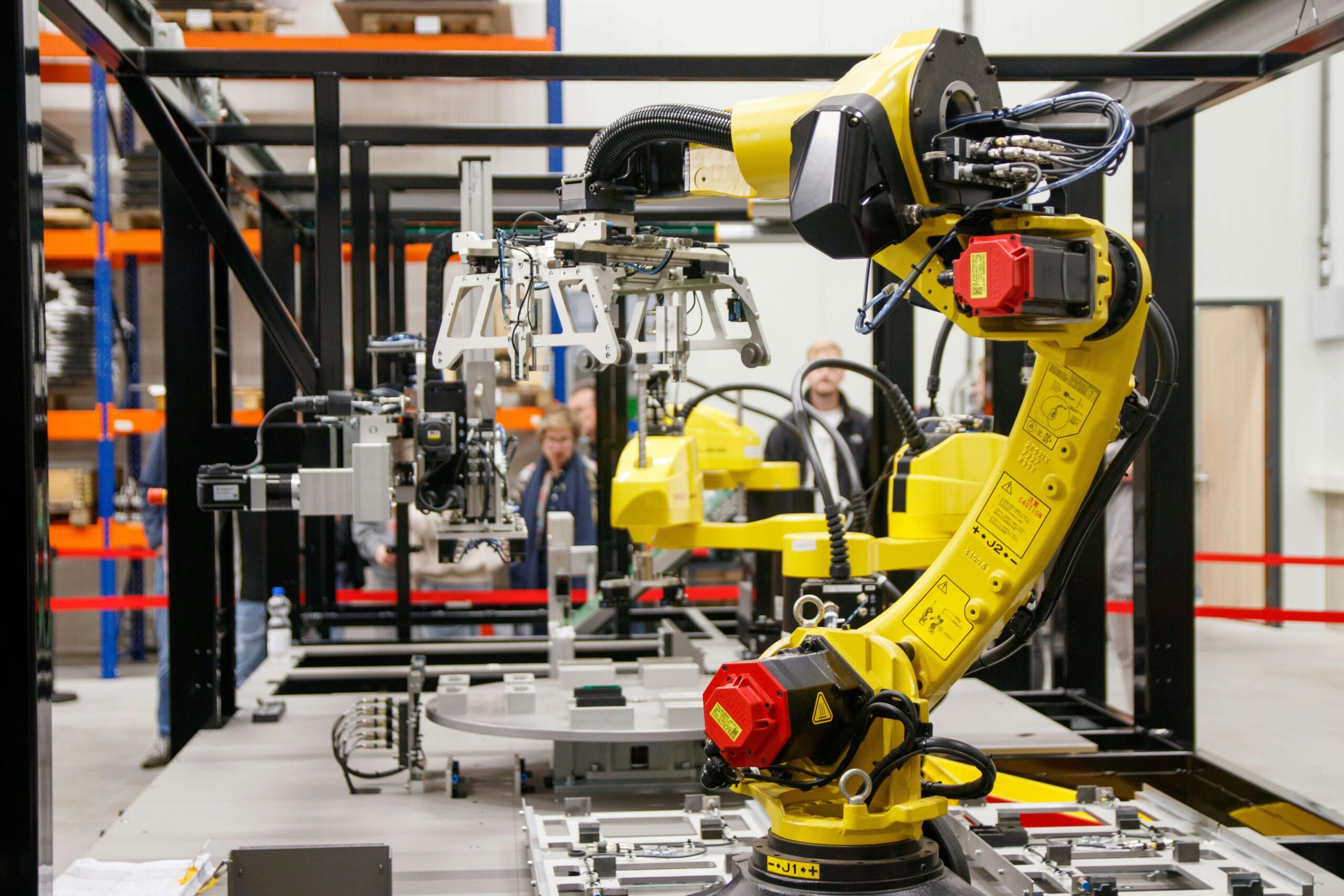
Beyond economic statistics and policy discussions, the impact of AI on the labor market is deeply personal. For many workers, the fear of job loss is real and immediate. At the same time, others see AI as an opportunity to enhance their capabilities and pursue more meaningful work.
The key challenge lies in ensuring that the benefits of AI are distributed fairly. Technology should not widen the gap between different groups of workers but should instead create opportunities for all.
Conclusion
The automation of prediction through Artificial Intelligence presents a complex and ambiguous picture for the labor market. It has the potential to both disrupt and create jobs, to increase productivity while also exacerbating inequality.
Rather than viewing AI as purely a threat or an opportunity, it is more accurate to see it as a transformative force. Its impact depends on how businesses, governments, and individuals respond to the changes it brings.
By focusing on education, adaptability, and inclusive policies, society can harness the power of AI to create a future where technology and human potential work hand in hand. In this evolving landscape, the goal should not be to compete with AI, but to collaborate with it, shaping a labor market that is not only efficient but also equitable and human-centered.