

Artificial Intelligence and Robotization: The world is standing at the edge of a technological transformation where machines are no longer just tools—they are becoming intelligent partners. The combination of Artificial Intelligence (AI) and robotization is reshaping how we live, work, and interact with the world around us. From factories to hospitals, from homes to outer space, intelligent machines are taking on roles that once seemed exclusively human.
But what does this transformation really mean? Is it a story of progress, or a challenge to human identity and employment? The answer lies somewhere in between.
Understanding AI and Robotization
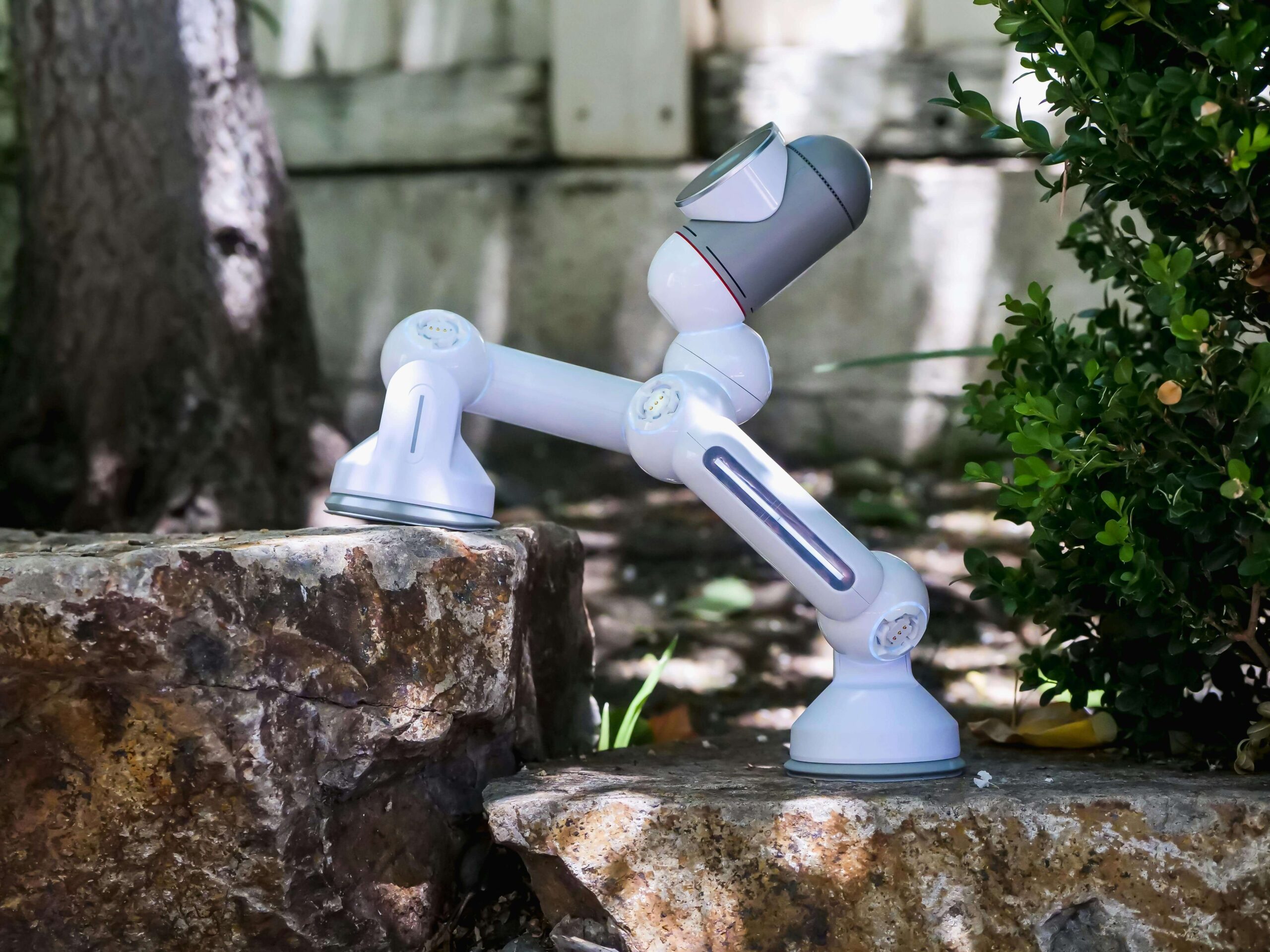
Artificial Intelligence refers to the ability of machines to simulate human intelligence—learning from data, recognizing patterns, making decisions, and even improving over time. Robotization, on the other hand, involves the use of physical machines (robots) to perform tasks automatically.
When these two technologies combine, the result is powerful: robots that don’t just follow instructions but think, adapt, and respond to their environment.
For example, a traditional robot in a factory might repeat the same movement endlessly. But an AI-powered robot can adjust its actions based on real-time data, detect errors, and optimize performance without human intervention.
The Evolution of Intelligent Machines
The journey of robotization began with simple mechanical devices designed to reduce manual labor. Over time, advancements in computing and data processing led to more sophisticated systems.
Today, AI-driven robots are capable of:
- Understanding human speech
- Recognizing objects and faces
- Navigating complex environments
- Learning from experience
This evolution has transformed robots from rigid machines into flexible, intelligent systems capable of working alongside humans.
Applications Across Industries
The integration of AI and robotization is not limited to one sector—it is influencing nearly every industry.
Manufacturing
Manufacturing is one of the earliest adopters of robotization. AI-powered robots are now used for assembly, quality control, and packaging. These robots can work continuously without fatigue, increasing productivity and reducing errors.
Smart factories use interconnected systems where robots communicate with each other, optimizing the entire production process.
Healthcare
In healthcare, robots assist in surgeries, patient care, and diagnostics. AI enables these machines to analyze medical data, helping doctors make more accurate decisions.
Robotic surgical systems allow for precision that is difficult to achieve manually, reducing recovery time and improving outcomes.
Agriculture
Farmers are using AI-powered robots for planting, harvesting, and monitoring crops. These systems can analyze soil conditions, detect diseases, and optimize resource usage, leading to higher yields and sustainable farming practices.
Logistics and Transportation
Autonomous vehicles and delivery robots are revolutionizing logistics. AI helps these systems navigate roads, avoid obstacles, and deliver goods efficiently.
Warehouses are increasingly automated, with robots handling sorting, packing, and inventory management.
Service Industry
In restaurants, hotels, and retail stores, robots are being used to serve customers, manage inventory, and provide assistance. While still evolving, these applications demonstrate the growing presence of robots in everyday life.
Human-Robot Collaboration
One of the most important aspects of AI and robotization is collaboration rather than replacement. The concept of “cobots” (collaborative robots) highlights this shift.
Cobots are designed to work alongside humans, enhancing productivity rather than replacing workers. For example:
- In factories, cobots assist workers with heavy lifting
- In offices, AI systems handle repetitive tasks, allowing employees to focus on strategic work
- In healthcare, robots support doctors and nurses rather than replacing them
This partnership creates a balance where machines handle efficiency, and humans contribute creativity and empathy.
Benefits of AI and Robotization
The integration of AI and robotics brings numerous advantages:
Increased Efficiency
Machines can perform tasks faster and more accurately than humans, reducing time and cost.
Improved Safety
Robots can take on dangerous tasks, such as working in hazardous environments, reducing risks for human workers.
Enhanced Precision
In fields like surgery and manufacturing, precision is critical. AI-powered robots can achieve levels of accuracy beyond human capability.
Economic Growth
Automation can boost productivity, leading to economic expansion and the creation of new industries.
Better Quality of Life
By automating routine tasks, AI and robots free up time for people to focus on more meaningful activities.
Challenges and Concerns
Despite the benefits, the rise of AI and robotization also raises important concerns.
Job Displacement
One of the biggest fears is that robots will replace human workers, particularly in routine and manual jobs. While new jobs may be created, the transition can be difficult for many workers.
Ethical Issues
As machines become more autonomous, questions arise about responsibility and decision-making. Who is accountable if an AI-powered robot makes a mistake?
High Costs
Developing and deploying advanced robotic systems can be expensive, limiting access for smaller businesses.
Dependence on Technology
Over-reliance on machines can make systems vulnerable to failures or cyberattacks.
Privacy and Security
AI systems often rely on large amounts of data, raising concerns about how that data is collected, stored, and used.
The Future of Work
The workplace of the future will look very different from today. Rather than replacing humans entirely, AI and robotization will redefine roles.
Workers will need to adapt by developing new skills, particularly in areas such as:
- Technology and data analysis
- Problem-solving and critical thinking
- Creativity and innovation
- Emotional intelligence
Education systems and organizations must evolve to prepare individuals for this changing landscape.
Ethical and Social Responsibility
As AI and robotization continue to advance, it is essential to ensure that these technologies are used responsibly.
Governments, companies, and researchers must work together to:
- Develop ethical guidelines for AI use
- Protect workers affected by automation
- Ensure fair distribution of benefits
- Promote transparency and accountability
Technology should serve humanity, not the other way around.
A Human-Centered Approach
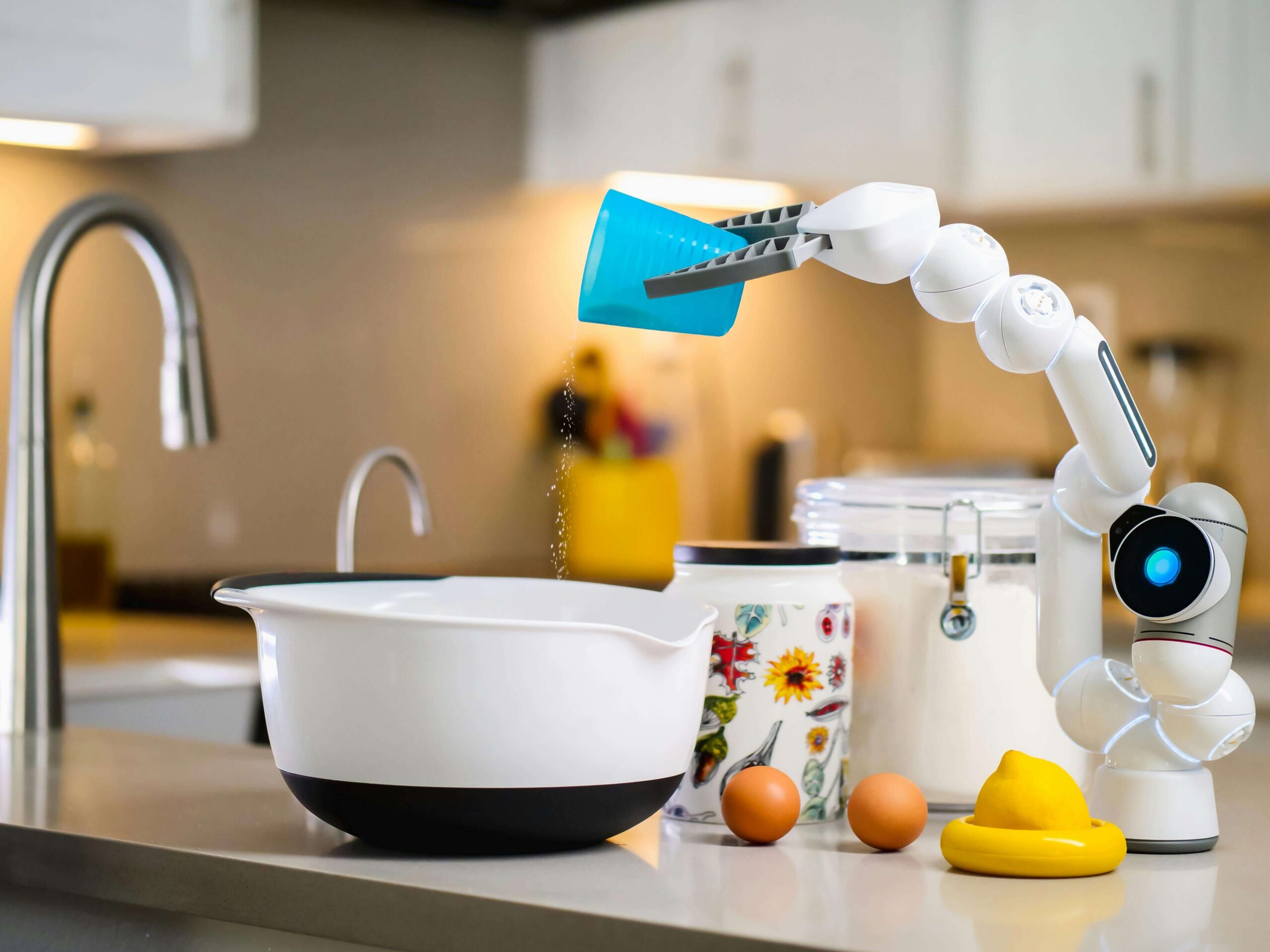
At its core, the story of AI and robotization is not just about machines—it’s about people. The goal should not be to create a world dominated by robots, but to build a future where technology enhances human potential.
Imagine a world where:
- Dangerous jobs are handled by robots
- Healthcare is more accessible and accurate
- People have more time for creativity and relationships
This vision is possible if we approach AI and robotization with a human-centered mindset.
Conclusion
Artificial Intelligence and robotization are transforming the world in profound ways. They are increasing efficiency, improving safety, and opening new possibilities across industries. At the same time, they bring challenges that require careful consideration and thoughtful action.
The impact of these technologies is not predetermined—it depends on how we choose to use them. By focusing on collaboration, ethical practices, and continuous learning, we can ensure that AI and robotization lead to a future that is not only technologically advanced but also inclusive and humane.
In the end, the true power of AI and robotization lies not in replacing humans, but in empowering them—creating a world where machines and people work together to achieve more than either could alone.