

Nostalgic Marketing in Brand Resurrection: In today’s fast-moving marketplace, where new brands emerge almost daily, something interesting is happening—old brands are making a comeback. From classic snack labels to vintage fashion houses, dormant brands are being revived and reintroduced to modern audiences. But bringing a forgotten brand back to life is not just about relaunching products; it’s about reconnecting with emotions. This is where nostalgic marketing becomes a powerful tool.
Nostalgia has a unique way of bridging the past and the present. It reminds consumers of simpler times, childhood memories, and emotional connections that go beyond product features. When used strategically, nostalgia can transform a dormant brand into a meaningful and desirable one again.
Understanding Dormant Brands
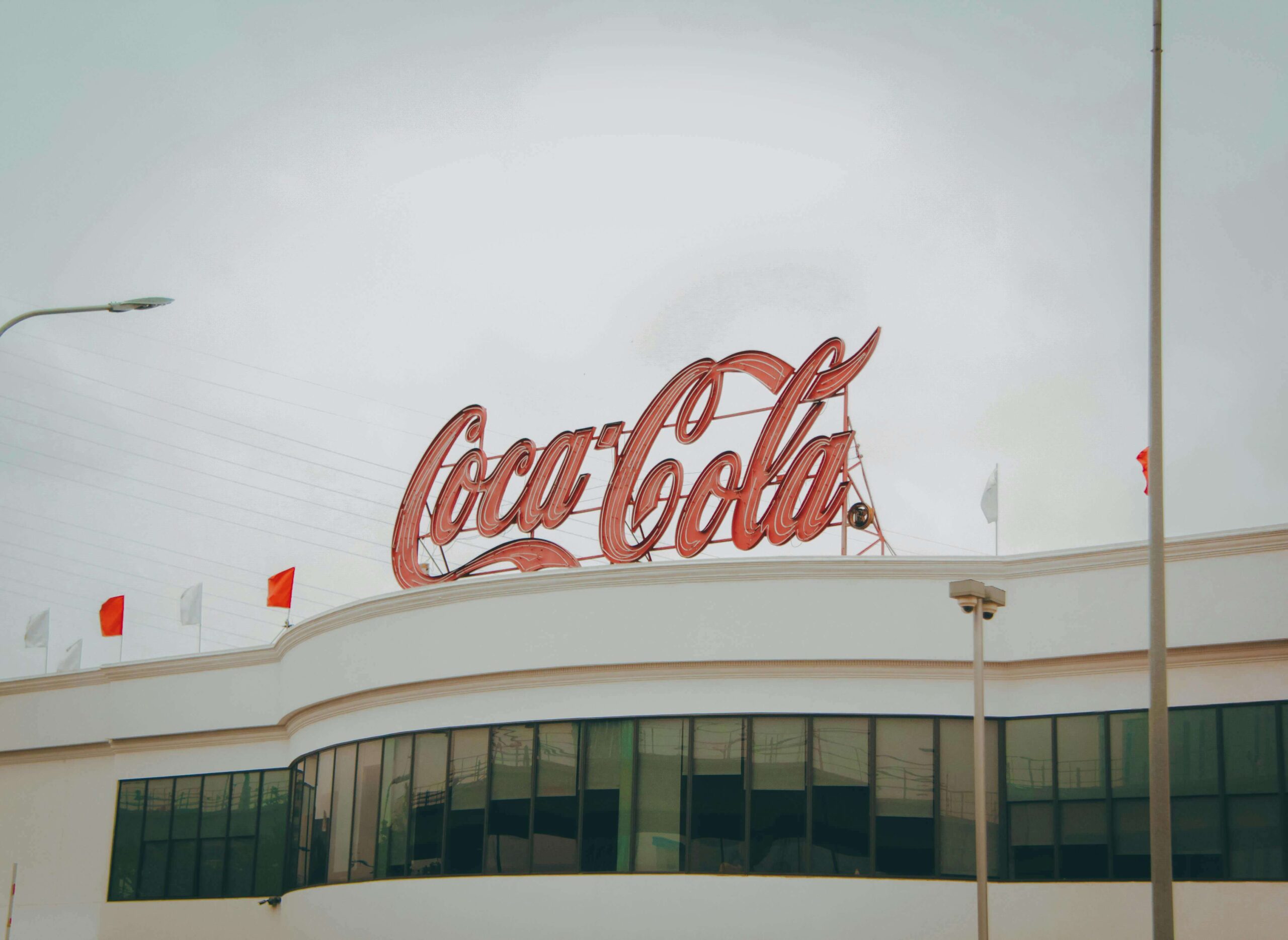
A dormant brand is one that has lost visibility, relevance, or market presence over time. This may happen due to changing consumer preferences, technological disruption, or poor management decisions. However, dormancy does not always mean failure. Many such brands still hold emotional value in the minds of consumers.
These brands often carry a legacy—stories, symbols, and experiences that once resonated with people. Reviving them requires more than just a modern redesign; it requires rediscovering what made them special in the first place.
The Power of Nostalgia in Marketing
Nostalgia is more than just remembering the past—it’s about reliving emotions. Psychological studies suggest that nostalgic feelings can increase happiness, strengthen social connections, and even influence purchasing behavior.
When a brand taps into nostalgia, it creates a sense of familiarity and trust. Consumers are more likely to engage with a brand that reminds them of positive memories. This emotional connection can be especially powerful in uncertain times, where people seek comfort in the familiar.
For dormant brands, nostalgia acts as a bridge that reconnects them with their original audience while also attracting new customers who are curious about their legacy.
Reconstructing Brand Identity
The first step in resurrecting a dormant brand is reconstructing its identity. This involves analyzing its history, values, and visual elements. What did the brand stand for? What made it unique? Which aspects can still resonate today?
Rather than copying the past exactly, successful nostalgic marketing blends old and new. For example, a brand may retain its original logo or color scheme while updating its messaging to reflect modern values.
This balance ensures that the brand feels authentic without appearing outdated.
Storytelling as a Core Strategy
At the heart of nostalgic marketing lies storytelling. Consumers are not just buying products—they are buying stories. A resurrected brand must communicate its journey, from its origins to its revival.
Storytelling can take many forms, such as:
- Sharing archival photos and advertisements
- Highlighting milestones and achievements
- Featuring testimonials from long-time customers
These narratives help humanize the brand and make it relatable. They also create a sense of continuity, showing that the brand’s legacy is still alive.
Targeting Multiple Generations
One of the unique challenges of nostalgic marketing is addressing different audiences. Older consumers may have direct memories of the brand, while younger audiences may encounter it for the first time.
To appeal to both groups, marketers must adopt a dual approach:
- For older audiences: Emphasize authenticity and emotional connection
- For younger audiences: Highlight uniqueness, retro appeal, and storytelling
By doing so, the brand can create a shared experience that transcends generations.
Leveraging Modern Platforms
While nostalgia is rooted in the past, its execution must be modern. Digital platforms such as social media, streaming services, and e-commerce play a crucial role in brand resurrection.
Platforms like Instagram and TikTok are particularly effective for nostalgic marketing. They allow brands to recreate vintage aesthetics, share throwback content, and engage with audiences in creative ways.
User-generated content can also amplify nostalgia. Encouraging customers to share their memories and experiences with the brand can create a sense of community and authenticity.
Product Revival and Innovation
A key aspect of resurrecting a dormant brand is reintroducing its products. However, simply bringing back old products may not be enough. Consumer expectations have evolved, and products must meet modern standards of quality, sustainability, and functionality.
This requires a careful balance between preserving the essence of the original product and incorporating innovation. For example:
- Updating ingredients to meet health standards
- Using sustainable packaging
- Enhancing functionality while maintaining design
This approach ensures that the product feels both familiar and relevant.
Emotional Branding and Consumer Trust
Nostalgic marketing is deeply tied to emotional branding. By evoking positive memories, brands can build trust and loyalty more effectively than through traditional advertising.
However, this strategy must be authentic. Consumers can quickly detect when nostalgia is being used superficially. A successful campaign must genuinely respect the brand’s history and values.
Authenticity also involves transparency. Brands should acknowledge their past, including any challenges or failures, and demonstrate how they have evolved.
Challenges in Nostalgic Marketing
While nostalgic marketing offers many advantages, it also comes with risks.
One major challenge is over-reliance on the past. If a brand focuses too much on nostalgia, it may struggle to remain relevant in the present.
Another issue is misalignment with modern values. Some aspects of a brand’s history may not align with contemporary social or cultural norms. Marketers must carefully evaluate which elements to retain and which to update.
Additionally, there is the risk of limited appeal. Nostalgia may resonate strongly with a specific audience but fail to attract others. This makes it important to integrate nostalgia with broader marketing strategies.
Case for Strategic Balance
The success of nostalgic marketing lies in balance. It is not about living in the past but about using the past to enrich the present.
A well-executed strategy combines:
- Emotional storytelling
- Modern design and technology
- Audience engagement
- Product innovation
This holistic approach ensures that the brand is not just revived but reimagined for the future.
The Future of Brand Resurrection
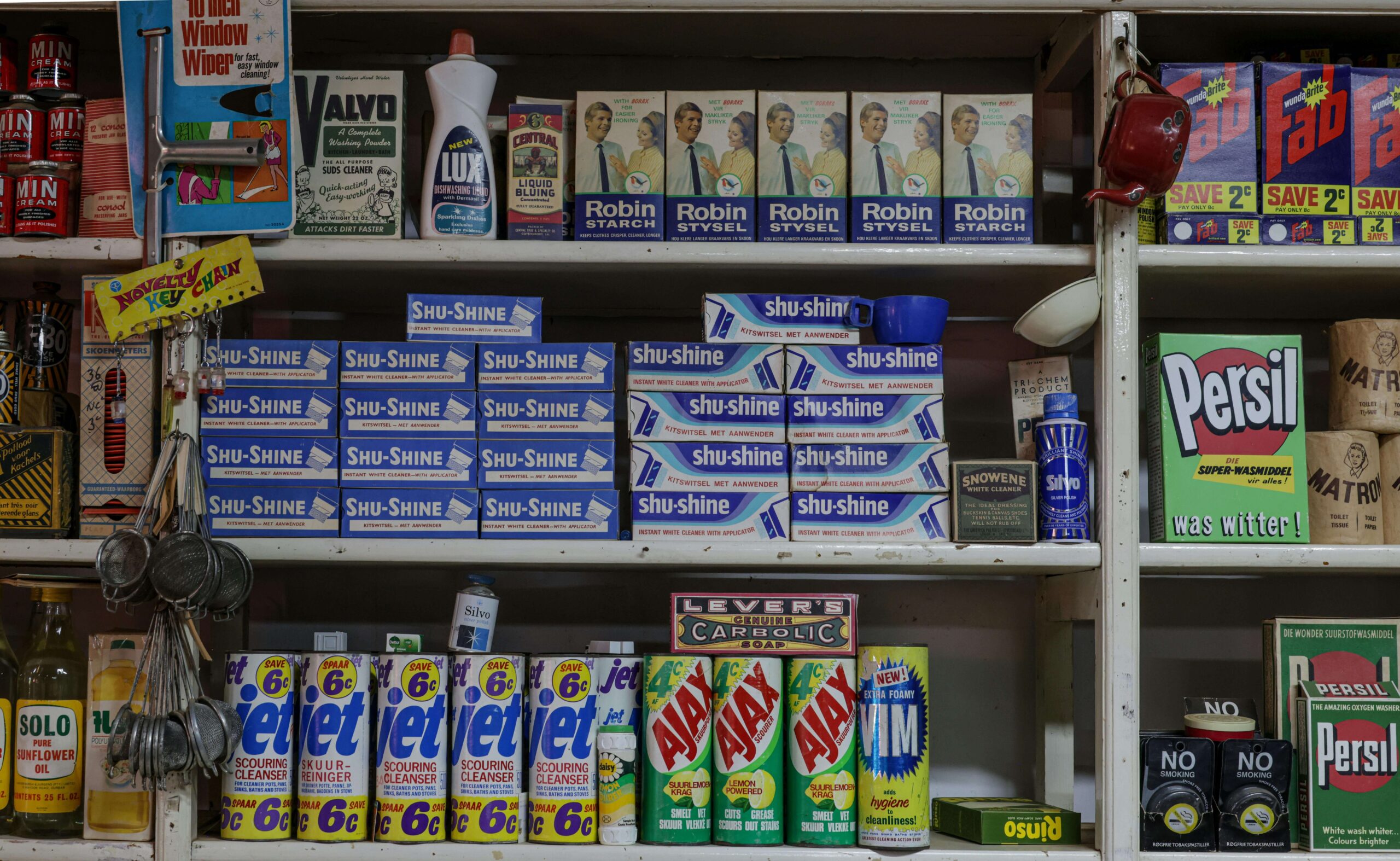
As markets become increasingly competitive, the resurrection of dormant brands will likely continue to grow. Nostalgic marketing provides a unique opportunity to stand out by offering something that new brands cannot—heritage.
In the future, we may see more brands leveraging data analytics to identify nostalgic trends and tailor their campaigns accordingly. Virtual reality and augmented reality could also play a role in recreating past experiences in immersive ways.
Ultimately, the brands that succeed will be those that understand nostalgia not as a tactic, but as a meaningful connection with their audience.
Conclusion
Constructing nostalgic marketing in a dormant brand resurrection is both an art and a strategy. It requires a deep understanding of history, emotions, and modern consumer behavior.
By blending authenticity with innovation, brands can reconnect with their past while building a strong future. Nostalgia, when used thoughtfully, becomes more than just a marketing tool—it becomes a bridge between generations, a source of comfort, and a driver of lasting loyalty.
In a world constantly chasing the new, sometimes the most powerful way forward is to look back—and bring the best of the past along for the journey.