

Electric vehicles are transforming the future of transportation by reducing emissions and improving energy efficiency. As the automotive industry evolves, Generative AI in Electric Vehicles is accelerating innovation through smarter vehicle design, battery optimization, predictive maintenance, and intelligent manufacturing. By combining AI with sustainable mobility, manufacturers can improve performance, lower production costs, and create safer, more efficient electric vehicles for the future.
The Rise of Electric Vehicles
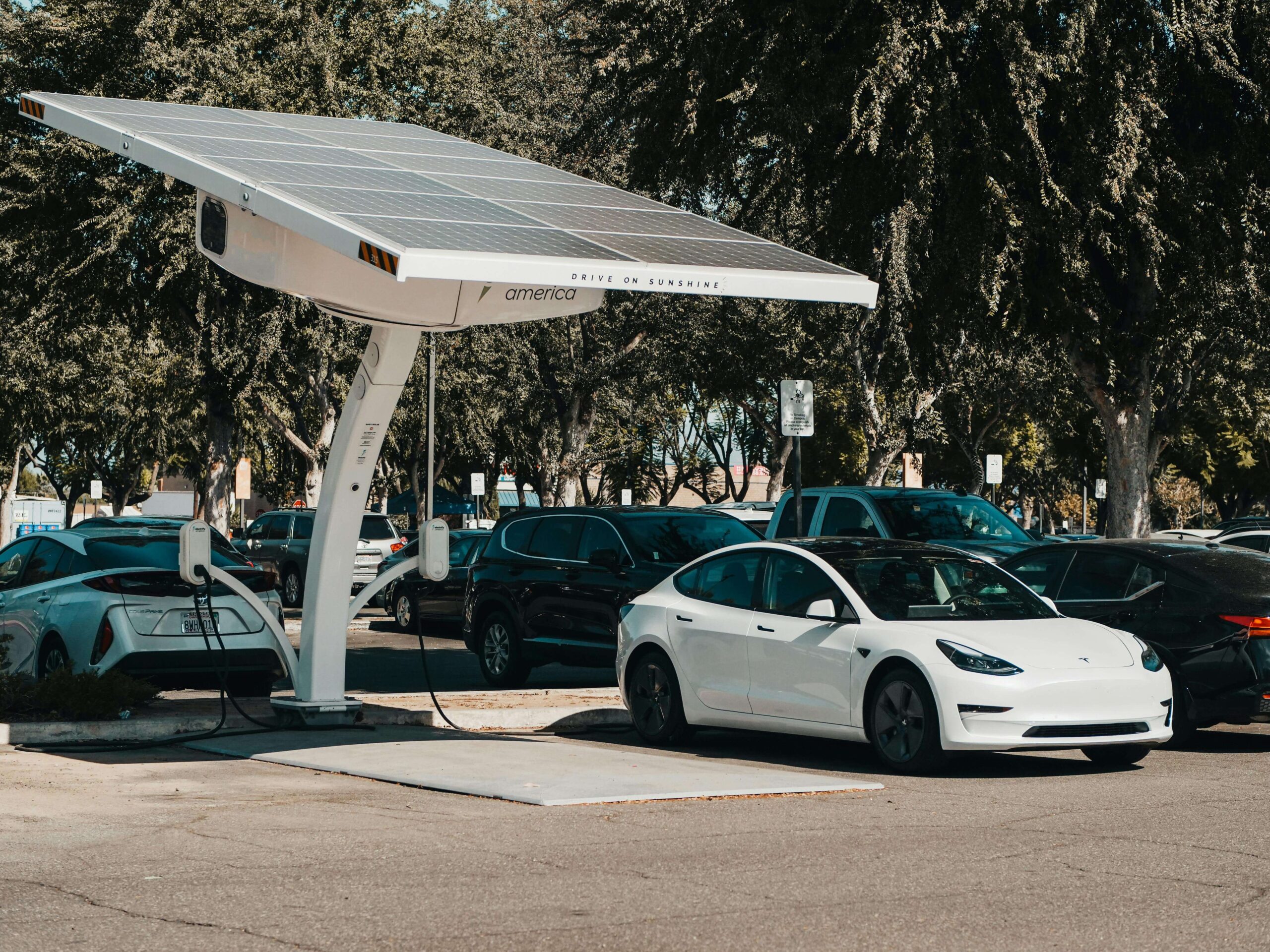
Electric vehicles have become increasingly popular in recent years due to growing environmental awareness and technological advancements. Unlike traditional vehicles that rely on internal combustion engines, EVs are powered by electricity stored in rechargeable batteries.
Electric Vehicle produces zero tailpipe emissions, making it a cleaner transportation option.
Governments around the world are promoting EV adoption through incentives, infrastructure development, and environmental regulations.
Automakers are also investing heavily in electric vehicle technology. Companies like Tesla have played a major role in accelerating the transition toward electric mobility.
However, several challenges still remain, including battery performance, vehicle design efficiency, and charging infrastructure. Generative AI may help address many of these issues.
AI-Driven Vehicle Design
One of the most exciting applications of generative AI in electric vehicles is design optimization.
Designing a vehicle involves balancing multiple factors such as weight, aerodynamics, safety, performance, and energy efficiency. Traditional engineering methods often require extensive testing and experimentation.
Generative AI can analyze thousands of design possibilities and propose innovative solutions that engineers might not have considered.
For example, AI can generate lightweight structural designs that maintain strength while reducing material usage. Lighter vehicles consume less energy, which improves driving range and efficiency.
By accelerating the design process, generative AI allows manufacturers to develop new EV models more quickly and effectively.
Battery Innovation and Energy Efficiency
Battery technology is one of the most critical components of electric vehicles. The performance, cost, and lifespan of EV batteries significantly influence the overall success of electric mobility.
Generative AI can help researchers analyze chemical compositions and battery structures to identify new materials that improve battery capacity and durability.
AI systems can simulate thousands of possible battery configurations and predict which ones are most likely to perform well under different conditions.
This capability can speed up the discovery of advanced battery technologies, leading to longer driving ranges and faster charging times.
Improved battery efficiency also helps reduce the environmental impact of battery production.
Smart Manufacturing and Production
The integration of generative AI into manufacturing processes can improve how electric vehicles are produced.
AI systems can analyze factory operations, optimize production workflows, and identify ways to reduce material waste.
For example, generative design algorithms can recommend more efficient component structures that require fewer raw materials while maintaining performance standards.
These improvements help reduce production costs and make EVs more affordable for consumers.
Automotive companies are increasingly investing in AI-driven manufacturing technologies to improve productivity and maintain competitive advantages in the rapidly growing EV market.
Autonomous Driving and Intelligent Systems
Another area where generative AI may influence electric vehicles is autonomous driving technology.
Autonomous vehicles rely on complex AI systems to interpret sensor data, recognize objects, and make driving decisions.
Generative AI can assist in training these systems by generating simulated driving scenarios that help improve machine learning models.
These simulations allow developers to test autonomous systems in thousands of virtual environments before deploying them in real-world conditions.
As EV technology and autonomous driving systems evolve together, future vehicles may become safer, smarter, and more efficient.
Personalized Driving Experiences
Generative AI also has the potential to enhance the user experience for electric vehicle owners.
AI-powered systems inside vehicles could analyze driver preferences and generate personalized settings for climate control, navigation, and entertainment.
For example, an AI system might automatically suggest optimal routes based on battery range, traffic conditions, and charging station availability.
These intelligent systems could improve comfort and convenience for drivers while maximizing vehicle efficiency.
Personalized AI assistants may become a standard feature in next-generation electric vehicles.
Improving Charging Infrastructure
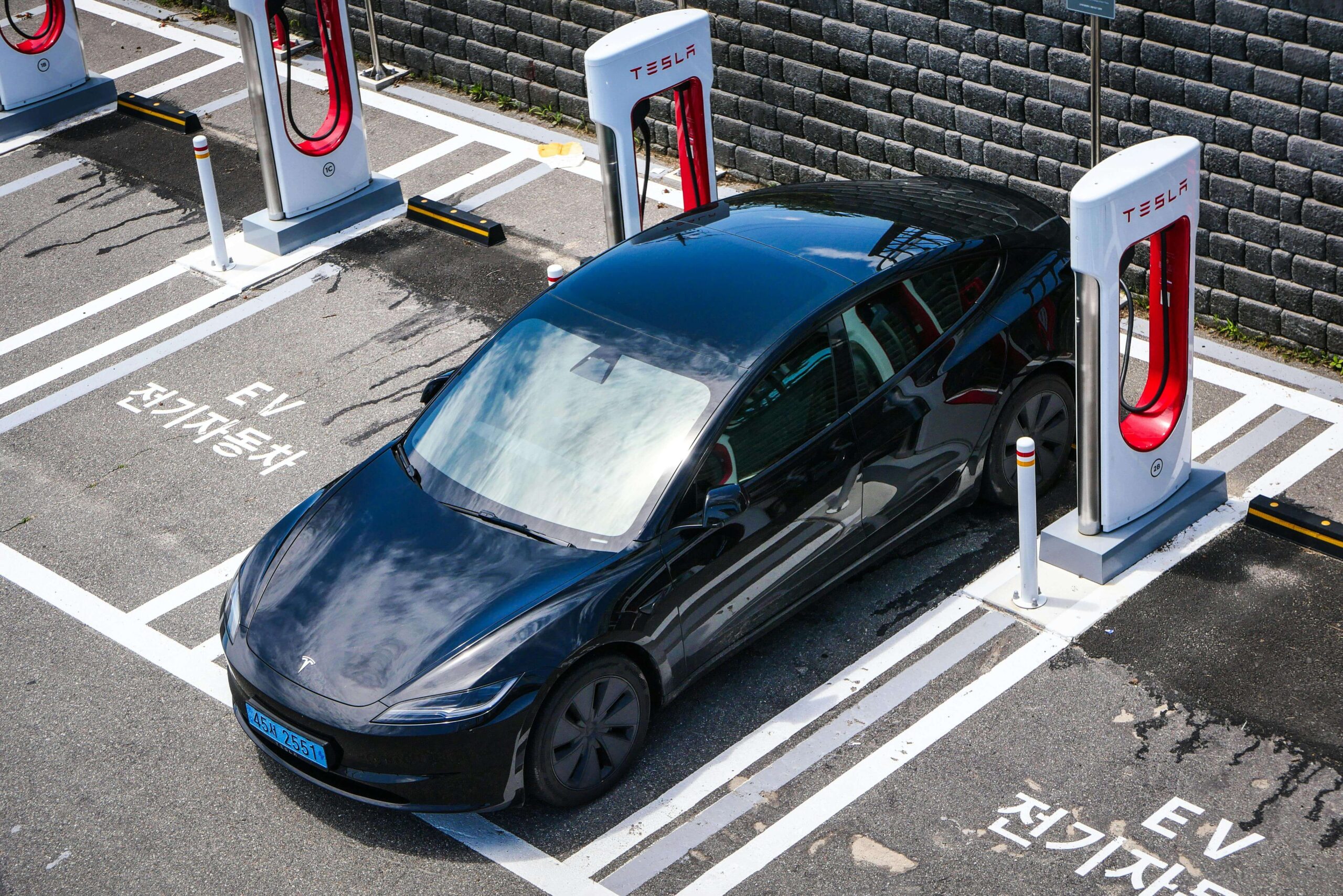
One of the key challenges facing EV adoption is the availability and efficiency of charging infrastructure.
Generative AI can analyze geographic data, traffic patterns, and energy demand to identify optimal locations for new charging stations.
By predicting future charging needs, AI systems can help governments and companies build infrastructure that supports growing EV adoption.
Smart charging systems powered by AI could also manage electricity demand more efficiently by scheduling charging times based on grid capacity and energy availability.
These innovations would help ensure that electric vehicles integrate smoothly into existing energy systems.
Environmental Impact and Sustainability
The environmental benefits of electric vehicles extend beyond reducing carbon emissions during driving.
Generative AI can also contribute to sustainability by optimizing material usage and improving recycling processes.
For example, AI models can analyze vehicle components and identify ways to design parts that are easier to recycle at the end of a vehicle’s life cycle.
Improving recycling efficiency reduces waste and conserves valuable materials used in EV batteries and electronic components.
As sustainability becomes a priority for governments and industries, AI-driven innovation may play a key role in creating environmentally responsible transportation systems.
Challenges and Ethical Considerations
Despite the promising future of generative AI in electric vehicles, several challenges must be addressed.
One challenge involves data security. AI-powered vehicle systems rely on large amounts of data, which must be protected from cyber threats.
Another concern is the cost of implementing advanced AI technologies in vehicle development and production.
There are also ethical questions related to autonomous driving decisions and the responsibility of AI systems in complex traffic situations.
Addressing these issues will require collaboration between engineers, policymakers, and technology experts.
The Future of AI-Powered Electric Mobility
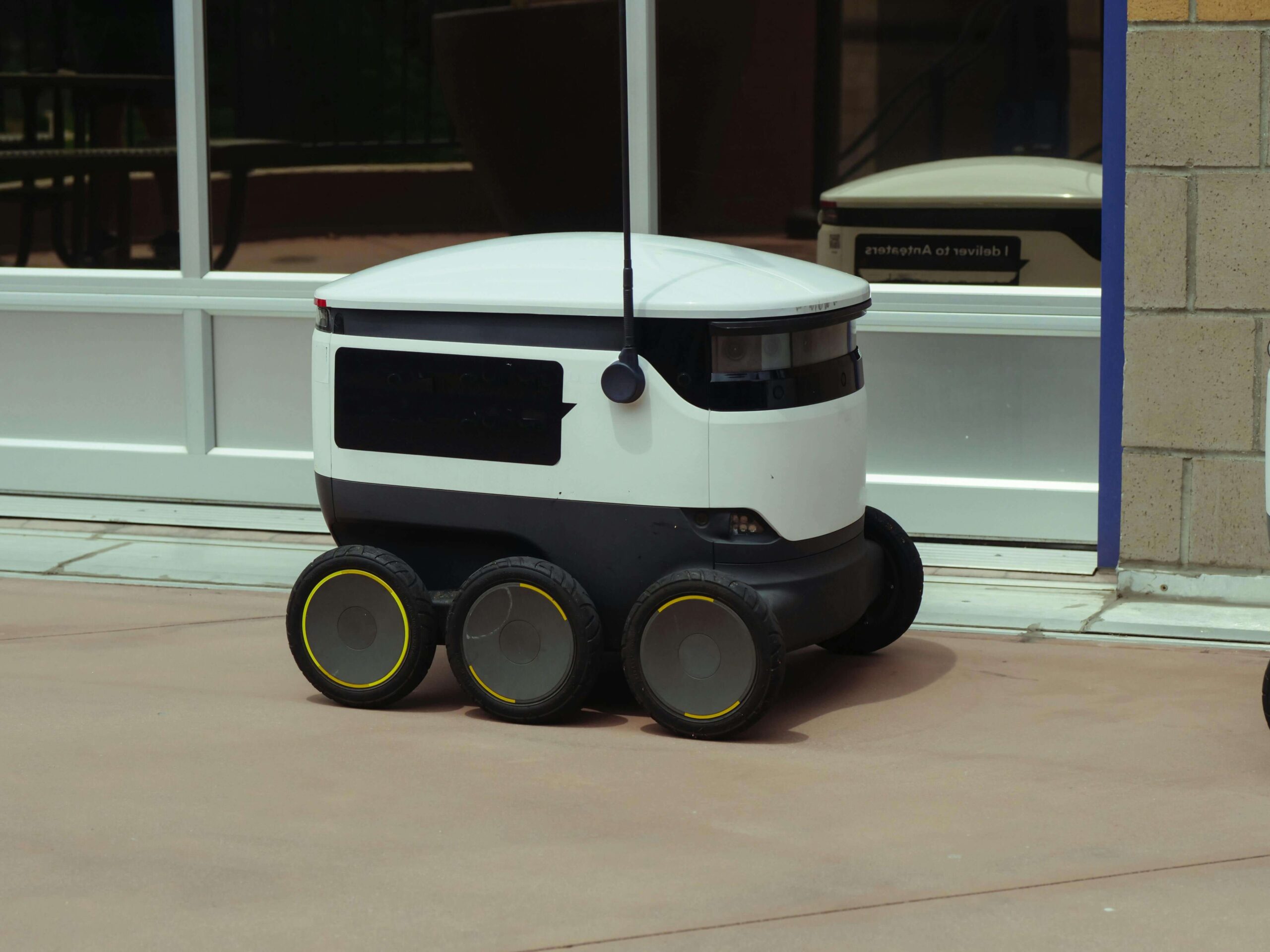
The combination of generative AI and electric vehicle technology has the potential to reshape the future of transportation.
In the coming decades, we may see vehicles that are:
-
More energy-efficient and environmentally friendly
-
Designed using advanced AI optimization techniques
-
Integrated with intelligent driving systems
-
Connected to smart energy and transportation networks
Automakers, technology companies, and research institutions are already exploring these possibilities.
As innovation continues, the integration of artificial intelligence into electric mobility could accelerate the global transition toward sustainable transportation.
Frequently Asked Questions
Q:What is Generative AI in electric vehicles?
A:AI that improves EV development.
Q:How does AI improve EV batteries?
A:It optimizes battery performance.
Q:Can AI make electric vehicles safer?
A:Yes, through smarter systems.
Q:What are the benefits of AI in EV manufacturing?
A:Faster, cheaper, and smarter production.
Q:What challenges does AI face in electric vehicles?
A:Cost, security, and regulations.
Q:What is the future of AI-powered electric vehicles?
A:Smarter, safer, and more efficient EVs.
Key Takeaways
- Generative AI speeds up EV design and development.
- AI improves battery performance and energy efficiency.
- Smart manufacturing reduces production costs and waste.
- Human oversight ensures safe and reliable AI systems.
- AI will play a central role in future sustainable transportation.
Conclusion
Generative AI in Electric Vehicles is reshaping the automotive industry through intelligent design, advanced battery technologies, and smarter manufacturing processes. As AI capabilities continue to evolve, automakers can build safer, more efficient, and environmentally friendly vehicles. Combining AI innovation with responsible development will accelerate the future of sustainable transportation.