

Artificial intelligence is transforming digital storytelling by converting written stories into engaging visual content. AI Comic Strip Generation uses generative AI to analyze text, create characters, design scenes, and organize them into sequential comic panels. This technology helps writers, educators, marketers, and content creators produce high-quality comic strips quickly while reducing design time and costs. As AI continues to evolve, it is making visual storytelling more creative, scalable, and accessible than ever before.
The Evolution of Comic Creation

Comic strips have traditionally required collaboration between writers and illustrators. Writers develop the story and dialogue, while artists create characters, backgrounds, and visual scenes.
Comic Strip has historically been a labor-intensive creative process.
Artists often spend hours designing characters, drawing panels, and arranging scenes to match the narrative flow.
However, modern digital tools have simplified parts of this process. Graphic design software allows artists to create digital illustrations and edit comic panels more efficiently.
The introduction of AI-driven systems represents the next major step in this evolution. Instead of manually designing every visual element, creators can now use AI tools to generate artwork based on written descriptions.
How AI Generates Comic Strips from Stories
AI-driven comic strip generation typically involves multiple steps. The process begins with a written story or script provided by the user.
AI systems analyze the text to understand key elements such as:
-
Characters
-
Actions
-
Dialogue
-
Emotions
-
Scene settings
After analyzing the story, the AI generates visual scenes that match the narrative.
For example, if a story describes a superhero rescuing someone in a city, the AI can generate panels showing the hero, the environment, and the action taking place.
Dialogue from the story can be automatically placed into speech bubbles, creating a complete comic panel.
This process transforms traditional storytelling into a visual experience within minutes.
The Role of Natural Language Processing
One of the technologies that enables AI-driven comic generation is natural language processing.
Natural Language Processing allows AI systems to interpret written stories and extract meaningful information.
For example, NLP models can identify characters, locations, and actions within a story.
Once these elements are recognized, the AI can match them with visual representations generated by image models.
This combination of language understanding and image generation is what allows AI to transform stories into comic strips.
Benefits for Writers and Artists
AI-driven comic generation offers several advantages for creative professionals.
First, it reduces the time required to produce visual content. Writers who may not have drawing skills can now transform their stories into comics without needing extensive artistic training.
Second, AI tools allow artists to experiment with different visual styles quickly. By adjusting prompts or descriptions, creators can generate multiple variations of the same scene.
Third, these tools make comic creation more accessible to independent creators and small studios.
For example, digital platforms such as Webtoon have made it easier for artists to distribute their work to global audiences.
AI-driven tools could further expand opportunities for new creators by simplifying the production process.
Enhancing Creativity with AI Collaboration
One common misconception is that AI replaces human creativity. In reality, AI often functions as a creative assistant rather than a replacement.
Artists and writers can use AI-generated visuals as inspiration or starting points for their work.
For example, a writer might generate a rough comic layout using AI and then refine the illustrations manually.
Similarly, artists can use AI to brainstorm character designs or explore different visual concepts.
This collaborative relationship between human creativity and AI technology can lead to innovative storytelling approaches.
Applications Beyond Entertainment
While comic generation is primarily associated with entertainment, it also has applications in other fields.
Educational institutions can use AI-generated comics to explain complex topics in a simple and engaging way.
For instance, teachers may create comic stories that illustrate scientific concepts, historical events, or social issues.
Businesses may also use comic-style visuals for marketing campaigns or training materials.
Visual storytelling often makes information easier to understand and remember.
By combining narrative and imagery, AI-generated comics can communicate ideas more effectively than traditional text alone.
Challenges and Limitations
Despite its potential, AI-driven comic generation also faces several challenges.
One challenge is maintaining artistic quality and originality. AI-generated images may sometimes lack the nuanced style and emotional expression that human artists bring to their work.
Another challenge involves copyright and intellectual property issues. AI models are often trained on large datasets of images, which may include copyrighted artwork.
Creators and developers must ensure that AI-generated content respects the rights of original artists.
Additionally, there are ethical concerns about the potential misuse of AI-generated visuals.
Organizations such as World Intellectual Property Organization emphasize the importance of protecting creative works in the digital age.
Balancing innovation with ethical responsibility will be essential as AI tools become more widely used.
The Future of AI-Generated Comics
As AI technology continues to advance, the capabilities of comic generation systems are expected to improve significantly.
Future AI tools may be able to:
-
Generate fully animated comic sequences
-
Create characters with consistent visual identities across multiple panels
-
Adapt art styles based on user preferences
-
Generate interactive comics where readers influence the story
These developments could blur the boundaries between comics, animation, and video games.
AI-generated storytelling may also allow audiences to participate directly in the creation process by customizing characters and narratives.
Human Creativity in the AI Era
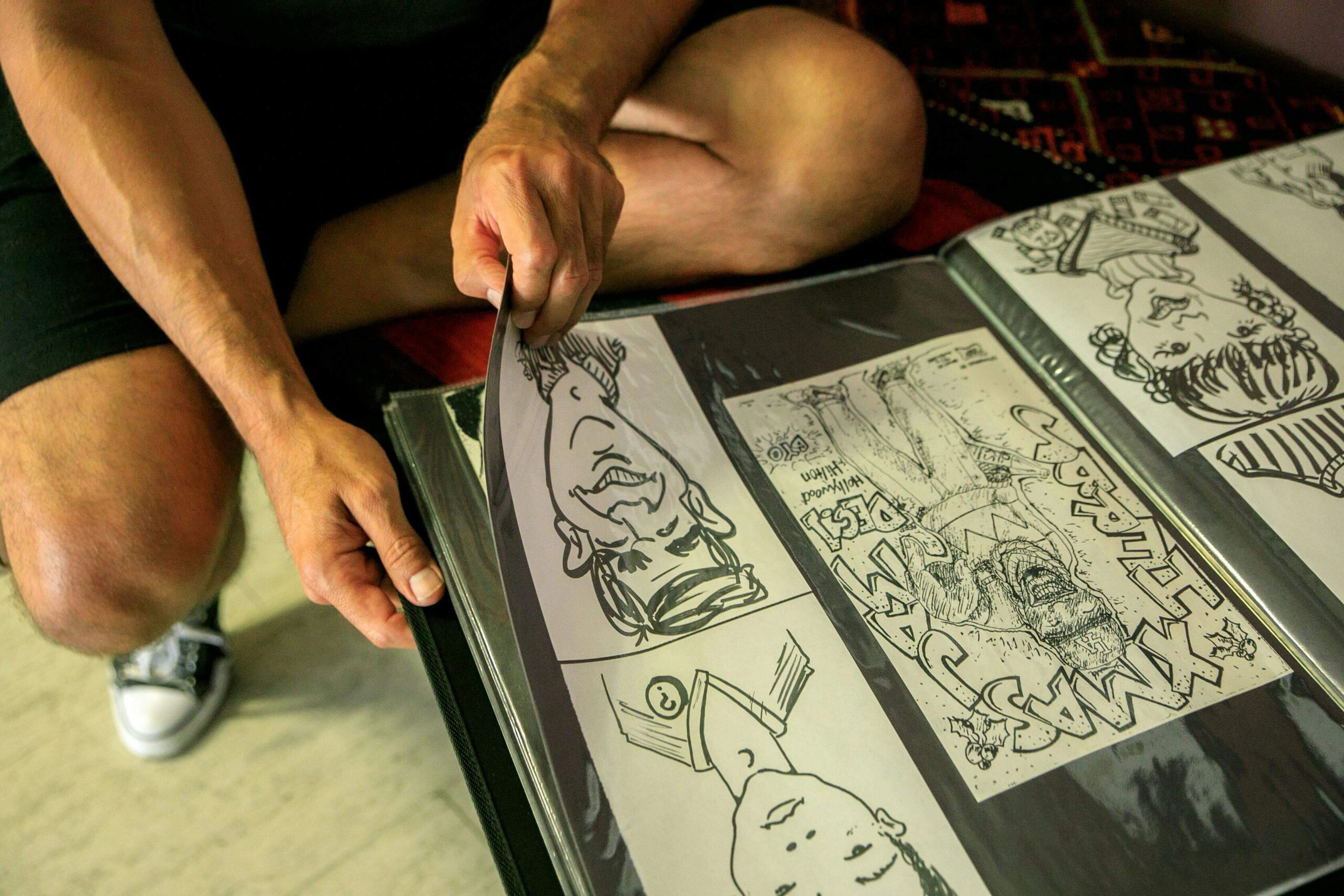
Even as AI becomes more capable, human creativity will remain central to storytelling.
Great stories often reflect personal experiences, emotions, and cultural perspectives that are difficult for machines to replicate fully.
Writers and artists bring unique ideas and imaginative worlds that inspire audiences.
AI tools can enhance these creative processes by providing new ways to visualize and experiment with ideas.
The future of comic creation is likely to involve collaboration between humans and intelligent machines rather than competition.
Key Takeaways
- AI converts written stories into visual comic strips.
- It automates character creation, scenes, and panel layouts.
- AI speeds up production while improving creativity.
- Human editing ensures quality and originality.
- Responsible AI use supports ethical digital storytelling.
Conclusion
AI Comic Strip Generation is changing how stories are transformed into engaging visual experiences. By combining generative AI with human creativity, creators can produce comics faster, reduce production costs, and reach wider audiences. As AI technology advances, it will continue to expand opportunities for creative storytelling while emphasizing responsible and ethical content creation.