

Developing new medicines has traditionally been a costly and time-consuming process that can take many years. Today, Generative AI in Drug Discovery is transforming pharmaceutical research by helping scientists design new drug candidates, analyze complex biological data, and identify promising treatments faster than conventional methods. By combining artificial intelligence with biomedical research, organizations can accelerate innovation, reduce development costs, and improve the chances of discovering life-saving therapies while maintaining rigorous scientific standards.
The Traditional Drug Discovery Process
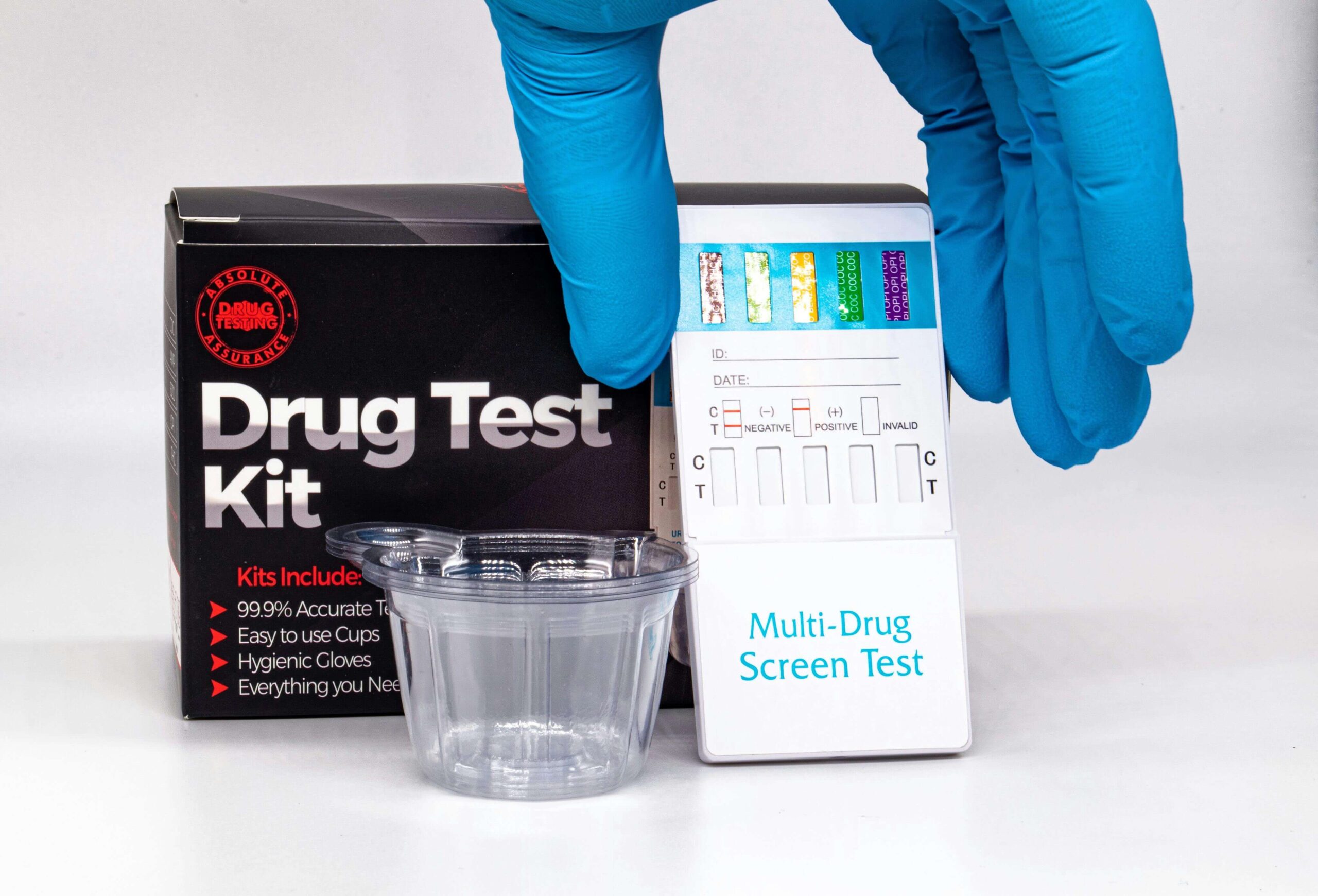
Drug discovery has historically been a slow and expensive process. Scientists typically begin by identifying a biological target associated with a disease. This target is often a protein, gene, or molecular pathway involved in the illness.
Researchers then screen thousands—or even millions—of chemical compounds to see which ones interact with the target in a beneficial way. Only a tiny fraction of these compounds show potential as drug candidates.
Once a promising compound is identified, it must go through several stages of development, including laboratory testing, animal studies, and multiple phases of human clinical trials.
Organizations such as U.S. Food and Drug Administration must approve the medication before it can be released to the public.
Because of these strict requirements, the entire process often takes 10–15 years. Many potential drugs fail during testing, making the journey even more challenging.
The Rise of Generative AI in Medicine
The emergence of Generative Artificial Intelligence is changing the way scientists approach drug discovery.
Generative Artificial intelligence models can analyze massive datasets containing chemical structures, genetic information, and medical research. By learning patterns within this data, AI systems can generate entirely new molecular structures that may work as potential drugs.
Instead of testing millions of compounds in laboratories, scientists can use AI to simulate and predict which molecules are most likely to be effective.
This approach dramatically speeds up the early stages of drug discovery and reduces the costs associated with traditional research methods.
How Generative AI Designs New Drug Molecules
One of the most remarkable capabilities of generative AI is its ability to design new molecules from scratch.
AI models can learn the relationships between molecular structures and their biological effects. Once trained, these models can generate new chemical compounds with specific properties.
For example, researchers may instruct an AI system to design molecules that:
-
Target a specific disease protein
-
Avoid toxic side effects
-
Dissolve properly in the human body
-
Remain stable during manufacturing
The AI then produces thousands of possible molecular structures that meet these requirements.
Scientists can analyze these AI-generated molecules and select the most promising candidates for laboratory testing.
This method significantly accelerates the drug design process.
AI-Powered Protein Structure Prediction
Another important area where AI is transforming drug discovery involves understanding the structure of proteins.
Proteins play a crucial role in biological processes, and many diseases occur when proteins function incorrectly. To design drugs that interact with these proteins, scientists must first understand their three-dimensional structures.
Advanced AI systems such as AlphaFold have revolutionized this field.
AlphaFold can predict the shapes of proteins using genetic data, allowing researchers to study molecular interactions without expensive laboratory experiments.
This breakthrough enables scientists to identify drug targets more quickly and design compounds that bind to proteins effectively.
Accelerating Drug Discovery with Data
Modern biomedical research generates enormous amounts of data, including genomic sequences, medical records, clinical trial results, and chemical databases.
Analyzing this information manually is nearly impossible.
Generative AI can process these large datasets to identify patterns that might otherwise go unnoticed.
For example, AI can analyze genetic data to determine which genes are linked to specific diseases. It can also identify existing drugs that may be repurposed to treat new conditions.
This data-driven approach allows researchers to make better decisions and focus their efforts on the most promising treatment strategies.
Real-World Applications of AI in Drug Discovery
Several pharmaceutical companies and research institutions are already using AI technologies to develop new medicines.
One notable example is Insilico Medicine.
The company uses generative AI to design new drug candidates and has successfully advanced some of these molecules into clinical trials.
AI-driven platforms are also being used to study diseases such as cancer, Alzheimer’s disease, and rare genetic disorders.
These technologies help researchers understand complex biological systems and identify new therapeutic strategies.
Reducing Costs and Development Time
One of the most significant advantages of generative AI in drug discovery is its ability to reduce research costs.
Traditional pharmaceutical research requires extensive laboratory testing, which can be extremely expensive.
By using AI to predict which molecules are most likely to succeed, scientists can focus their experiments on the most promising candidates.
This reduces the number of failed experiments and shortens the time needed to identify effective drugs.
Some experts believe AI could reduce drug discovery timelines by several years, potentially bringing life-saving treatments to patients faster.
Ethical and Regulatory Challenges
Despite its potential benefits, AI-driven drug discovery also raises important ethical and regulatory questions.
For example, AI models rely on large datasets that may contain biases or incomplete information. If these biases are not addressed, AI-generated drug candidates may not work equally well for all populations.
Regulatory agencies must also adapt to evaluate drugs designed by AI systems.
Ensuring that AI-generated medicines meet safety and efficacy standards is essential for protecting public health.
International organizations such as World Health Organization emphasize the importance of transparency and accountability in AI-driven healthcare innovations.
The Future of AI in Drug Discovery
The integration of generative AI into pharmaceutical research is still in its early stages, but its potential is enormous.
Future AI systems may be able to simulate entire biological systems, allowing scientists to test drug candidates virtually before conducting physical experiments.
AI could also enable personalized medicine by designing drugs tailored to an individual’s genetic profile.
Advances in computing power, machine learning algorithms, and biomedical data will continue to enhance the capabilities of AI-driven drug discovery platforms.
As these technologies mature, they may transform the pharmaceutical industry and revolutionize how new treatments are developed.
Human Expertise Remains Essential

While AI can accelerate many aspects of drug discovery, human expertise remains essential.
Scientists, doctors, and researchers play a crucial role in interpreting AI-generated results and ensuring that new treatments are safe and effective.
Drug development involves complex ethical decisions, patient care considerations, and regulatory oversight that require human judgment.
Rather than replacing scientists, generative AI serves as a powerful tool that enhances their ability to explore new ideas and solve complex medical problems.
Key Takeaways
- Generative AI accelerates drug discovery and pharmaceutical research.
- AI designs molecules, identifies targets, and analyzes biomedical data.
- Human oversight remains essential for safety and regulatory compliance.
- Responsible AI improves research efficiency and innovation.
- AI and scientists working together will shape the future of medicine.
Conclusion
Generative AI in Drug Discovery is reshaping the pharmaceutical industry by accelerating research, improving molecule design, and supporting more efficient drug development. Although challenges such as data quality, transparency, and regulation remain, combining AI with scientific expertise enables faster innovation while maintaining safety and trust. As technology evolves, AI will become an increasingly valuable partner in developing the next generation of life-saving medicines.