

Trade and Growth in Asia: Asia has become one of the most powerful economic regions in the world. Over the last few decades, the continent has transformed from a manufacturing hub into a global center of trade, innovation, and economic growth. Countries such as China, India, Japan, South Korea, and many Southeast Asian nations are playing a major role in shaping the global economy. As technology advances and globalization continues to evolve, the future of trade and growth in Asia looks promising and full of opportunities.
In the coming years, Asia is expected to lead global trade through digital transformation, stronger regional partnerships, infrastructure development, and innovation-driven economies. Understanding these trends can help businesses, policymakers, and individuals prepare for the future economic landscape.
How Trade and Growth in Asia Shapes Global Markets
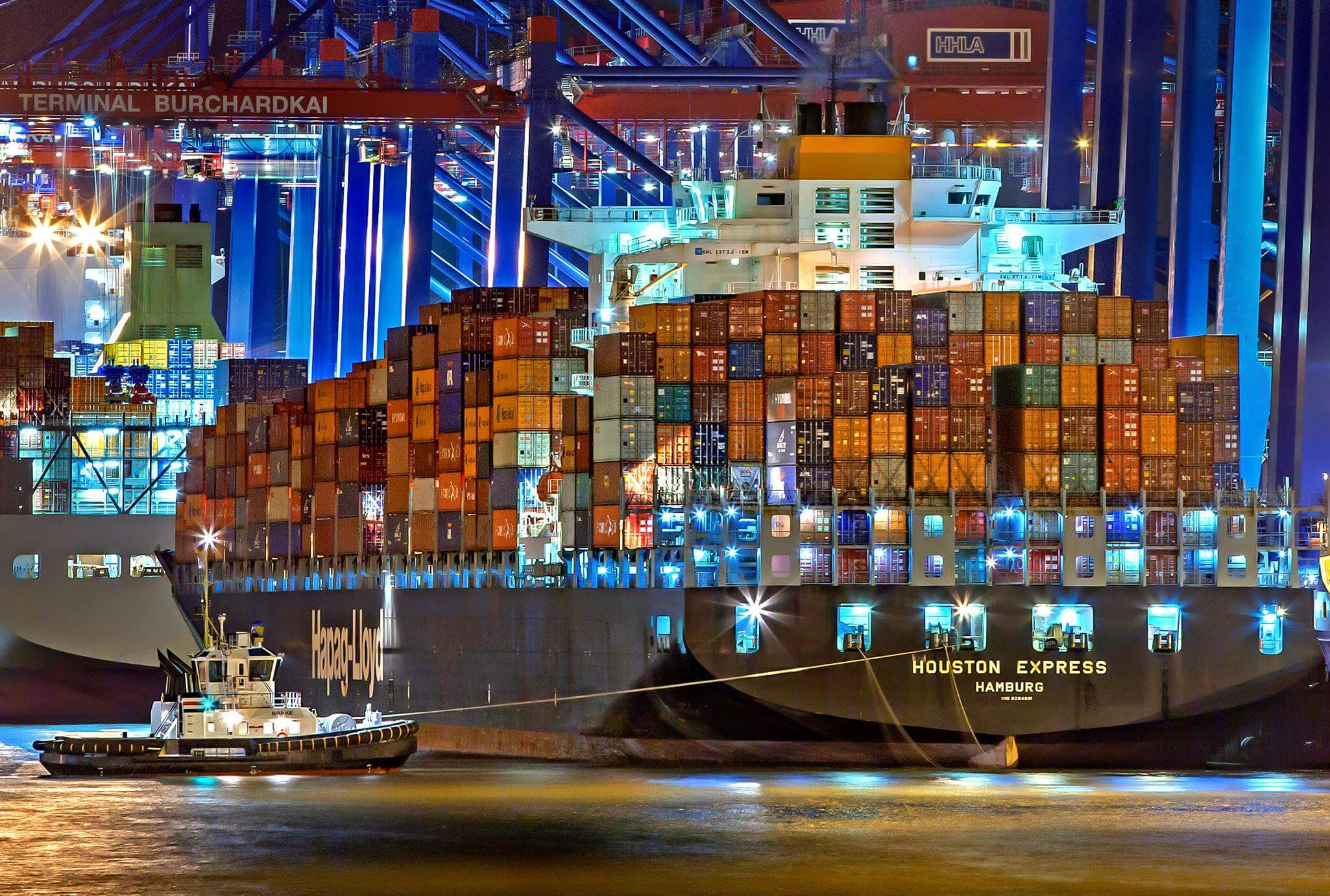
Asia already accounts for a significant portion of global trade. Many of the world’s largest exporters and manufacturing centers are located in this region. Countries like China, Vietnam, and Bangladesh are major producers of electronics, textiles, and industrial goods that are shipped across the world.
The region’s strategic location also plays an important role in international trade. Asia connects major markets in Europe, Africa, and the Americas, making it a central hub for shipping routes and supply chains.
As global demand continues to grow, Asian countries are strengthening their trade networks and expanding exports. This growth is supported by better logistics systems, modern ports, and advanced transportation infrastructure.
Digital Transformation and E-Commerce
One of the biggest drivers of future trade in Asia is digital technology. E-commerce platforms, digital payment systems, and online marketplaces are changing how businesses operate and how consumers buy products.
Countries such as China, India, Indonesia, and Singapore are experiencing rapid growth in online shopping. Millions of consumers now prefer purchasing products through mobile apps and digital platforms rather than traditional retail stores.
Small businesses are also benefiting from digital trade. Entrepreneurs can now sell products globally through online marketplaces without needing large investments or physical stores. This digital shift is helping Asian economies grow faster and creating new opportunities for startups and freelancers.
Regional Agreements Boosting Trade and Growth in Asia
Another important factor shaping the future of trade in Asia is regional cooperation. Many Asian countries are forming trade partnerships and agreements that make it easier to exchange goods and services.
Trade agreements reduce tariffs, simplify regulations, and encourage investment between countries. These partnerships strengthen economic relationships and create more stable trade environments.
For example, regional economic agreements are helping Asian countries collaborate more closely and expand trade opportunities. As these partnerships grow stronger, businesses will gain easier access to international markets, which will further boost economic development in the region.
Infrastructure Development Driving Growth
Infrastructure development is another key factor supporting Asia’s future trade growth. Governments across the region are investing heavily in highways, railways, ports, airports, and digital infrastructure.
Modern infrastructure helps reduce transportation costs, improves logistics efficiency, and connects remote areas to global markets. These improvements make it easier for businesses to move goods quickly and reliably.
Large infrastructure projects are also creating jobs and stimulating economic growth. As transportation networks become more efficient, Asian countries will strengthen their position as global trade leaders.
The Rise of Emerging Asian Economies
While countries like China and Japan have long been economic giants, several emerging Asian economies are now gaining global attention. Nations such as Vietnam, Indonesia, the Philippines, and Bangladesh are experiencing rapid economic growth.
These countries offer competitive labor markets, expanding consumer bases, and growing industrial sectors. Many international companies are shifting manufacturing operations to these emerging markets to reduce costs and diversify supply chains.
This shift is expected to continue in the future, making Southeast Asia one of the fastest-growing economic regions in the world.
Innovation and Technology Shaping the Future
Technology and innovation will play a crucial role in shaping Asia’s economic future. Artificial intelligence, automation, blockchain, and advanced manufacturing are transforming industries across the region.
Asian countries are investing heavily in research and development to remain competitive in the global market. Technology hubs are emerging in cities like Bangalore, Shenzhen, and Singapore, where startups and tech companies are developing new solutions for global markets.
Innovation not only increases productivity but also creates new industries and job opportunities. As Asian economies adopt advanced technologies, they will continue to strengthen their global economic influence.
Sustainability and Green Trade
As economic growth accelerates, sustainability is becoming an important priority for Asian countries. Governments and businesses are focusing on environmentally friendly trade practices and sustainable development.
Green technologies, renewable energy projects, and eco-friendly manufacturing processes are gaining popularity across the region. Consumers are also becoming more aware of environmental issues and prefer products that are produced responsibly.
By investing in sustainable industries, Asian countries can ensure long-term economic growth while protecting natural resources.
Challenges Facing Asia’s Trade Future
Despite its strong growth potential, Asia also faces several challenges that could affect future trade. Political tensions, supply chain disruptions, economic inequalities, and climate change are some of the major concerns.
For example, global trade conflicts and geopolitical tensions can create uncertainty in international markets. Similarly, climate-related disasters can disrupt transportation networks and production systems.
To overcome these challenges, Asian countries must strengthen regional cooperation, diversify supply chains, and invest in resilient infrastructure.
Opportunities for Businesses and Investors

The future of trade in Asia offers massive opportunities for entrepreneurs, investors, and global businesses. The region’s growing middle class, expanding digital economy, and rising demand for goods and services make it an attractive market.
Industries such as technology, renewable energy, logistics, healthcare, and e-commerce are expected to grow rapidly. Businesses that adapt to digital trends and invest in innovation will likely benefit the most from Asia’s economic expansion.
Foreign investors are also increasingly interested in Asian markets due to their growth potential and strategic importance in global trade networks.
Conclusion
Asia is rapidly shaping the future of global trade and economic growth. With its strong manufacturing capabilities, expanding digital economy, emerging markets, and technological innovation, the region is expected to remain a key driver of the global economy.
While challenges exist, the opportunities for growth are far greater. Through stronger regional partnerships, infrastructure development, and sustainable practices, Asia can continue to build a resilient and prosperous economic future.
For businesses, policymakers, and investors, understanding these trends is essential to take advantage of the opportunities that Asia’s evolving trade landscape offers. As the world becomes more interconnected, Asia’s role in global trade will only continue to grow stronger. Explore the future of trade and economic growth in Asia, including emerging markets, digital transformation, regional partnerships, and key opportunities shaping Asia’s global economic influence.