


Chatbots Improve Customer Service: In today’s digital world, businesses are constantly seeking ways to provide faster, more efficient, and personalized customer service. One of the most impactful tools in achieving this goal is the chatbot. Powered by Artificial Intelligence (AI) and natural language processing (NLP), chatbots have transformed how companies interact with customers, offering immediate support and streamlining operations. From small businesses to global corporations, chatbots are redefining customer experience and setting new standards for service delivery.
This article explores how chatbots improve customer service, the benefits they offer, challenges, and the future of AI-driven customer support.
Understanding Chatbots

Chatbots are software applications designed to simulate human conversation. They interact with users via text or voice interfaces, responding to queries, providing information, and performing tasks. Chatbots are commonly integrated into websites, mobile apps, social media platforms, and messaging services such as WhatsApp, Messenger, or Slack.
There are two main types of chatbots:
Rule-Based Chatbots: These operate on predefined rules and scripts. They answer questions based on keywords or set patterns. While limited in flexibility, they are simple to implement and effective for basic customer queries.
AI-Powered Chatbots: These chatbots leverage machine learning, NLP, and AI algorithms to understand context, learn from interactions, and improve responses over time. They are capable of handling more complex conversations and providing personalized assistance.
Faster Response Times
One of the primary ways chatbots improve customer service is by providing instant responses. Customers today expect immediate solutions, and long waiting times can lead to frustration and dissatisfaction.
Unlike human agents, chatbots are available 24/7 and can respond to thousands of queries simultaneously. For example, an e-commerce company during a holiday sale may receive hundreds of customer inquiries per minute. AI chatbots can handle this volume without delay, ensuring that customers receive timely support.
This speed not only improves customer satisfaction but also frees human agents to focus on more complex or sensitive issues that require human judgment.
Cost Efficiency
Hiring and training large customer service teams can be expensive. Chatbots provide a cost-effective solution by automating routine queries and repetitive tasks.
For instance, instead of assigning multiple agents to answer basic questions like store hours, shipping policies, or account balance
Personalized Customer Experience
Modern AI chatbots can analyze user behavior, preferences, and history to provide personalized interactions. Personalization enhances customer satisfaction and encourages brand loyalty.
For example:
- A chatbot for an online retailer can recommend products based on previous purchases.
- A banking chatbot can provide tailored financial advice by analyzing account history.
- Travel chatbots can suggest destinations, flights, and accommodations according to user preferences.
Multichannel Support
Customers interact with businesses across various platforms—websites, mobile apps, social media, and messaging apps. AI chatbots can operate across multiple channels, ensuring consistent support regardless of where the customer engages.
Multichannel chatbots help businesses maintain a seamless customer experience. A customer may begin a conversation on a website, continue it on Messenger, and receive follow-up updates via email—all handled cohesively by the AI system.
This omnichannel capability improves accessibility, reduces customer effort, and strengthens overall satisfaction.
Automating Routine Tasks
Chatbots excel at handling repetitive and administrative tasks that can bog down human agents. Common automated functions include:
- Answering frequently asked questions (FAQs)
- Booking appointments or reservations
- Processing orders and payments
- Providing account information
- Sending notifications or reminders
Data Collection and Insights
AI chatbots can collect valuable data during customer interactions. This data provides insights into customer behavior, preferences, common issues, and satisfaction levels.
- Businesses can analyze chatbot interactions to:
- Identify frequently asked questions
- Detect patterns in complaints or feedback
- Improve products or services based on customer needs
- Optimize marketing and sales strategies
Enhancing Customer Engagement
Engagement is a key factor in building brand loyalty. Chatbots keep customers engaged through interactive conversations, timely responses, and helpful suggestions.
For instance, a chatbot on an e-commerce website can guide users through product selection, offer discounts, and even follow up after purchase to ensure satisfaction. This level of interaction fosters a positive customer experience and strengthens the relationship between brand and consumer.
Handling Peak Workloads
Customer service departments often face fluctuations in workload. During holidays, product launches, or special promotions, the volume of inquiries can overwhelm human teams.
AI chatbots can handle high volumes effortlessly. By managing routine queries during peak periods, chatbots prevent long waiting times and maintain service quality. This ensures that customer satisfaction remains high even during busy times.
Challenges of Using Chatbots
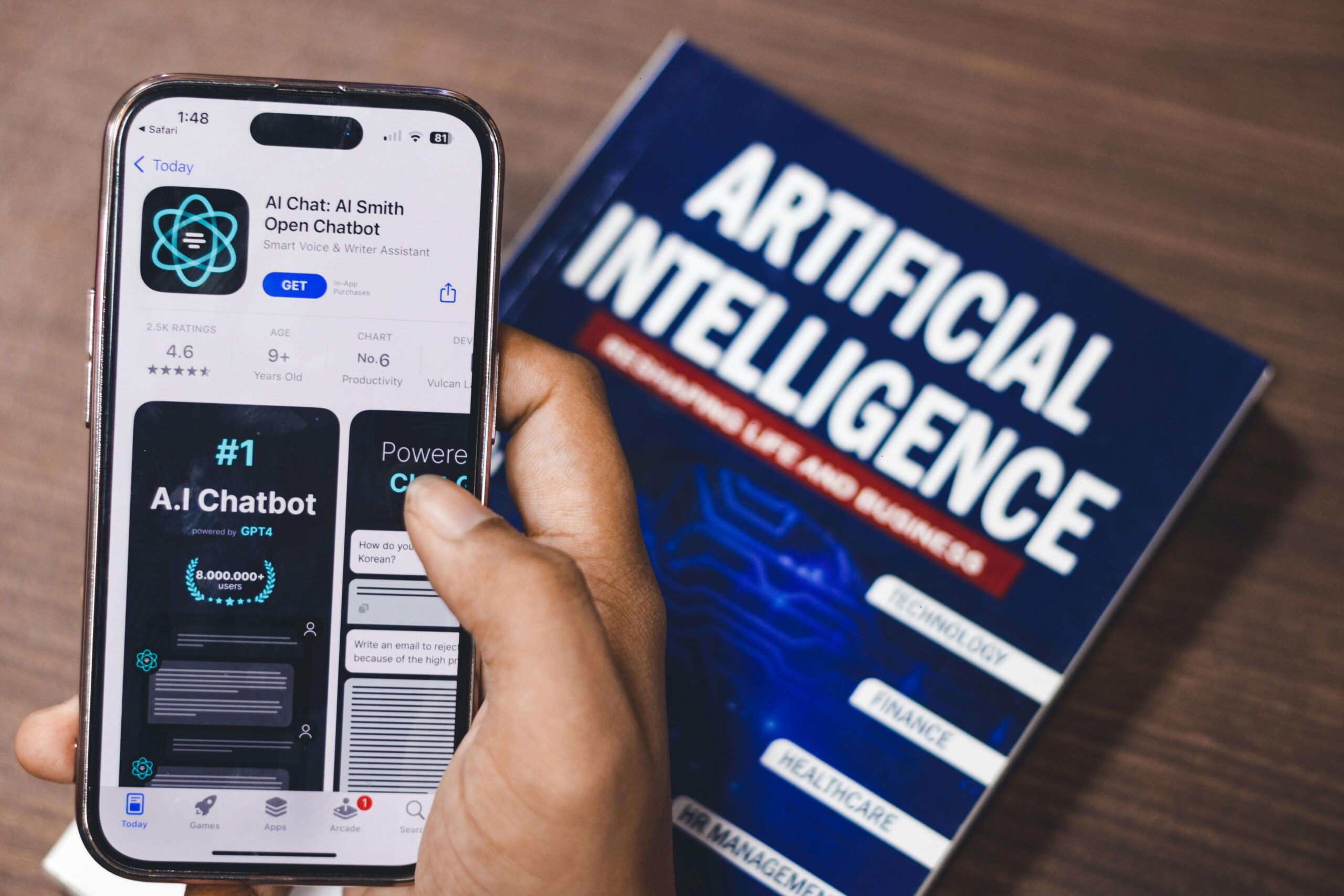
While chatbots offer numerous benefits, they are not without challenges:
Limited Understanding: Rule-based chatbots may fail to understand complex or ambiguous queries. AI chatbots are better, but can still struggle with nuanced language.
Implementation Costs: Advanced AI chatbots require investment in technology, training, and maintenance. Small businesses may find these costs challenging initially.
Privacy Concerns: Chatbots handle personal data, requiring businesses to ensure compliance with privacy regulations and secure data storage.
The Future of AI Chatbots in Customer Service
The role of AI chatbots in customer service will continue to expand as technology evolves. Emerging trends include:
Voice-Activated AI: Voice chatbots will allow customers to interact using natural speech, improving accessibility.
Emotional Intelligence: Advanced AI may detect user emotions through text or voice, enabling empathetic responses.
Conclusion
AI-powered chatbots also provide valuable insights into customer behavior, helping businesses make data-driven decisions and refine their strategies. While challenges remain, such as ensuring privacy and balancing automation with human support, the benefits are clear.
As technology evolves, chatbots will continue to play a central role in shaping customer service, creating smarter, faster, and more satisfying interactions.