

Smart Greenhouse Tomato Cultivation: Tomatoes are among the most widely cultivated crops in the world, valued for their nutritional benefits and economic importance. However, traditional farming methods often struggle to meet the growing demand while maintaining sustainability. Climate change, water scarcity, and inconsistent yields have made it clear that agriculture needs a smarter approach. This is where a digital framework for smart greenhouse tomato cultivation comes into play—a system that combines advanced technologies with agricultural practices to create a more efficient, sustainable, and productive farming environment.
The Need for Smart Greenhouse Cultivation
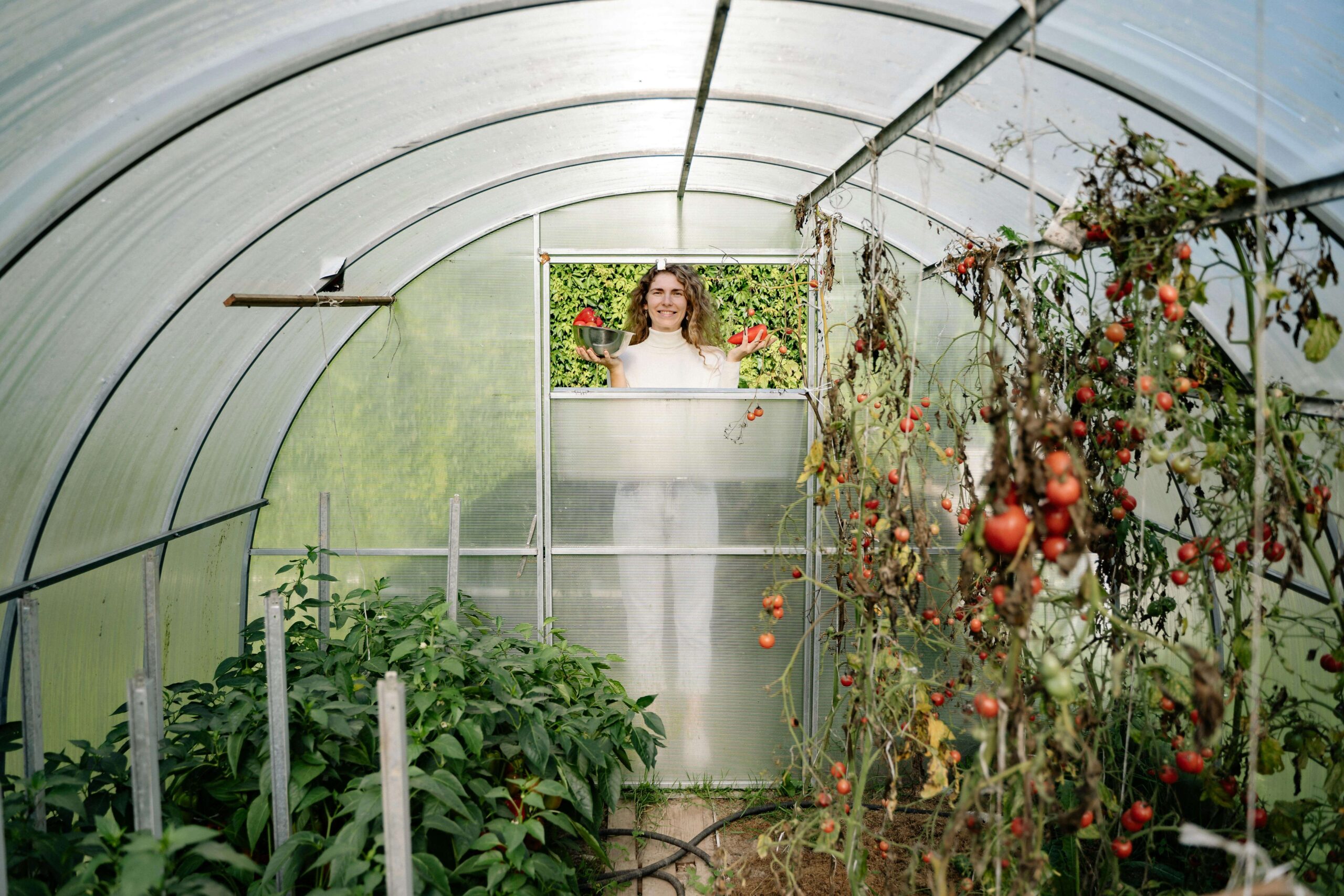
Conventional tomato farming is highly dependent on external environmental conditions such as temperature, humidity, and sunlight. These variables are unpredictable and can negatively affect crop yield and quality. Farmers often rely on manual monitoring and experience-based decisions, which, while valuable, are not always precise.
A smart greenhouse addresses these challenges by creating a controlled environment where key factors can be monitored and adjusted in real time. By integrating digital technologies, farmers can ensure optimal growing conditions, reduce resource waste, and increase productivity.
What is a Digital Framework in Greenhouse Farming?
A digital framework refers to a structured system that integrates hardware, software, and data analytics to manage greenhouse operations. It typically includes sensors, Internet of Things (IoT) devices, cloud computing, and artificial intelligence (AI).
In the context of tomato cultivation, this framework continuously collects data on soil moisture, temperature, humidity, light intensity, and nutrient levels. This data is then processed and analyzed to make informed decisions, either automatically or with minimal human intervention.
Key Components of the Digital Framework
1. Sensor Technology
Sensors are the backbone of a smart greenhouse. They monitor environmental and soil conditions in real time. For example, temperature sensors ensure that the greenhouse remains within the ideal range for tomato growth, while moisture sensors help maintain proper irrigation levels.
2. IoT Connectivity
IoT devices connect all components of the greenhouse, allowing them to communicate with each other. This connectivity enables remote monitoring and control through smartphones or computers, giving farmers flexibility and convenience.
3. Automated Control Systems
Automation plays a crucial role in maintaining optimal conditions. Systems can automatically adjust ventilation, heating, cooling, irrigation, and lighting based on sensor data. This reduces the need for manual intervention and minimizes human error.
4. Data Analytics and AI
AI algorithms analyze collected data to identify patterns and predict future conditions. For instance, predictive models can forecast disease outbreaks or nutrient deficiencies, allowing farmers to take preventive measures.
5. Cloud-Based Platforms
Cloud technology stores and processes large volumes of data, making it accessible from anywhere. It also enables integration with other digital tools and systems, enhancing overall efficiency.
Benefits of Smart Greenhouse Tomato Cultivation
Enhanced Productivity
By maintaining optimal growing conditions, smart greenhouses can significantly increase tomato yield. Plants grow faster and healthier, leading to higher production rates.
Resource Efficiency
Water and fertilizers are used more efficiently through precise monitoring and automated delivery systems. This not only reduces costs but also minimizes environmental impact.
Improved Crop Quality
Consistent environmental conditions result in uniform and high-quality tomatoes. This is especially important for commercial farming, where quality directly affects market value.
Reduced Labor Requirements
Automation reduces the need for manual labor, allowing farmers to focus on strategic decision-making rather than routine tasks.
Sustainability
Smart greenhouses support sustainable farming practices by reducing waste, conserving resources, and minimizing the use of harmful chemicals.
Challenges in Implementation
Despite its advantages, adopting a digital framework for greenhouse cultivation is not without challenges. One of the main barriers is the initial cost. Setting up sensors, IoT devices, and automated systems requires a significant investment, which may be difficult for small-scale farmers.
Another challenge is technical expertise. Farmers need to understand how to operate and maintain these systems. Without proper training, the effectiveness of the technology may be limited.
Data security and privacy are also concerns. As greenhouse systems become more connected, they may be vulnerable to cyber threats. Ensuring secure data transmission and storage is essential.
Role of AI and Machine Learning
Artificial intelligence and machine learning are transforming greenhouse farming by enabling predictive and adaptive systems. These technologies can analyze historical and real-time data to optimize growing conditions.
For example, machine learning models can determine the best irrigation schedule based on weather forecasts and plant growth stages. Similarly, AI can detect early signs of diseases by analyzing images of plant leaves, allowing for timely intervention.
Over time, these systems become more accurate as they learn from new data, continuously improving greenhouse performance.
Real-World Applications
Many modern farms around the world are already using smart greenhouse systems for tomato cultivation. These farms have reported significant improvements in yield, quality, and resource efficiency.
In regions with harsh climates, such as extreme heat or cold, smart greenhouses provide a controlled environment that enables year-round production. This not only increases food availability but also stabilizes market supply.
Urban farming is another area where this framework is gaining popularity. Rooftop greenhouses and vertical farming systems use digital technologies to grow tomatoes in limited spaces, bringing fresh produce closer to consumers.
Future Prospects
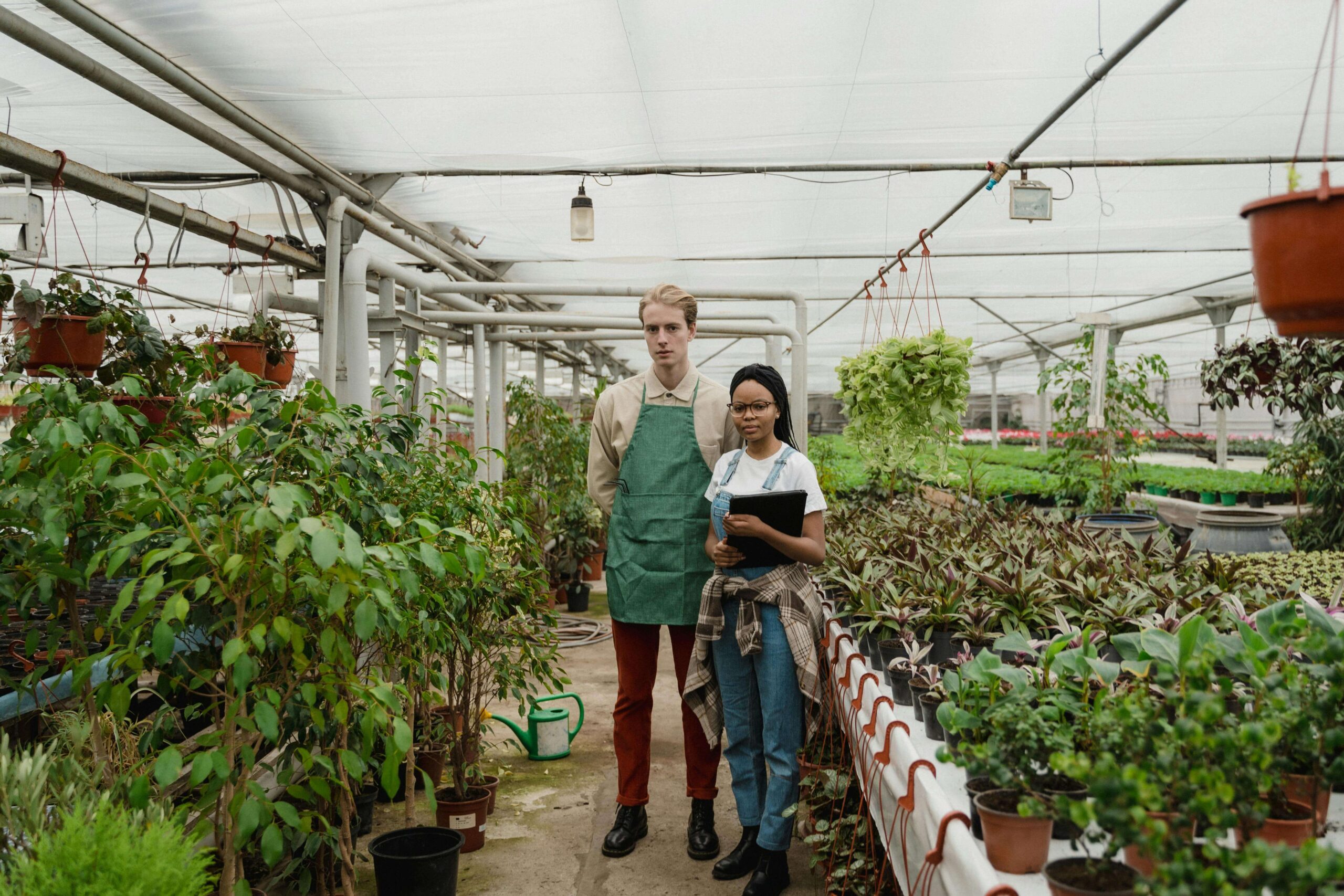
The future of smart greenhouse tomato cultivation looks promising. As technology becomes more affordable and accessible, more farmers are likely to adopt digital frameworks.
Advancements in AI, robotics, and renewable energy will further enhance greenhouse efficiency. For instance, solar-powered systems can reduce energy costs, while robotic harvesters can automate the picking process.
Integration with blockchain technology could also improve supply chain transparency, allowing consumers to trace the origin and quality of their tomatoes.
Conclusion
A digital framework for smart greenhouse tomato cultivation represents a significant step forward in modern agriculture. By combining sensors, IoT, AI, and automation, it creates an efficient and sustainable farming system that addresses many of the challenges faced by traditional methods.
While there are hurdles to overcome, such as cost and technical complexity, the long-term benefits far outweigh these challenges. As the global demand for food continues to rise, adopting smart agricultural practices will be essential for ensuring food security and environmental sustainability.
Ultimately, this approach is not just about growing better tomatoes—it’s about building a smarter, more resilient agricultural future.