

Artificial intelligence is changing how people create, share, and experience digital artwork. With generative AI, users can produce images from simple text prompts, reference images, personal photographs, and creative instructions. Personalized digital art takes this process further by adapting AI-generated artwork to an individual’s identity, preferences, style, or creative goals..
A personalized AI image might feature a person’s appearance, preferred colors, favorite themes, custom characters, or brand identity. These capabilities have made AI-generated art increasingly accessible to people who may not have traditional artistic training.
However, personalization raises an interesting question: Does making AI art more personal actually make it more beautiful, original, or creatively valuable?
The answer is not necessarily.
Personalization can strengthen emotional connection, perceived ownership, and creator recognition even when it does not significantly improve the visual qualities of an image. This distinction is important for artists, designers, marketers, creators, and businesses using generative AI.
As AI art continues to evolve, understanding the relationship between personalization, human creativity, originality, and perceived ownership can help creators use these technologies more thoughtfully.
How Personalized AI Art Changes the Creative Experience
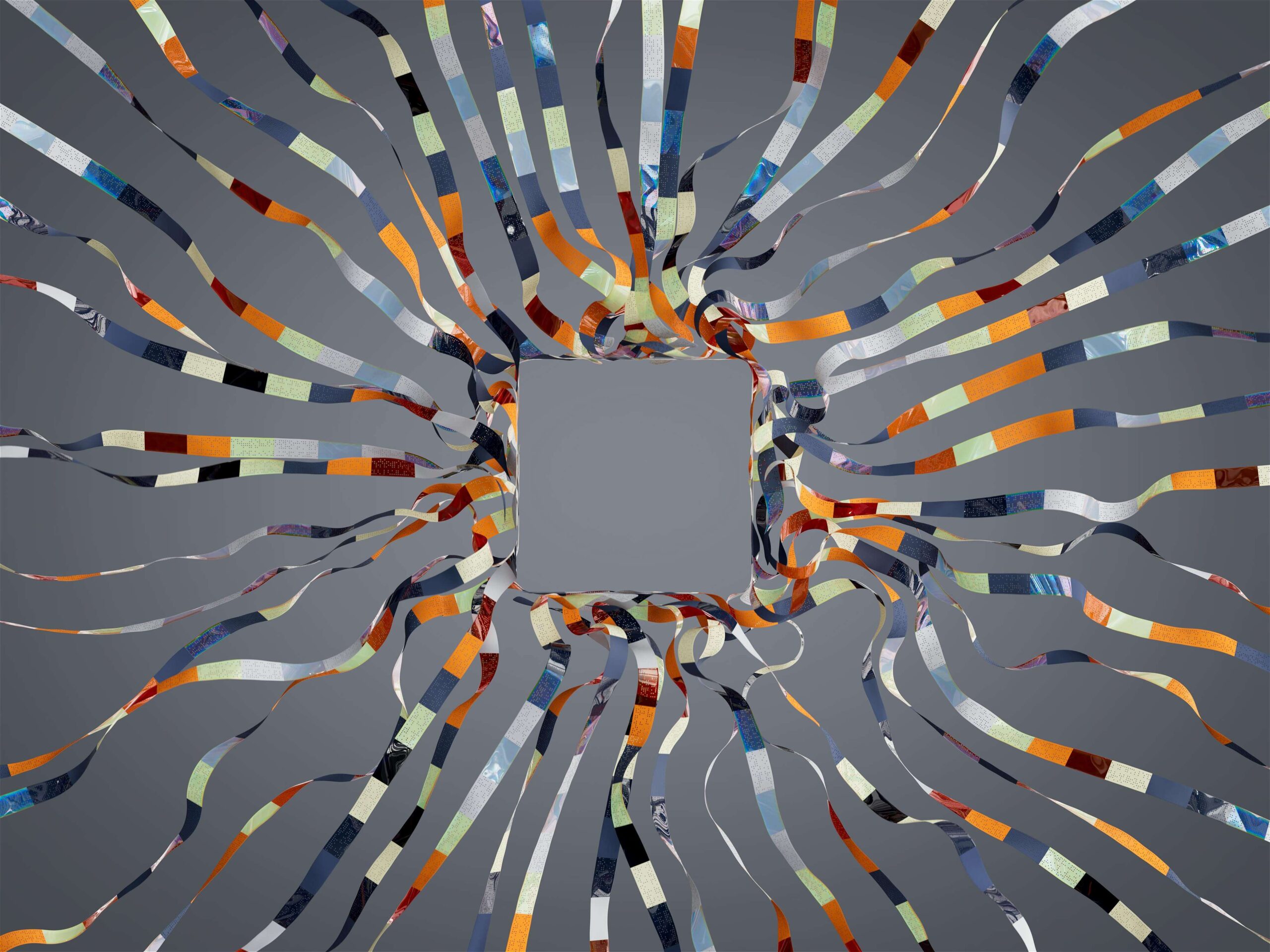
From Text Prompts to Custom AI Artwork
Traditional digital art often requires specialized knowledge of drawing, painting, photography, illustration, or graphic design. Generative AI lowers many of these technical barriers by allowing users to describe what they want using natural language.
A creator can request a specific subject, mood, composition, color palette, environment, or visual style. Personalization adds another layer by allowing the output to reflect individual preferences.
For example, a user might generate:
- A custom professional portrait
- A personalized fantasy character
- A branded marketing illustration
- A customized children’s storybook image
- A personal digital avatar
- A unique social media graphic
The creator is no longer simply consuming an image. They are actively directing the generation process.
This makes personalized digital art different from generic AI-generated content. because the final result is connected more directly to the user’s identity, preferences, or goals.
Personalization and the Sense of Creative Ownership
One of the most interesting effects of AI art personalization is the psychological feeling of ownership.
When people provide personal information, photographs, creative instructions, or detailed prompts, they may feel that the resulting image belongs to them in a meaningful way. The artwork reflects their choices, even when an AI system performs much of the visual generation.
This distinction is important.
Perceived ownership is not necessarily the same as legal authorship or copyright ownership.
A person may feel highly connected to an AI-generated image because they selected the concept, refined the prompt, rejected unwanted results, and chose the final version. Those decisions can make the work feel personally created.
Personalization Does Not Automatically Improve Artistic Beauty
A personalized image is not automatically a better image.
Visual quality depends on factors such as composition, lighting, color harmony, detail, consistency, perspective, and overall artistic direction. Adding personal characteristics may increase relevance without improving these qualities.
For example, a user might request a highly specific portrait containing many personal elements. The result may be deeply meaningful to that person but visually less balanced than a simpler composition.
This demonstrates an important difference between subjective value and visual quality.
Personalization can increase how much someone likes or values an image because the image represents them. That does not necessarily mean the image has become objectively more aesthetically sophisticated.
The Psychology and Social Value of AI Art Personalization
Why People Prefer Personalized Content
People naturally pay attention to content that relates to their identity, interests, memories, and experiences.
This principle applies across many areas of digital media. Personalized recommendations, customized products, targeted advertising, and social media feeds all use relevance to increase engagement.
AI-generated artwork follows a similar pattern.
When people see an image created specifically around their interests, they may experience a stronger emotional response. A personalized image can become a representation of identity rather than simply another piece of digital content.
This makes personalized AI art particularly effective for social media, avatars, digital gifts, branding, entertainment, and interactive experiences.
Social Media, Recognition, and the Credit Economy
Digital platforms have changed how creative work is evaluated.
Historically, an artist’s reputation might have depended on exhibitions, publications, commissions, or professional recognition. Today, visibility can also come from likes, shares, comments, followers, and reposts.
Personalized AI art performs well in this environment because people are more likely to share content that represents themselves or something personally meaningful.
A customized AI portrait, for example, may generate more engagement than a generic AI landscape because viewers have a stronger reason to interact with it.
This creates a distinction between artistic merit and social recognition.
Personalization may increase recognition even when it does not substantially improve visual beauty.
Personalized AI Art and Perceived Originality
Originality is another complicated issue.
An AI system can generate an image that appears unique, but the underlying model has learned patterns from large amounts of existing data. Users also frequently rely on familiar visual conventions, popular aesthetics, and established artistic concepts when creating prompts.
Personalization can make an output feel more original because it combines generic AI capabilities with personal choices.
However, creators should avoid assuming that personalization automatically makes an image completely original.
A stronger approach is to contribute meaningful human direction through:
- Original concepts
- Detailed creative briefs
- Iterative editing
- Human-created elements
- Custom compositions
- Personal storytelling
- Substantial post-production
The more meaningful creative decisions a person contributes, the stronger the connection between the final artwork and human creative intent
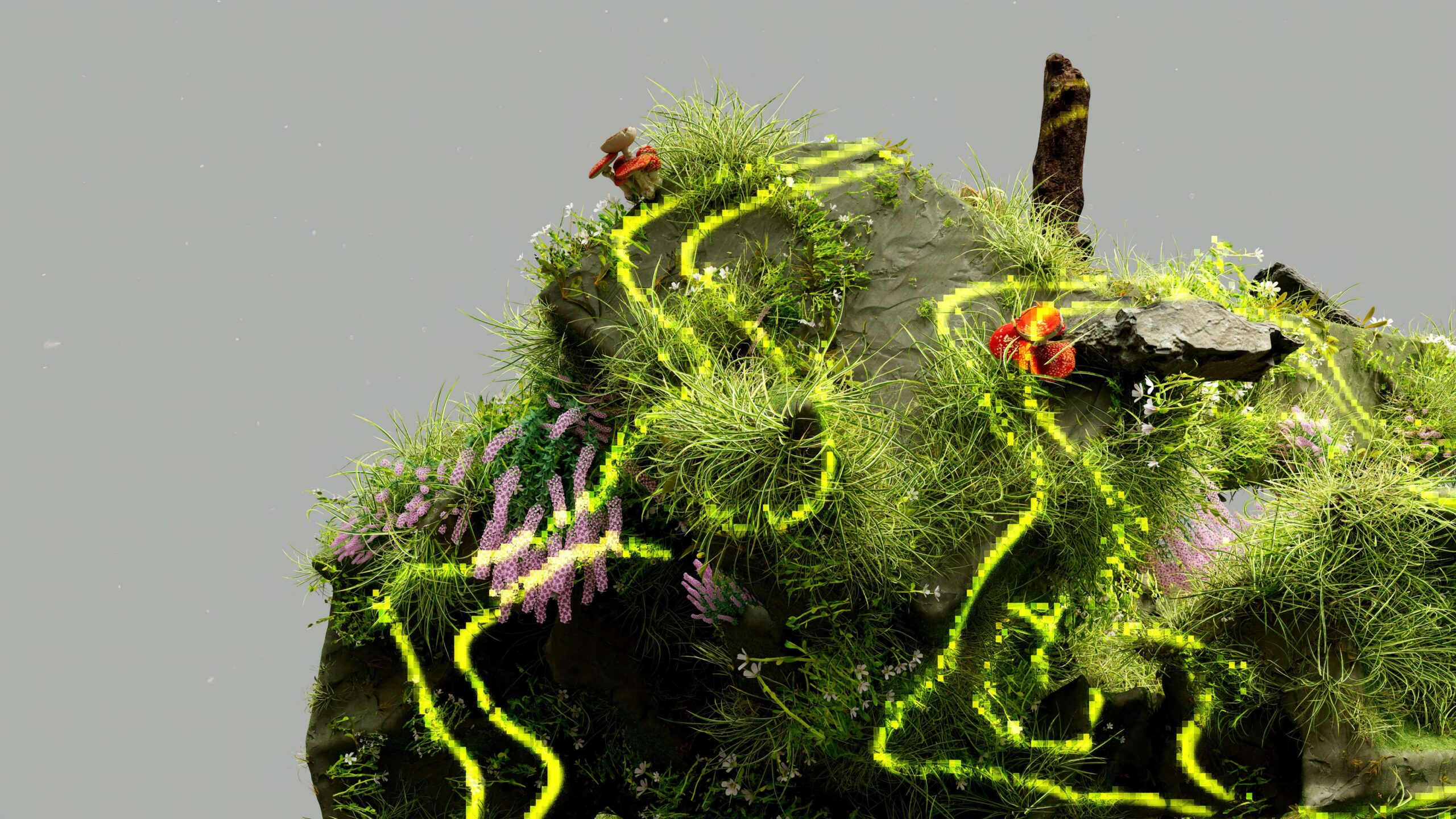
Creativity, Ownership, and Ethical Questions in AI Art
The Role of Human Creativity in AI-Generated Art
AI can generate images quickly, but human creativity remains important.
People decide what they want to communicate, why they want to communicate it, and how the final result should be interpreted. They can select promising generations, reject weak outputs, modify concepts, combine ideas, and add personal meaning.
This makes AI art better understood as a human-AI creative workflow rather than simply a machine replacing an artist.
For professional creators, the strongest results often come from treating AI as a creative assistant rather than an automatic replacement for artistic judgment.
AI Art Ownership and Copyright Questions
Ownership is one of the most important issues surrounding AI-generated artwork.
The legal treatment of AI-generated content can vary depending on jurisdiction, the amount of human creative contribution, the platform used, and the circumstances in which the work was created.
- Having access to an AI-generated image
- Having contractual rights to use an image
- Having commercial usage rights
- Having copyright protection
- Being recognized as the human creator
These concepts are not always identical.
Businesses and professional creators should review the terms of the AI platform they use and consider applicable copyright and intellectual-property rules before commercially distributing AI-generated artwork.
Responsible Personalization and Artist Attribution
AI art also raises questions about the artists whose work may have influenced training datasets and the use of recognizable artistic styles.
Responsible AI art practices should consider transparency, attribution where appropriate, licensing requirements, and respect for creators.
Users should also avoid using personal photographs or identifiable materials without appropriate permission.
For businesses, a clear internal AI-art policy can help establish rules around:
- Copyright review
- Image licensing
- Personal data
- Artist attribution
- Brand guidelines
- Human approval
- AI disclosure
Practical Applications of Personalized AI Art
Marketing, Advertising, and Brand Design
Businesses can use personalized AI artwork to create visual concepts for campaigns, social media, landing pages, advertisements, and promotional materials.
For example, marketers can generate multiple visual concepts around different customer personas while maintaining consistent brand elements.
AI can also accelerate brainstorming by producing variations of:
- Campaign concepts
- Product illustrations
- Social media graphics
- Ad creative
- Presentation visuals
- Brand concepts
However, human designers should review the final outputs to ensure they meet brand, accessibility, and quality requirements.
Entertainment, Education, and Personal Expression
Personalized AI art has applications far beyond marketing.
In entertainment, creators can use AI to prototype characters, environments, storyboards, and visual concepts.
In education, teachers and students can create customized illustrations that make abstract concepts easier to understand.
For individuals, personalized AI artwork can support:
- Digital avatars
- Personal storytelling
- Custom gifts
- Creative hobbies
- Character development
- Visual journaling
- Social media content
These applications demonstrate how AI can make visual creation more accessible to people who may not have formal artistic training.
The Future of Personalized Digital Art
The future of personalized digital art is likely to become increasingly interactive
Instead of generating a single static image, future systems may create experiences that change based on user preferences, context, behavior, or interaction.
Possible developments include:
- Interactive AI-generated environments
- Personalized digital characters
- Adaptive visual storytelling
- AI-assisted virtual worlds
- Real-time creative collaboration
- Personalized educational artwork
- Brand-specific AI design systems
As these technologies develop, the most valuable creative workflows may combine AI’s speed with human imagination, judgment, cultural understanding, and emotional context.
Conclusion:
Personalized AI Art is changing how people understand creativity, originality, ownership, and artistic value. Personalization can make AI-generated artwork feel more meaningful and relevant because it reflects an individual’s identity, preferences, or creative decisions.
However, personalization does not automatically make artwork more beautiful or legally original. The strongest creative outcomes come from combining AI capabilities with meaningful human direction.
For artists, businesses, marketers, educators, and everyday creators, the goal should not simply be to generate more images. The greater opportunity is to use AI to develop ideas, explore possibilities, communicate stories, and create experiences that have genuine human meaning.
As generative AI continues to evolve, human creativity, ethical judgment, and responsible use will remain essential to determining the value of AI-generated art.