

Human Rights in Autonomous Vehicles: The rise of autonomous vehicles is no longer a futuristic concept—it is quickly becoming a reality. Companies like Tesla, Waymo, and Uber are investing heavily in self-driving technologies, aiming to revolutionize transportation. These vehicles promise safer roads, reduced traffic congestion, and greater mobility for people who cannot drive. However, beneath this promise lies a complex web of human rights concerns and ethical dilemmas that society must address before fully embracing autonomous mobility.
The Promise of Autonomous Vehicles
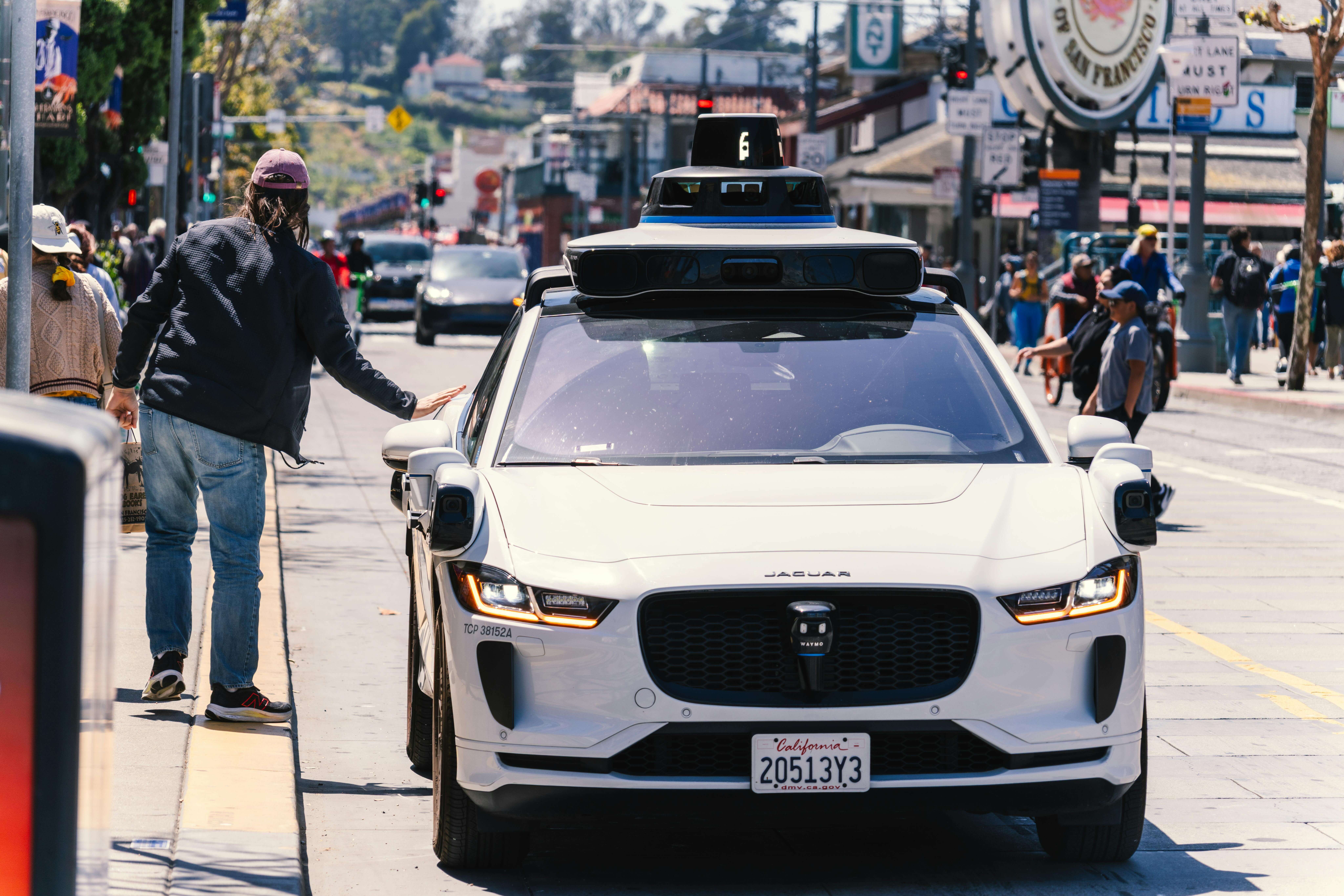 Autonomous vehicles (AVs) are designed to operate without human intervention, using sensors, cameras, artificial intelligence, and machine learning to navigate roads. In theory, they can reduce accidents caused by human error, which accounts for the majority of road incidents worldwide.
For many, AVs represent increased accessibility. Elderly individuals, people with disabilities, and those unable to drive could gain newfound independence. Additionally, automation could lead to more efficient transportation systems, reducing emissions and improving urban planning.
But as these vehicles become more capable, the question arises: who is responsible when something goes wrong? This is where ethical and human rights issues begin to surface.
The Ethics of Decision-Making
One of the most discussed ethical dilemmas surrounding autonomous vehicles is the “trolley problem.” Imagine a situation where a self-driving car must choose between two harmful outcomes—protecting its passengers or minimizing harm to pedestrians. These scenarios force developers to encode moral decisions into algorithms.
Unlike human drivers, who make split-second decisions based on instinct and emotion, AVs rely on pre-programmed logic. This raises critical questions: whose values should guide these decisions? Should the car prioritize the safety of its passengers, or should it aim to minimize overall harm?
There is no universal answer. Different cultures and societies may have varying ethical perspectives, making it difficult to establish a one-size-fits-all solution.
Accountability and Responsibility
In traditional driving, responsibility is relatively clear—the driver is accountable for their actions. However, with autonomous vehicles, responsibility becomes fragmented.
If an accident occurs, who is to blame? Is it the manufacturer, the software developer, the owner of the vehicle, or even the data used to train the AI system?
For example, companies like Tesla have faced scrutiny over accidents involving semi-autonomous driving systems. Determining liability in such cases is complex and often requires new legal frameworks.
Without clear accountability, victims may struggle to seek justice, raising concerns about the protection of human rights in an increasingly automated world.
Privacy and Surveillance Concerns
Autonomous vehicles rely heavily on data. They continuously collect information about their surroundings, including road conditions, traffic patterns, and even pedestrian behavior. While this data is essential for safe operation, it also raises significant privacy concerns.
AVs could potentially track individuals’ movements, creating detailed records of where people go and how they travel. If this data is misused or accessed without consent, it could violate fundamental rights to privacy.
Moreover, the integration of AVs with smart city infrastructure may lead to increased surveillance. Governments and corporations could gain unprecedented access to personal mobility data, raising questions about how this information is stored, shared, and protected.
Bias and Discrimination in AI Systems
Artificial intelligence systems are only as good as the data they are trained on. If the data contains biases, the system may replicate and even amplify them.
In the context of autonomous vehicles, this could have serious consequences. For instance, if an AI system is less accurate at recognizing certain groups of people due to biased training data, it could increase the risk of accidents involving those individuals.
This raises important human rights concerns related to equality and non-discrimination. Ensuring that AV systems are fair and inclusive requires careful design, diverse datasets, and ongoing monitoring.
Accessibility vs. Inequality
While autonomous vehicles have the potential to improve accessibility, they may also exacerbate social inequalities. Advanced technologies are often expensive, and access to AVs may initially be limited to wealthier individuals or regions.
If not managed carefully, this could create a divide where only certain groups benefit from safer and more efficient transportation, while others are left behind.
To address this, policymakers must consider how to make autonomous mobility accessible to all, ensuring that the benefits are distributed equitably.
Impact on Employment
The widespread adoption of autonomous vehicles could significantly impact employment, particularly in industries that rely on driving. Truck drivers, taxi drivers, and delivery workers may face job displacement as automation takes over.
This raises ethical questions about economic rights and social responsibility. How should societies support workers affected by technological change? What measures can be taken to ensure a fair transition?
While new jobs may emerge in technology and maintenance sectors, the shift may not be seamless, requiring proactive planning and policy intervention.
Legal and Regulatory Challenges
Existing traffic laws and regulations are designed for human drivers, not machines. As autonomous vehicles become more common, legal systems must adapt to address new realities.
Governments need to establish clear guidelines for testing, deployment, and operation of AVs. This includes defining liability, ensuring safety standards, and protecting human rights.
International cooperation may also be necessary, as autonomous vehicles are likely to operate across borders. Harmonizing regulations can help create a consistent and reliable framework for global adoption.
Building Trust in Autonomous Systems
For autonomous vehicles to succeed, public trust is essential. People need to feel confident that these systems are safe, reliable, and ethically sound.
Transparency plays a key role in building this trust. Companies must be open about how their systems work, how decisions are made, and how data is used. Engaging with the public and addressing concerns can help foster acceptance.
Education is also important. As people become more familiar with the technology, they may feel more comfortable using it.
The Path Forward
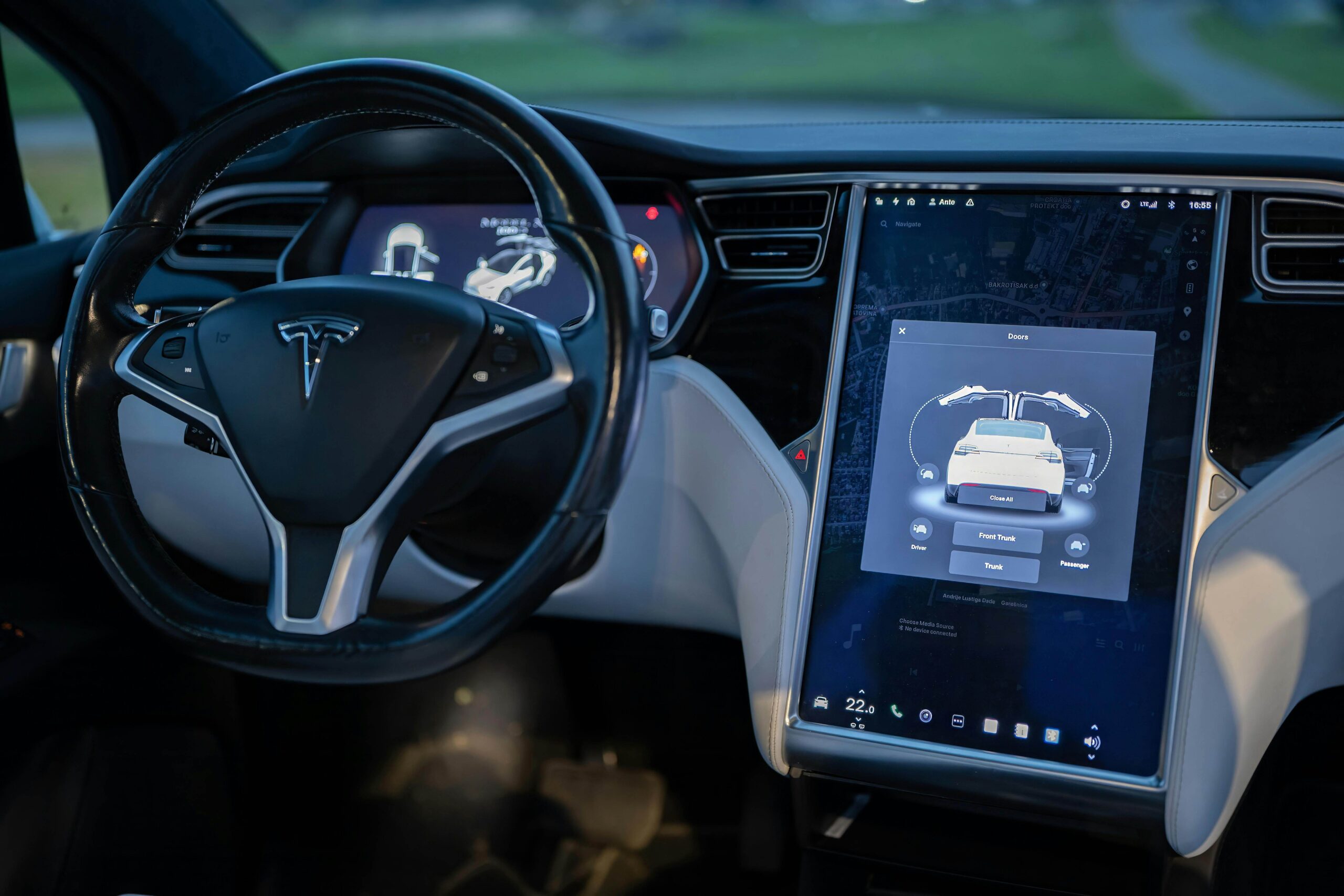
The development of autonomous vehicles presents an opportunity to rethink transportation in a way that prioritizes safety, efficiency, and inclusivity. However, this requires a balanced approach that considers both technological innovation and ethical responsibility.
Collaboration between governments, companies like Waymo and Uber, and civil society is essential. By working together, stakeholders can create policies and systems that uphold human rights while embracing innovation.
Ethical guidelines, robust regulations, and continuous oversight will be crucial in ensuring that autonomous vehicles serve the greater good.
Conclusion
Autonomous vehicles have the potential to transform the way we live and move, offering numerous benefits from improved safety to increased accessibility. However, they also bring complex human rights and ethical challenges that cannot be ignored.
From decision-making algorithms and accountability to privacy, bias, and inequality, these issues require careful consideration and proactive solutions. The goal is not just to build smarter cars but to create a transportation system that respects human dignity, protects rights, and promotes fairness.
As we move toward an autonomous future, the choices we make today will shape the ethical landscape of tomorrow.