

Future of Jobs with Artificial Intelligence: Artificial intelligence is rapidly transforming the way the world works. From automated customer service systems to intelligent data analysis tools, AI technologies are becoming an essential part of modern workplaces. As businesses continue adopting advanced technologies, many experts believe that artificial intelligence will significantly reshape the global labor market by 2030.
AI systems are already capable of performing tasks that once required human intelligence. These include writing content, analyzing data, assisting in medical diagnosis, and even generating computer code. Tools like ChatGPT demonstrate how AI can assist professionals in daily tasks, making work faster and more efficient.
However, the rise of artificial intelligence has also raised important questions about the future of employment. Will AI replace human workers? Will new jobs be created? And what skills will be required in the future workforce?
This article explores how artificial intelligence is expected to influence jobs by 2030, the opportunities it may create, the challenges it may present, and how workers can prepare for the AI-driven future.
Understanding Artificial Intelligence in the Workplace

Artificial intelligence refers to computer systems that can perform tasks that normally require human intelligence. These tasks may include learning from data, recognizing patterns, solving problems, and making decisions.
Leading technology companies such as OpenAI, Google, and Microsoft are developing advanced AI technologies that are transforming industries across the globe.
AI systems are currently being used in many sectors including healthcare, finance, education, transportation, and manufacturing. As AI technology continues to improve, its role in workplaces is expected to expand significantly.
Automation and Job Transformation
One of the most widely discussed impacts of AI is automation. Automation occurs when machines perform tasks that were previously completed by humans.
In the past, automation mainly affected manual labor jobs in factories. Today, artificial intelligence is capable of automating many cognitive tasks such as data entry, scheduling, report generation, and customer support.
However, automation does not necessarily mean that jobs will disappear entirely. In many cases, AI automates specific tasks within jobs rather than replacing entire professions.
For example:
-
Accountants may use AI tools to analyze financial data faster.
-
Doctors may rely on AI systems to support medical diagnoses.
-
Teachers may use AI platforms to personalize learning for students.
This shift means that many jobs will evolve rather than vanish.
Creation of New Job Opportunities
Throughout history, technological innovation has created new types of jobs. The same pattern is expected with artificial intelligence.
As AI technology grows, new career paths are emerging that did not exist a decade ago.
Examples of AI-related careers include:
-
AI engineers
-
Machine learning specialists
-
AI ethics consultants
-
Data scientists
-
AI product managers
-
Robotics technicians
Many organizations are now investing heavily in AI research and development, which increases demand for professionals with advanced technical skills.
Companies like Microsoft and Google are continuously hiring AI specialists to develop and manage intelligent systems.
These opportunities show that AI may generate more jobs in emerging sectors while transforming traditional roles.
The Importance of New Skills
The future workforce will require a different set of skills compared to previous generations.
As AI takes over routine tasks, human workers will need to focus on abilities that machines cannot easily replicate.
Key future skills include:
-
Critical thinking
-
Creativity
-
Emotional intelligence
-
Complex problem solving
-
Digital literacy
-
AI literacy
Educational institutions and training programs are beginning to update their curricula to prepare students for this changing environment.
Learning how to collaborate with AI systems will become an essential skill for many professionals.
Impact on Different Industries
Artificial intelligence will affect industries in different ways. Some sectors may experience rapid transformation, while others may see gradual changes.
Healthcare
AI technologies are already helping doctors analyze medical images, detect diseases, and manage patient data.
However, healthcare professionals will remain essential because medical care requires empathy, judgment, and ethical decision-making.
Finance
In the financial sector, AI is used to detect fraud, analyze market trends, and automate financial reporting.
These tools help financial institutions operate more efficiently while reducing risks.
Manufacturing
Manufacturing has long been influenced by automation. AI-powered robots and smart machines are now improving production efficiency and product quality.
Workers in this sector may transition from manual tasks to supervisory and technical roles.
Education
Artificial intelligence is also changing how education is delivered.
AI-powered platforms can analyze student performance and create personalized learning experiences.
Teachers will increasingly use AI tools to support instruction and improve learning outcomes.
Challenges of AI-Driven Job Transformation

While AI offers many benefits, it also presents several challenges.
Job Displacement
Some jobs that rely heavily on repetitive tasks may become less common as AI systems automate these functions.
Workers in administrative or data processing roles may need to adapt to new technologies.
Skill Gaps
As demand grows for AI-related skills, there may be a shortage of workers who possess the necessary expertise.
This gap highlights the importance of education, training, and lifelong learning.
Economic Inequality
If access to AI education and technology is uneven, certain groups may benefit more from the AI revolution than others.
Governments and organizations must ensure that opportunities are accessible to a broad range of people.
The Role of Governments and Policy
Governments will play a critical role in shaping how AI affects the future of jobs.
Policy makers must focus on strategies such as:
-
Supporting worker retraining programs
-
Promoting digital education
-
Encouraging responsible AI development
-
Protecting workers’ rights in automated workplaces
By implementing thoughtful policies, governments can help ensure that AI benefits society as a whole.
Collaboration Between Humans and AI
The future of work will likely involve collaboration between humans and intelligent machines.
AI excels at processing large amounts of data and identifying patterns. Humans, on the other hand, possess creativity, empathy, and complex decision-making abilities.
By combining these strengths, organizations can achieve higher levels of productivity and innovation.
This concept is often described as human-AI collaboration, where technology enhances human capabilities rather than replacing them.
Preparing for the Future Workforce
Workers who want to succeed in the AI-driven economy should start preparing today.
Important steps include:
-
Learning digital and technological skills
-
Staying informed about emerging technologies
-
Developing adaptability and continuous learning habits
-
Building creative and interpersonal abilities
Educational institutions, businesses, and governments must work together to support workforce transformation.
Looking Ahead to 2030
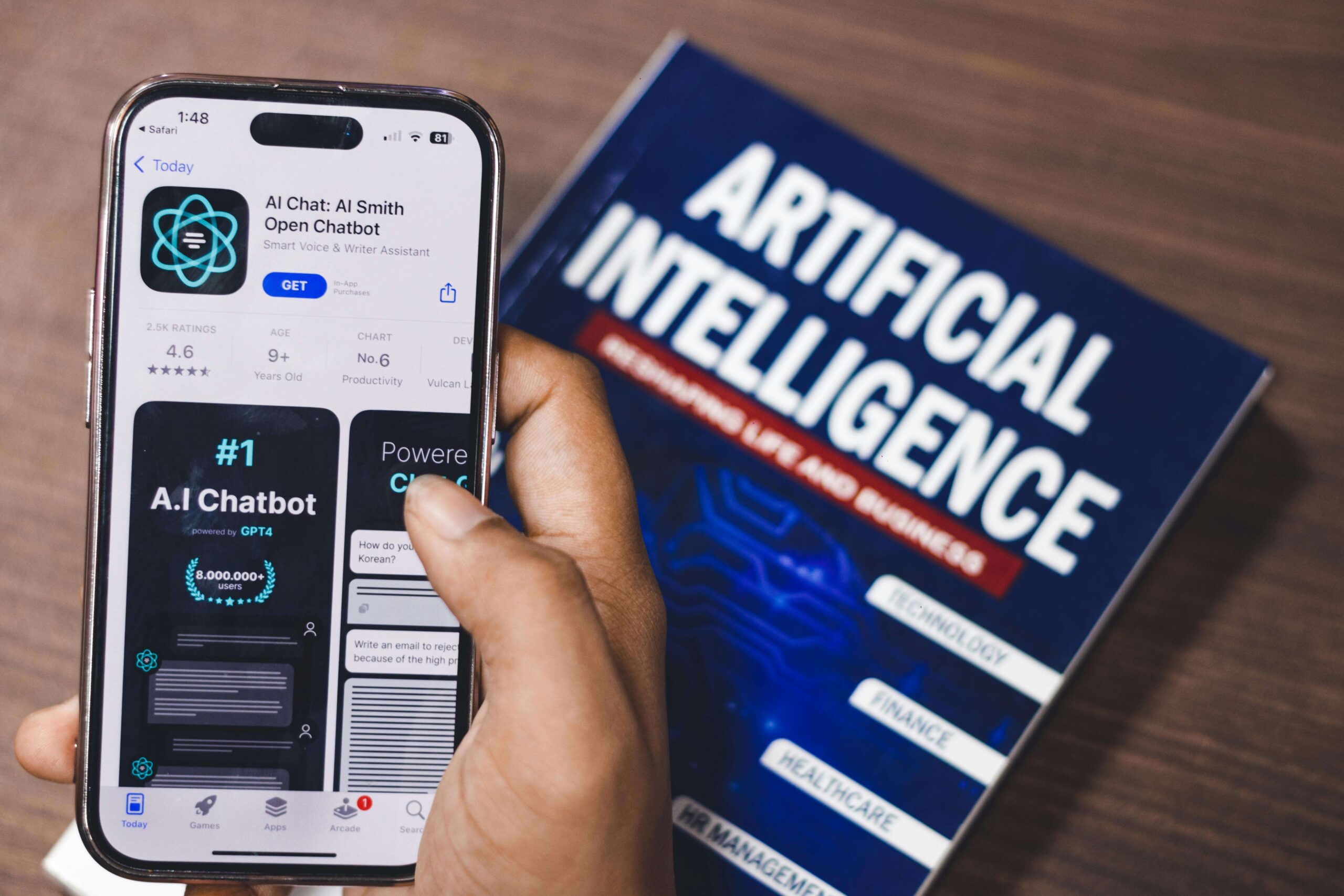
By 2030, artificial intelligence is expected to become deeply integrated into many aspects of professional life.
Workplaces will likely include AI-powered assistants, intelligent automation systems, and advanced decision-support tools.
Rather than replacing human workers entirely, AI will likely reshape job roles, create new career paths, and change how work is performed.
Organizations that embrace innovation while supporting their employees will be better positioned to thrive in the AI-powered future.
Conclusion
Artificial intelligence is one of the most transformative technologies of the modern era. As we move toward 2030, AI will continue to reshape industries, redefine job roles, and create new economic opportunities.
Technologies developed by companies like OpenAI, Google, and Microsoft are already demonstrating how AI can enhance productivity and innovation.
While the transition may present challenges such as job displacement and skill gaps, it also offers enormous potential for economic growth and human advancement.
By investing in education, embracing technological change, and promoting responsible AI development, society can ensure that the future of jobs in the age of artificial intelligence is both inclusive and prosperous.