

Artificial intelligence is transforming dental hygienist technology by making oral care more accurate, efficient, and personalized. From AI-powered dental imaging to predictive analytics, modern tools are helping dental professionals detect oral diseases earlier, improve treatment planning, and deliver better patient outcomes. As AI continues to evolve, dental practices can provide preventive care that supports healthier smiles and enhances the overall patient experience.
Understanding AI in Dental Hygiene
As dental care rapidly moves toward a digital-first era, artificial intelligence is shifting from a futuristic concept into an everyday clinical asset. Rather than replacing human care, AI functions as a powerful tool that enhances diagnostic precision, streamlines workflows, and personalizes patient outcomes. To appreciate its full impact, it helps to look at how these technologies are actively being integrated into daily clinical routines.
What Is Artificial Intelligence in Dental Hygiene?
Modern dental hygienist technology relies heavily on artificial intelligence, utilizing machine learning algorithms and intelligent software to assist dental professionals in diagnosing oral conditions, analyzing dental images, and creating personalized treatment plans. AI systems process thousands of dental records and images to identify patterns that support faster and more accurate clinical decisions.
How AI Supports Dental Professionals
AI works alongside dentists and dental hygienists rather than replacing them. It automates repetitive tasks, improves diagnostic confidence, and helps identify early signs of cavities, gum disease, and bone loss while allowing clinicians to focus more on patient care.
Why AI Matters for Modern Oral Health
Modern dentistry is shifting heavily toward preventive care. Integrating AI into daily dental hygiene routines enables early intervention by detecting problems before they become serious, helping reduce treatment costs and improve long-term oral health.
Key Applications of AI in Dental Hygiene
Artificial intelligence is no longer just a futuristic idea in dentistry—it is actively transforming day-to-day dental hygiene practices. By processing complex clinical data and high-resolution imaging in real time, AI tools enhance the precision, speed, and reliability of oral care. From automating routine image analysis to detecting early-stage oral health issues before they become severe, AI is giving clinicians powerful resources to elevate patient care. Below are the key ways AI is transforming dental hygienist technology today.
AI-Powered Dental Imaging and X-Ray Analysis
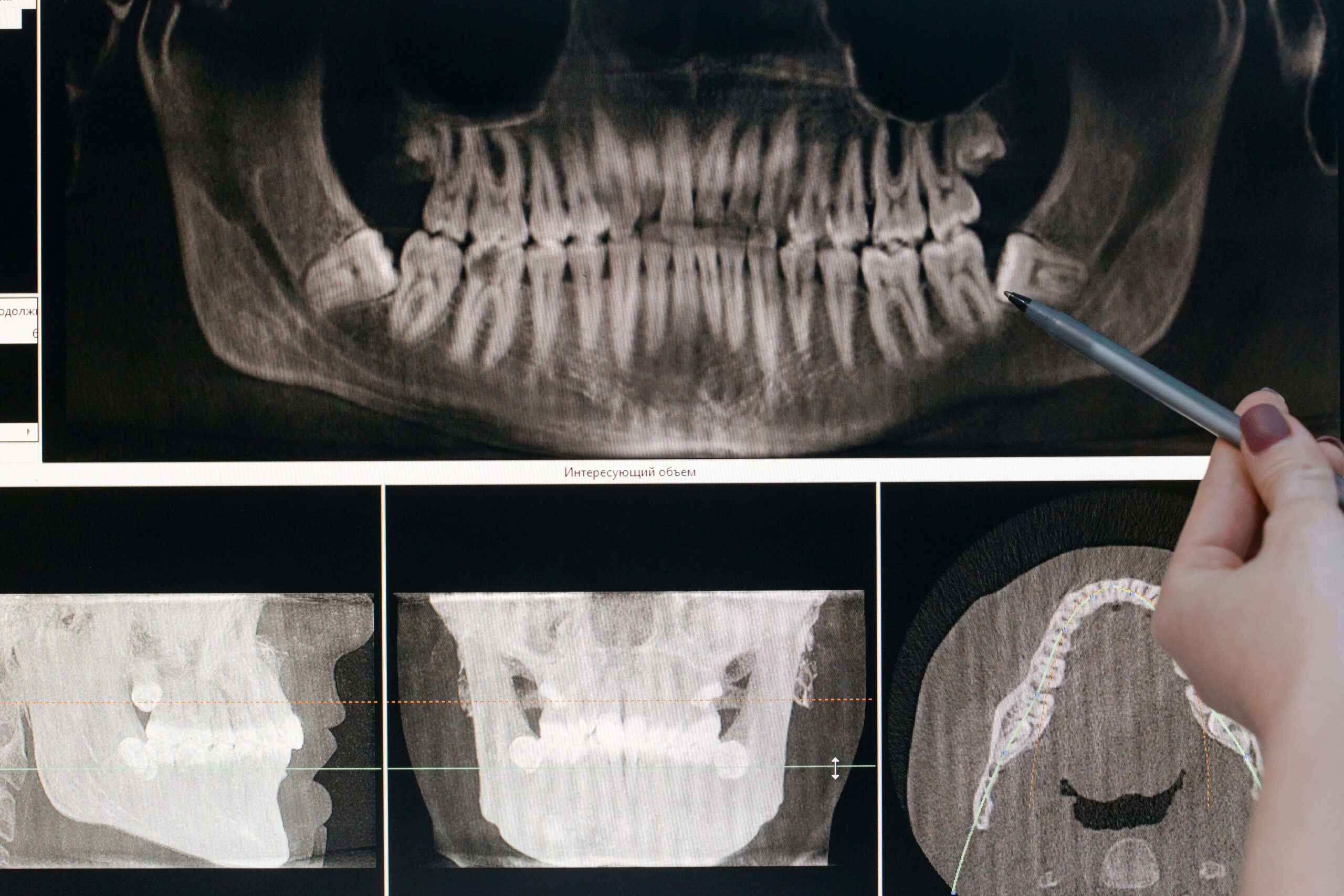
AI analyzes dental X-rays with remarkable accuracy, making it a cornerstone of AI in dental hygiene for identifying cavities, fractures, infections, impacted teeth, and bone loss. These intelligent systems help clinicians detect issues that may be difficult to spot during manual reviews.
Early Detection of Gum Disease and Cavities
Machine learning models evaluate periodontal health and monitor gum recession over time. Early identification allows dental hygienists to recommend preventive treatments before conditions become severe.
Personalized Preventive Care Using Predictive Analytics
AI evaluates patient history, oral habits, and health records to estimate future risks. This allows providers to recommend customized preventive care plans based on each patient’s individual needs.
Benefits of AI for Patients and Dental Practices
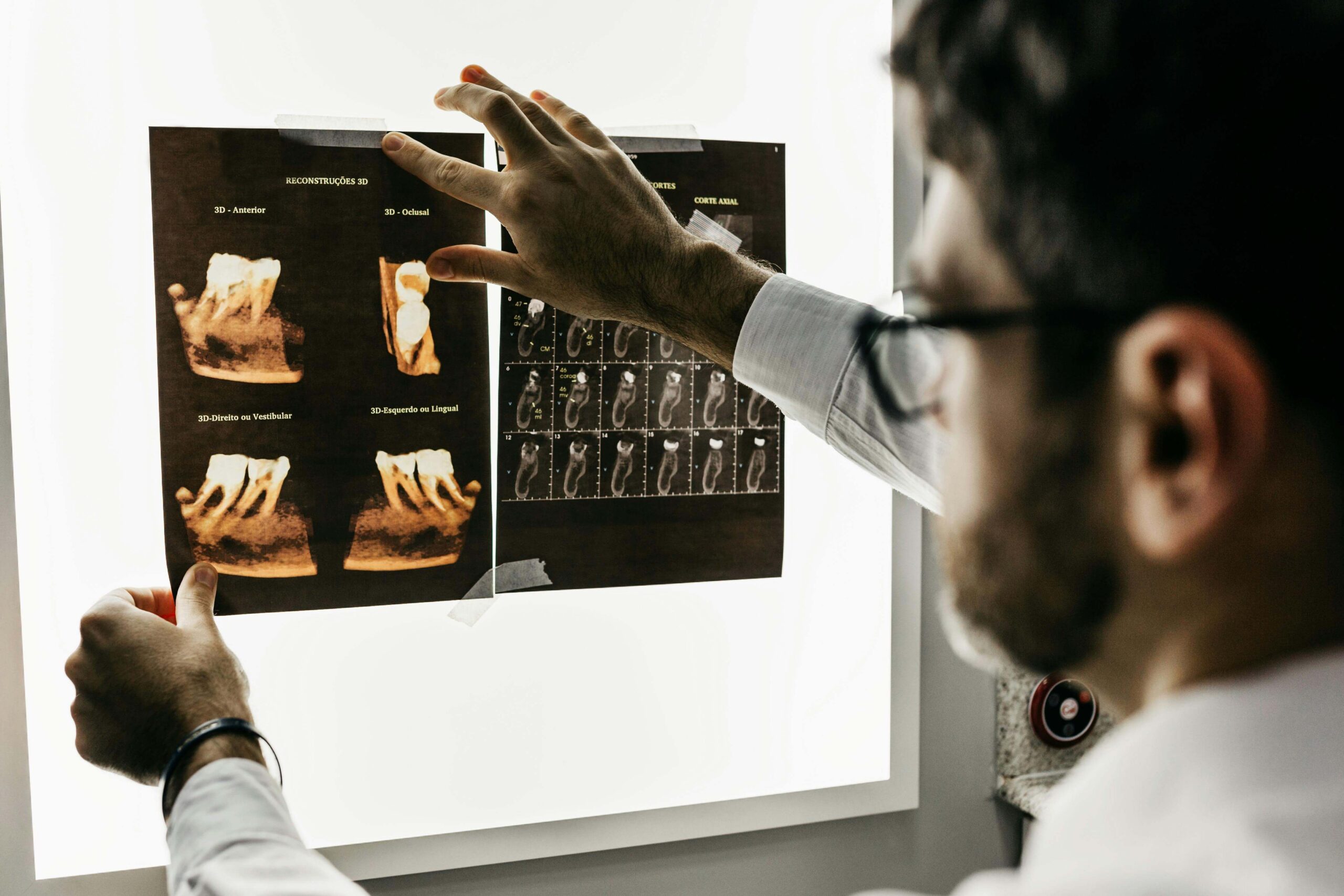
Integrating artificial intelligence into dental practices delivers a powerful win-win for both healthcare providers and their patients. By streamlining clinical workflows, reducing administrative burdens, and sharpening diagnostic accuracy, AI allows dental teams to operate with greater efficiency while elevating the standard of care. For patients, this translates into earlier detection, clearer communication regarding treatment options, and a overall faster, more comfortable care experience.
Improved Diagnostic Accuracy
Enhancing dental hygiene diagnostics with AI reduces human error by providing data-driven insights that support more reliable diagnoses and treatment recommendations.
Better Patient Experience and Education
Interactive AI visuals help patients understand their oral health by highlighting problem areas on dental images. This improves communication and encourages informed treatment decisions.
Greater Efficiency for Dental Clinics
AI-powered software streamlines appointment scheduling, patient documentation, billing support, and workflow management, allowing dental teams to serve more patients efficiently.
Challenges of Implementing AI in Dental Hygiene
While artificial intelligence offers game-changing potential for modern oral care, integrating these advanced systems into daily clinical practice comes with distinct obstacles. From protecting sensitive patient data and managing upfront implementation costs to ensuring technology complements rather than replaces clinical judgment, dental practices must address several key hurdles to adopt AI safely and effectively.
Data Privacy and Cybersecurity
Because AI systems used in dental hygiene process sensitive patient information, practices must maintain strong cybersecurity measures and comply with healthcare privacy regulations to protect patient data.
Cost and Staff Training
Implementing AI technology often requires an upfront investment and ongoing training. However, improved productivity and diagnostic accuracy can provide long-term value for many practices.
Balancing Technology with Human Expertise
AI should enhance—not replace—the clinical judgment of dentists and dental hygienists. Human experience remains essential when interpreting results and delivering compassionate patient care.
The Future of Dental Hygiene with Artificial Intelligence
As artificial intelligence continues to advance at a rapid pace, the evolution of dental hygienist technology extends far beyond today’s diagnostic tools into proactive, personalized care.more proactive, personalized, and accessible than ever before—shifting the focus from reactive treatment to continuous, real-time prevention. From intelligent home care devices to predictive health models, the next wave of AI innovation promise to transform how patients maintain their oral health and how dental professionals deliver long-term care.
Smart Dental Devices and Remote Monitoring
As AI algorithms become more sophisticated, they will transform dental hygiene by providing increasingly accurate predictions about oral disease risks, enabling earlier intervention and personalized treatment.
Advanced Predictive Oral Healthcare
As AI algorithms become more sophisticated, they will provide increasingly accurate predictions about oral disease risk, enabling earlier intervention and more personalized treatment.
What Patients Can Expect in the Years Ahead
Patients will benefit from faster diagnoses, minimally invasive procedures, and personalized dental treatment plans as AI becomes a standard part of modern dental hygiene.
Conclusion
Artificial intelligence is reshaping dental hygiene by improving diagnostics, enhancing preventive care, and increasing efficiency across dental practices. AI-powered dental imaging, predictive analytics, and intelligent workflow automation enable dental professionals to deliver faster, more accurate, and personalized care.
Although challenges such as implementation costs and data security remain, the long-term advantages far outweigh the obstacles. As AI technology continues to advance, it will play an increasingly important role in helping dental hygienists and dentists provide exceptional oral healthcare while improving patient outcomes