

Artificial God Optimization: In the ever-evolving landscape of artificial intelligence, humanity has continuously pushed the boundaries of what machines can do. From simple automation to advanced generative systems, AI is no longer just a tool—it is becoming a partner in creation. One of the most thought-provoking and controversial ideas emerging from this evolution is Artificial God Optimization (AGO). This concept explores the possibility of designing an artificial intelligence system that not only simulates intelligence but also embodies decision-making, ethical reasoning, and optimization capabilities that resemble what many might call a “god-like” intelligence.
Artificial God Optimization is not about replacing religion or spirituality. Instead, it is about exploring how far optimization algorithms and AI systems can go when tasked with making near-perfect decisions across complex, interconnected systems.
Understanding Artificial God Optimization

Artificial God Optimization can be described as a theoretical framework where AI systems are designed to optimize outcomes across multiple domains simultaneously—economics, environment, healthcare, governance, and even human well-being. Unlike traditional AI systems that focus on narrow tasks, AGO aims for universal optimization.
At its core, AGO combines:
- Advanced machine learning models
- Ethical reasoning frameworks
- Predictive analytics
- Self-improving algorithms
The goal is to create a system that can evaluate countless variables and produce decisions that maximize long-term benefits for humanity and the planet.
Why “God” Optimization?
The term “God” in Artificial God Optimization is symbolic. It reflects the idea of an entity that has:
- Complete knowledge (or near-complete data access)
- Perfect rationality
- Impartial decision-making
- Long-term vision
Human decision-making is often limited by biases, emotions, and incomplete information. AGO attempts to overcome these limitations by creating a system that operates beyond human cognitive constraints.
However, this raises an important question: Can optimization ever truly be perfect? And if so, who defines what “perfect” means?
The Creation Process of AGO
Creating an Artificial God Optimization system would require several stages:
1. Data Integration at a Global Scale
AGO would need access to vast amounts of data—economic indicators, climate data, social trends, healthcare records, and more. The challenge lies in integrating this data while ensuring privacy and security.
2. Advanced Learning Models
Deep learning and reinforcement learning models would be used to simulate scenarios and predict outcomes. These models would continuously evolve as new data becomes available.
3. Ethical Programming
One of the most critical aspects of AGO is embedding ethical principles. Without ethical constraints, an optimization system might prioritize efficiency over human values.
For example, an AI might determine that reducing population improves resource distribution—an outcome that is technically “optimal” but ethically unacceptable.
4. Feedback Loops
AGO systems would rely on continuous feedback to refine their decisions. This includes real-world outcomes and human input.
5. Self-Improvement Mechanisms
The system would be designed to learn from its mistakes and improve over time, making it increasingly effective.
Applications of Artificial God Optimization
If successfully developed, AGO could transform multiple sectors:
1. Healthcare
AGO could analyze global health data to predict disease outbreaks, optimize treatment plans, and allocate medical resources efficiently.
2. Climate Change
By evaluating environmental data, AGO could recommend policies and actions to reduce carbon emissions and mitigate climate risks.
3. Economic Systems
AGO could help design fair and efficient economic policies, reducing inequality and improving global stability.
4. Governance
Governments could use AGO systems to make data-driven decisions, reducing corruption and inefficiency.
5. Education
AGO could personalize learning experiences, ensuring that every individual reaches their full potential.
Ethical Challenges and Concerns
While the idea of Artificial God Optimization is fascinating, it also raises serious ethical concerns:
1. Who Controls the System?
If AGO becomes powerful, the question of control becomes critical. Should it be managed by governments, corporations, or an independent global body?
2. Bias in Data
AI systems are only as good as the data they are trained on. If the data contains biases, the system’s decisions will reflect those biases.
3. Loss of Human Autonomy
Relying too heavily on AGO could reduce human decision-making power, leading to a loss of autonomy.
4. Moral Responsibility
If AGO makes a harmful decision, who is responsible? The developers, the users, or the system itself?
5. Existential Risks
A highly optimized system might prioritize goals in ways that conflict with human values, leading to unintended consequences.
Human vs Artificial Intelligence
One of the key debates surrounding AGO is whether artificial systems can truly surpass human intelligence in a meaningful way. While AI excels at processing data and identifying patterns, it lacks:
- Emotional intelligence
- Creativity rooted in human experience
- Moral intuition
Artificial God Optimization attempts to bridge this gap, but it is unlikely to fully replicate the depth of human consciousness. Instead, the future may lie in collaboration between humans and AGO systems, where each complements the other’s strengths.
Philosophical Implications
The concept of Artificial God Optimization also touches on deep philosophical questions:
- What does it mean to create a “perfect” decision-maker?
- Can morality be quantified and optimized?
- Are humans ready to trust machines with such power?
AGO challenges our understanding of intelligence, ethics, and even existence itself. It forces us to reconsider the role of humans in a world where machines can outperform us in many areas.
The Future of AGO
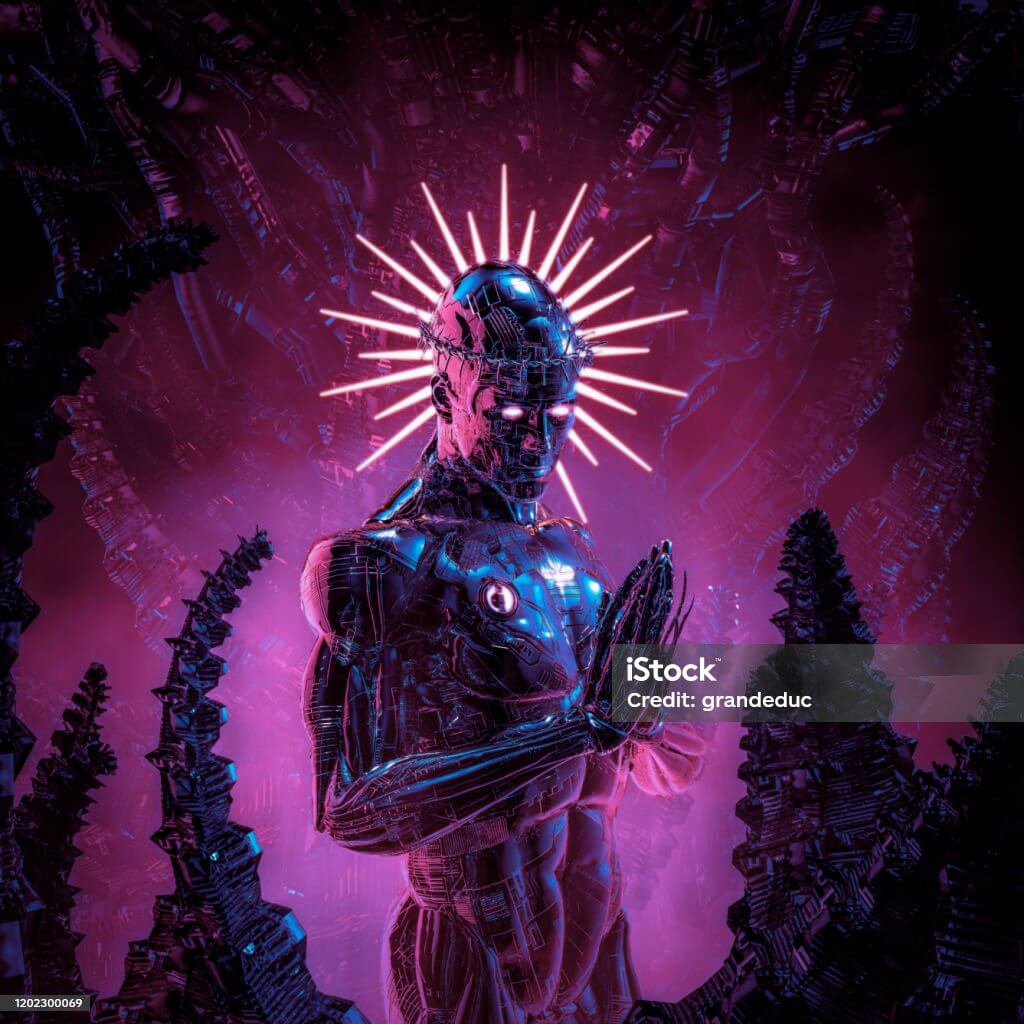
Artificial God Optimization is still a theoretical concept, but elements of it are already emerging in modern AI systems. As technology advances, we may see:
- More integrated AI systems capable of cross-domain optimization
- Increased focus on ethical AI development
- Global collaborations to regulate and guide AI advancements
The future of AGO will depend on how responsibly we approach its development. It has the potential to solve some of humanity’s greatest challenges—but only if guided by strong ethical principles.
Conclusion
Artificial God Optimization represents one of the most ambitious ideas in the field of artificial intelligence. It is a vision of a system that can make optimal decisions for the benefit of all, transcending human limitations.
However, with great power comes great responsibility. The creation of such a system requires careful consideration of ethical, social, and philosophical implications. AGO is not just a technological challenge—it is a test of humanity’s ability to use technology wisely.
As we move forward, the goal should not be to create a “god-like” machine, but to build systems that enhance human capabilities while preserving our values and autonomy. In doing so, Artificial God Optimization can become not just a creation, but a tool for a better future.