

AI Race Narrative: In recent years, a powerful narrative has taken hold across governments, media, and technology circles: the idea of an “AI race.” According to this story, nations are locked in a high-stakes competition to dominate artificial intelligence, and whoever wins will control the future—economically, militarily, and politically. It’s a compelling narrative, filled with urgency and ambition. But beneath its surface lies a dangerous fiction—one that risks distorting priorities, amplifying fears, and shaping policies in ways that may ultimately do more harm than good.
This article explores the rhetoric surrounding the so-called AI race and contrasts it with the more complex, nuanced reality of how AI is actually deployed, and governed.
The Rise of the “AI Race” Narrative
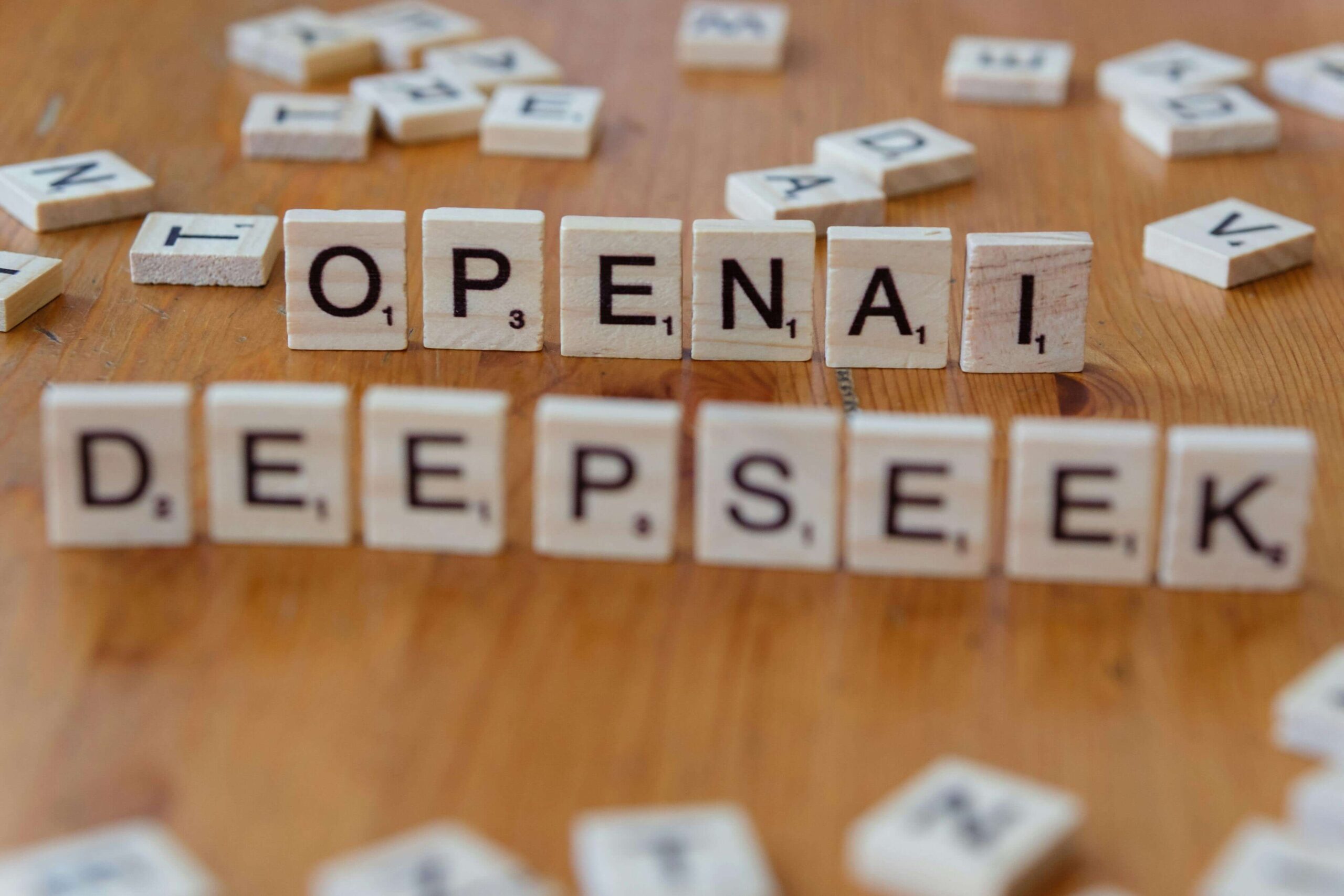
The concept of an AI race gained traction as countries began investing heavily in artificial intelligence research. Headlines framed AI as the new “space race,” drawing comparisons to historical rivalries where technological supremacy symbolized global power.
This framing quickly became popular because it is simple and emotionally compelling. It suggests:
- A clear competition
- A definitive winner and loser
- A sense of urgency and existential stakes
But while this narrative may capture attention, it oversimplifies a deeply interconnected and collaborative field.
Rhetoric vs Reality
Rhetoric: AI as a Zero-Sum Game
The AI race narrative assumes that one nation’s gain is another’s loss. It portrays AI development as a competition where dominance by one actor diminishes others.
Reality: AI as a Collaborative Ecosystem
In truth, AI development is highly globalized. Researchers collaborate across borders, share findings openly, and build upon each other’s work. Many breakthroughs are the result of international cooperation rather than isolated competition.
Major AI advancements often emerge from:
- Open-source communities
- Academic collaborations
- Cross-border corporate partnerships
This interconnectedness challenges the idea of a simple “race.”
The Role of Fear in Shaping the Narrative
The rhetoric of the AI race is often fueled by fear—fear of falling behind, fear of losing economic power, and fear of potential misuse.
Fear can be a powerful motivator, but it also has consequences:
- It encourages rushed decision-making
- It prioritizes speed over safety
- It can justify reduced transparency
When fear dominates the conversation, ethical considerations may take a back seat.
Policy Implications of the AI Race Mindset
Believing in an AI race can significantly influence how governments approach policy.
1. Increased Militarization
AI is increasingly seen as a strategic asset in defense. The race narrative can accelerate the development of autonomous weapons and surveillance systems.
2. Reduced Collaboration
Countries may become less willing to share knowledge, fearing that cooperation could weaken their competitive position.
3. Regulatory Shortcuts
In the rush to stay ahead, governments might relax regulations, potentially leading to unsafe or unethical AI deployment.
Economic Realities
The AI race narrative often suggests that economic dominance will hinge entirely on AI leadership. While AI is undoubtedly important, this view ignores several realities:
- Economic growth depends on multiple factors, including infrastructure, education, and governance
- AI benefits are widely distributed across industries and regions
- Smaller players can still innovate and compete effectively
Rather than a winner-takes-all scenario, AI is more accurately described as a diffuse and shared economic driver.
The Myth of a Single Winner
One of the most misleading aspects of the AI race narrative is the idea that there will be a single “winner.”
In reality:
- Different countries excel in different areas (research, application, regulation)
- AI development is ongoing and evolving, not a finite competition
- Success is multidimensional, not binary
This makes the concept of “winning” the AI race both vague and unrealistic.
Ethical Risks of the Race Mentality
When AI is framed as a race, ethical concerns can become secondary. This is particularly dangerous given the profound impact AI systems can have on society.
Key Risks Include:
- Bias and discrimination in AI systems
- Privacy violations through mass surveillance
- Lack of accountability in automated decisions
A race mindset can lead to the deployment of systems before they are fully understood or tested.
Reframing the Conversation
If the AI race is a misleading narrative, what should replace it?
1. AI as a Public Good
Instead of competition, AI can be viewed as a shared resource that benefits humanity as a whole.
2. Emphasis on Governance
Strong regulatory frameworks can ensure that AI development aligns with societal values.
3. International Cooperation
Global challenges—such as climate change and public health—require collaborative AI solutions.
Humanizing the Debate
At its core, the AI race narrative reduces a complex technological evolution into a simplistic competition. But AI is not just about power or dominance—it is about people.
It affects:
- Workers adapting to new job landscapes
- Patients benefiting from improved healthcare
- Communities navigating ethical and social changes
By focusing on human impact rather than abstract competition, we can create a more balanced and responsible approach to AI development.
The Role of Media and Language
Language shapes perception. The repeated use of terms like “race” and “competition” reinforces a sense of urgency and rivalry.
Media narratives play a significant role in:
- Influencing public opinion
- Shaping policy debates
- Guiding investment decisions
A shift in language—from competition to collaboration—could lead to more constructive outcomes.
The Reality of Progress
AI progress is not linear or predictable. It involves:
- Breakthroughs and setbacks
- Ethical debates and policy adjustments
- Continuous learning and adaptation
This complexity does not fit neatly into the framework of a race. Instead, it resembles an ongoing journey with many participants and shared goals.
Looking Ahead

The future of AI will likely be shaped by a combination of competition and cooperation. While some level of rivalry can drive innovation, it must be balanced with collaboration and ethical responsibility.
Key priorities for the future include:
- Building trustworthy AI systems
- Ensuring equitable access to technology
- Promoting transparency and accountability
Conclusion
The idea of an AI race is a powerful story—but it is also a misleading one. By framing AI development as a zero-sum competition, it risks encouraging fear-driven policies, ethical shortcuts, and reduced collaboration.
In reality, AI is a global, interconnected endeavor that thrives on shared knowledge and collective effort. Recognizing this complexity allows us to move beyond simplistic narratives and toward a more thoughtful, human-centered approach.
The most dangerous fiction is not just the idea of an AI race—it is the belief that such a race is the only way forward. By challenging this narrative, we open the door to a future where AI is developed not for dominance, but for the benefit of all.