

AI in Oncology Diagnosis: Cancer remains one of the most challenging diseases facing humanity. Despite decades of research and medical advancements, early detection and effective treatment planning continue to determine the difference between life and death for millions of patients worldwide. In recent years, artificial intelligence (AI) has emerged as a transformative force in oncology, offering new ways to detect cancer earlier and design highly personalized treatment strategies. By combining vast data analysis, pattern recognition, and predictive modeling, AI is reshaping how healthcare professionals approach cancer care.
The Importance of Early Diagnosis in Oncology
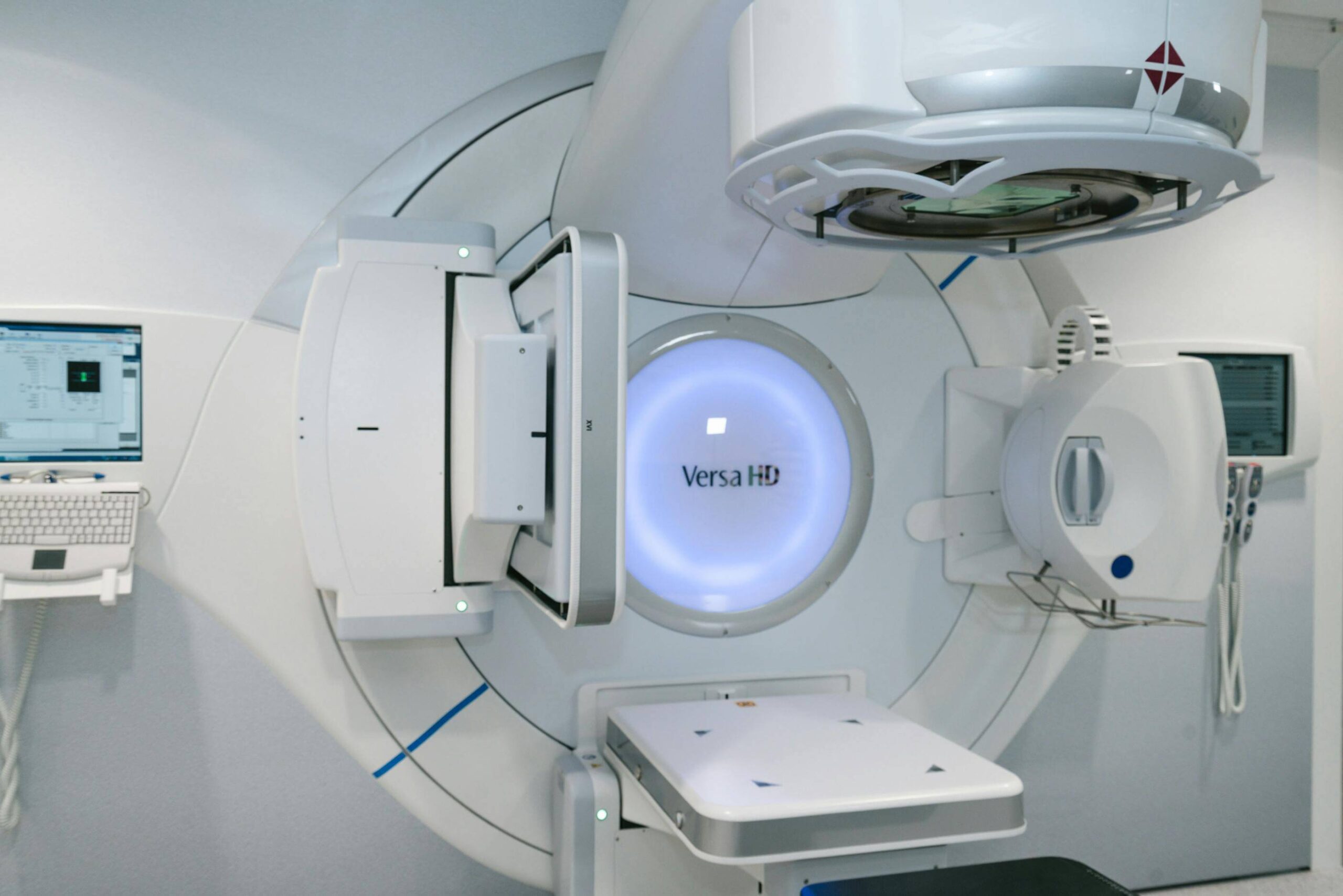
Early diagnosis is critical in cancer treatment. When cancer is detected at an early stage, the chances of successful treatment and survival increase significantly. Traditional diagnostic methods, such as imaging scans, biopsies, and laboratory tests, rely heavily on human expertise. While these methods are effective, they are also prone to limitations such as human error, variability in interpretation, and delayed results.
AI addresses many of these challenges by enhancing the accuracy, speed, and consistency of diagnosis. Machine learning algorithms can analyze large datasets far more efficiently than humans, identifying subtle patterns that may indicate the presence of cancer even before symptoms appear.
AI-Powered Medical Imaging
One of the most impactful applications of AI in oncology is in medical imaging. Technologies such as X-rays, CT scans, MRIs, and mammograms generate vast amounts of visual data. AI systems, particularly those based on deep learning, can process these images to detect abnormalities with remarkable precision.
For example, AI algorithms can identify tiny tumors in mammograms that might be missed by radiologists. Similarly, in lung cancer detection, AI can analyze CT scans to detect nodules at an early stage. These systems are trained on thousands or even millions of images, allowing them to recognize patterns that are difficult for the human eye to detect.
Moreover, AI does not replace radiologists but acts as a powerful assistant. It provides a second opinion, reduces diagnostic errors, and speeds up the interpretation process, ultimately leading to quicker decision-making.
Predictive Analytics and Risk Assessment
AI is also revolutionizing how doctors assess cancer risk. By analyzing patient data such as genetic information, lifestyle factors, medical history, and environmental exposure, AI can predict the likelihood of developing certain types of cancer.
Predictive models enable healthcare providers to identify high-risk individuals and recommend preventive measures or regular screenings. For instance, AI can help determine the risk of breast cancer based on genetic mutations and family history, allowing for earlier intervention.
This shift from reactive to proactive healthcare is one of the most significant benefits of AI. Instead of waiting for symptoms to appear, doctors can take preventive actions, improving long-term outcomes.
AI in Pathology and Biomarker Detection
Pathology plays a crucial role in diagnosing cancer by examining tissue samples under a microscope. However, traditional pathology is time-consuming and depends heavily on the expertise of pathologists.
AI-powered digital pathology systems can analyze tissue samples with high accuracy. These systems can detect cancer cells, classify tumor types, and even identify biomarkers that are essential for targeted therapy. Biomarkers are biological indicators that help determine how a patient will respond to a particular treatment.
By automating parts of the pathology process, AI reduces workload, minimizes errors, and ensures faster results. This is especially valuable in regions with limited access to skilled pathologists.
Personalized Treatment Plans
One of the most promising applications of AI in oncology is the development of personalized treatment plans. Cancer is not a single disease but a collection of diverse conditions that vary from patient to patient. What works for one patient may not work for another.
AI analyzes vast datasets, including clinical trials, patient records, genomic data, and treatment outcomes, to recommend the most effective treatment options for individual patients. This approach, often referred to as precision medicine, ensures that treatments are tailored to the unique characteristics of each patient’s cancer.
For example, AI can help oncologists choose between chemotherapy, immunotherapy, radiation therapy, or a combination of treatments based on the patient’s specific condition. It can also predict how a patient is likely to respond to a particular therapy, reducing the trial-and-error approach traditionally used in cancer treatment.
Drug Discovery and Development
AI is accelerating the discovery of new cancer treatments. Traditional drug development is a lengthy and expensive process, often taking years to bring a new drug to market. AI can analyze molecular structures, simulate drug interactions, and identify potential candidates much faster.
By predicting how different compounds will interact with cancer cells, AI helps researchers focus on the most promising options. This not only speeds up the development process but also reduces costs and increases the likelihood of success.
Additionally, AI can identify new uses for existing drugs, a process known as drug repurposing. This can lead to faster availability of treatments for patients.
Monitoring and Follow-Up Care
AI is also improving how patients are monitored during and after treatment. Wearable devices and mobile health applications collect real-time data on patients’ vital signs, activity levels, and symptoms. AI analyzes this data to detect any signs of complications or disease recurrence.
For example, AI systems can alert doctors if a patient shows early signs of relapse, enabling timely intervention. This continuous monitoring enhances patient care and reduces the need for frequent hospital visits.
Challenges and Ethical Considerations
Despite its many benefits, the use of AI in oncology comes with challenges. Data privacy is a major concern, as AI systems rely on large amounts of sensitive patient information. Ensuring that this data is securely stored and used ethically is essential.
Another challenge is the need for high-quality data. AI models are only as good as the data they are trained on. Inaccurate or biased data can lead to incorrect predictions and potentially harmful outcomes.
There is also the issue of trust. Patients and healthcare providers must have confidence in AI systems. This requires transparency in how AI models work and clear explanations of their recommendations.
Furthermore, the integration of AI into healthcare systems requires significant investment in infrastructure, training, and regulatory frameworks.
The Future of AI in Oncology

The future of AI in oncology is incredibly promising. As technology continues to evolve, AI systems will become even more accurate and reliable. Advances in areas such as genomics, big data, and cloud computing will further enhance the capabilities of AI.
In the coming years, we can expect AI to play an even greater role in early detection, enabling cancers to be identified at their earliest and most treatable stages. Personalized medicine will become the standard, with treatments tailored to each patient’s unique profile.
Collaboration between AI developers, healthcare professionals, and policymakers will be crucial in overcoming challenges and ensuring that the benefits of AI are accessible to all.
Conclusion
Artificial intelligence is transforming oncology by improving early diagnosis and enabling personalized treatment plans. From medical imaging and predictive analytics to drug discovery and patient monitoring, AI is enhancing every aspect of cancer care.
While challenges remain, the potential of AI to save lives and improve patient outcomes is undeniable. By embracing this technology and addressing its limitations, the healthcare industry can move toward a future where cancer is detected earlier, treated more effectively, and ultimately, better controlled.
AI is not just a tool; it is a powerful partner in the fight against cancer, offering hope to millions of patients around the world.