

AI in Oil and Gas Industry: The global oil and gas industry has long been a cornerstone of economic development, powering industries, transportation, and modern life. However, it is also one of the largest contributors to environmental challenges, including greenhouse gas emissions, resource depletion, and ecological disruption. In recent years, Artificial Intelligence (AI) has emerged as a transformative tool with the potential to make this traditionally resource-intensive industry more sustainable. A systematic review of existing research reveals how AI is reshaping operations, improving efficiency, and supporting environmental goals in the oil and gas sector.
Introduction to AI in Oil and Gas
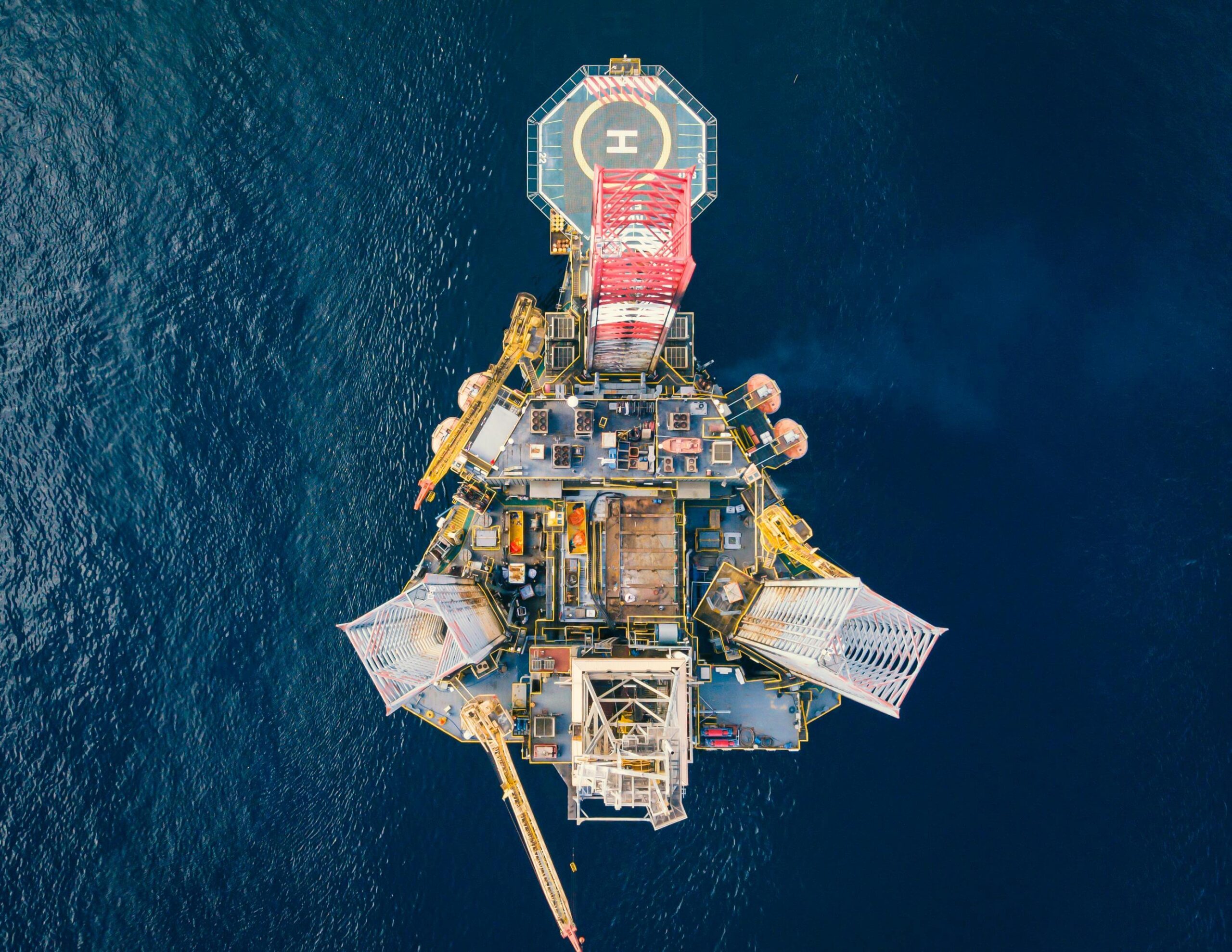
Artificial Intelligence refers to the use of advanced computational systems that can analyze data, learn from patterns, and make decisions with minimal human intervention. In the oil and gas industry, AI is applied across the entire value chain—from exploration and drilling to production, transportation, and refining.
The increasing availability of big data, combined with advancements in machine learning and predictive analytics, has enabled companies to optimize operations and reduce waste. This integration of AI is not only improving profitability but also addressing the urgent need for sustainability.
Methodological Overview of the Literature
A systematic literature review involves collecting, analyzing, and synthesizing findings from multiple academic and industry studies. Research on AI in the oil and gas sector highlights several key themes: operational efficiency, environmental impact reduction, predictive maintenance, and safety enhancement.
Studies consistently show that AI technologies can process vast datasets generated by sensors, equipment, and monitoring systems. This capability allows for real-time decision-making and improved resource management.
AI in Exploration and Reservoir Management
One of the earliest stages of oil and gas operations is exploration, which involves identifying potential reserves beneath the Earth’s surface. Traditionally, this process has been time-consuming and expensive, with a high degree of uncertainty.
AI is revolutionizing exploration by analyzing geological and seismic data with greater accuracy. Machine learning models can identify patterns that indicate the presence of oil and gas deposits, reducing the risk of unsuccessful drilling.
In reservoir management, AI helps optimize extraction processes. By predicting how reservoirs will behave over time, companies can maximize recovery rates while minimizing environmental impact. This leads to more efficient use of resources and reduced waste.
Enhancing Drilling Efficiency
Drilling is one of the most critical and costly operations in the oil and gas industry. AI-driven systems can monitor drilling parameters in real time, adjusting operations to improve efficiency and prevent accidents.
Predictive analytics can identify potential issues before they occur, such as equipment failure or unstable geological conditions. This reduces downtime, lowers costs, and enhances safety for workers.
Automated drilling systems, guided by AI, can operate with greater precision, minimizing errors and optimizing performance. These advancements contribute to both economic and environmental sustainability.
Predictive Maintenance and Asset Management
Equipment failure in the oil and gas industry can lead to significant financial losses and environmental damage. AI-based predictive maintenance systems analyze data from sensors to detect early signs of wear and tear.
By predicting when equipment is likely to fail, companies can perform maintenance proactively, avoiding unexpected breakdowns. This not only extends the lifespan of assets but also reduces the risk of spills and accidents.
Asset management is also improved through AI, as companies can track and optimize the performance of their infrastructure in real time.
Reducing Environmental Impact
Sustainability is a major concern for the oil and gas industry, and AI plays a crucial role in addressing environmental challenges. AI systems can monitor emissions, detect leaks, and optimize energy consumption.
For example, methane leaks are a significant source of greenhouse gas emissions. AI-powered sensors can quickly identify and locate leaks, enabling rapid response and mitigation. This reduces environmental harm and helps companies comply with regulations.
AI is also used to optimize energy usage in refining processes, reducing carbon footprints and improving overall efficiency.
Improving Safety and Risk Management
Safety is a top priority in the oil and gas industry, where operations often involve hazardous conditions. AI enhances safety by predicting risks and providing real-time insights.
Machine learning models can analyze historical data to identify patterns associated with accidents. This allows companies to implement preventive measures and improve safety protocols.
AI-powered drones and robots are increasingly used for inspections in dangerous environments, reducing the need for human intervention and minimizing risk.
Digital Transformation and Smart Operations
The integration of AI is part of a broader digital transformation in the oil and gas industry. Smart operations, powered by AI and the Internet of Things (IoT), enable real-time monitoring and control of processes.
Digital twins—virtual replicas of physical assets—allow companies to simulate operations and test scenarios without risking real-world consequences. This leads to better decision-making and improved efficiency.
The adoption of AI-driven technologies is creating a more connected and intelligent industry, capable of adapting to changing conditions and demands.
Challenges and Limitations
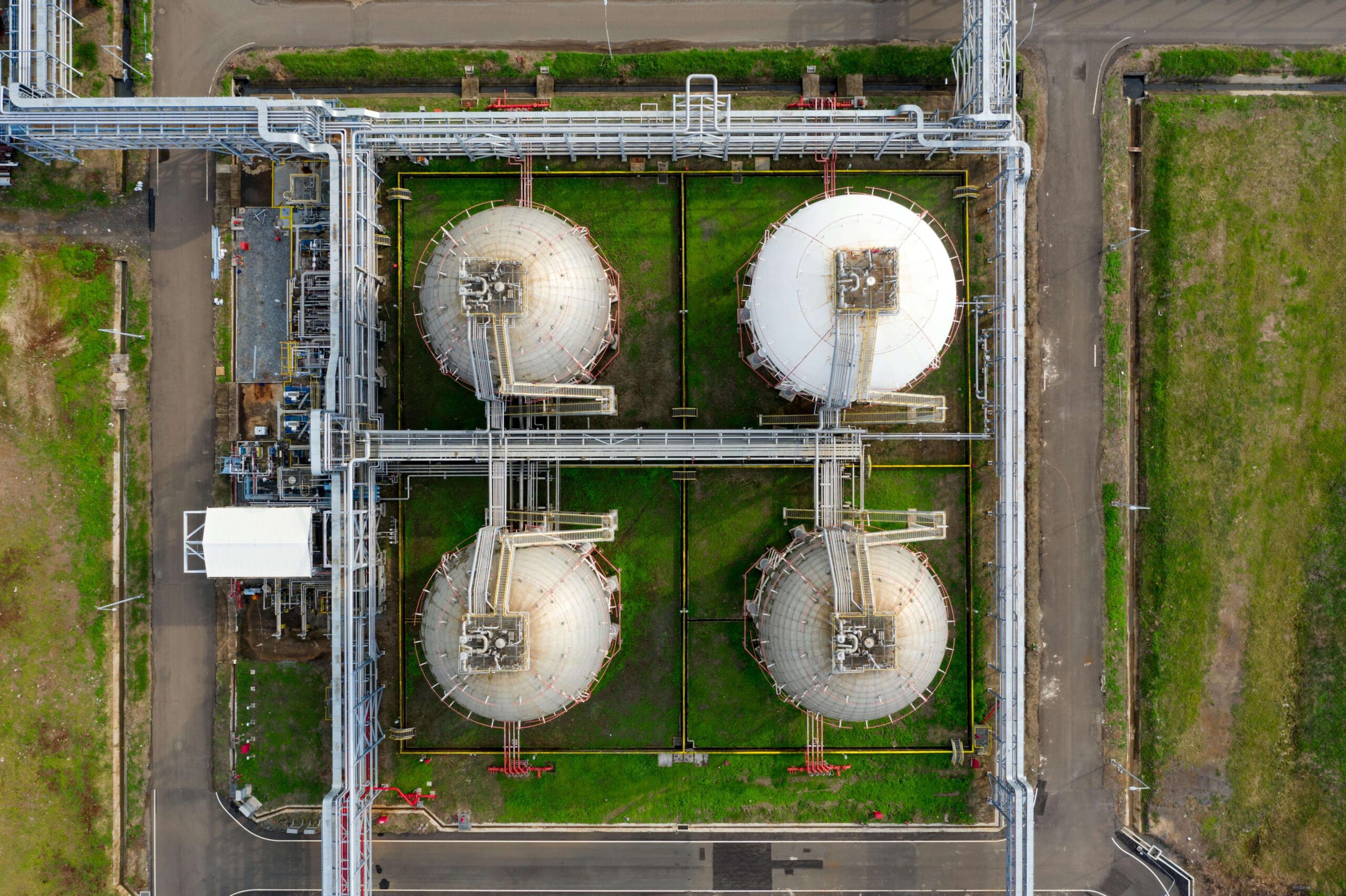
Despite its potential, the implementation of AI in the oil and gas industry faces several challenges. One major issue is data quality and availability. AI systems require large amounts of accurate data, which may not always be accessible.
There is also a need for skilled professionals who can develop and manage AI technologies. The industry must invest in training and education to bridge this skills gap.
Additionally, the high initial cost of implementing AI systems can be a barrier for some companies. However, the long-term benefits often outweigh these costs.
Ethical and regulatory considerations also play a role, as companies must ensure that AI is used responsibly and transparently.
Future Directions
The future of AI in the oil and gas industry is promising. Continued advancements in technology will enable even greater levels of efficiency and sustainability.
Research is focusing on integrating AI with renewable energy systems, creating hybrid models that combine traditional and sustainable energy sources. This could play a key role in the global transition to cleaner energy.
Collaboration between industry, academia, and governments will be essential in driving innovation and addressing challenges.
Conclusion
Artificial Intelligence is transforming the oil and gas industry, offering solutions to some of its most pressing challenges. Through improved efficiency, enhanced safety, and reduced environmental impact, AI is paving the way for a more sustainable future.
A systematic review of the literature highlights the significant potential of AI to revolutionize operations and support sustainability goals. While challenges remain, the continued adoption of AI technologies will be crucial in ensuring the long-term viability of the industry.
As the world moves toward a more sustainable future, the integration of AI in oil and gas represents a critical step in balancing energy needs with environmental responsibility.