

AI Companion Liability: Artificial Intelligence is no longer confined to laboratories or corporate tools—it has entered our personal lives in the form of AI companions. These digital entities, designed to interact, assist, and even emotionally engage with users, are becoming increasingly common. From virtual assistants and chatbots to emotionally responsive AI “friends,” these systems blur the line between technology and human interaction.
But as AI companions become more integrated into daily life, a pressing question arises: who is responsible when something goes wrong?Whether it’s harmful advice, emotional dependency, or privacy breaches, the issue of liability is becoming central to the conversation.
Creating a liability framework for AI companions is not just a legal necessity—it is essential for building trust, protecting users, and guiding innovation responsibly.
Understanding AI Companions
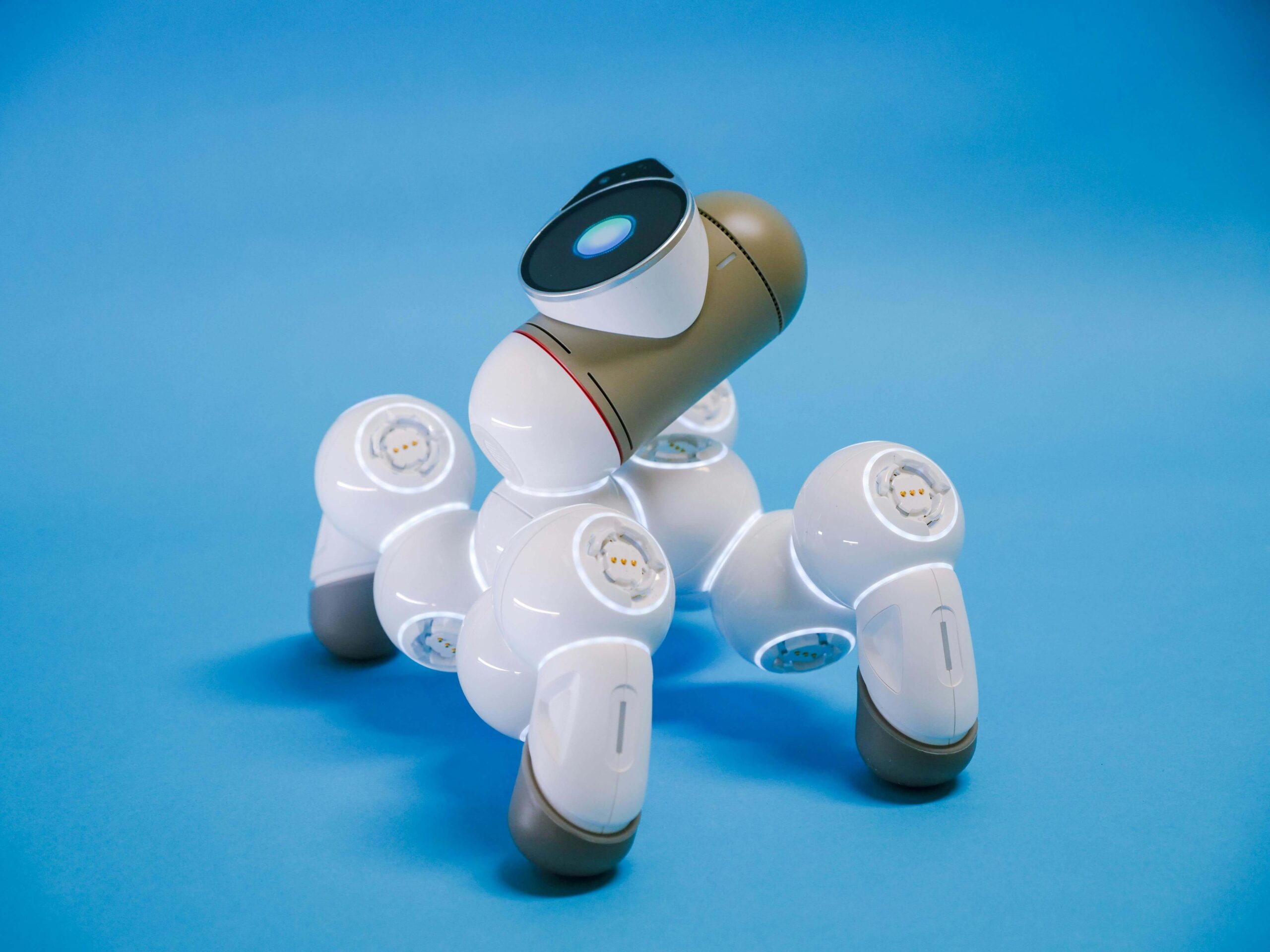
AI companions are systems designed to simulate human-like interaction. Unlike traditional software, they are adaptive, learning from user behavior and improving over time. Some are designed for productivity, like virtual assistants, while others focus on emotional support and companionship.
What makes AI companions unique is their ability to form perceived relationships with users. People may confide in them, seek advice, or rely on them for emotional comfort. This deep level of interaction introduces new risks, as users may treat AI outputs as trustworthy or authoritative.
The Need for a Liability Framework
Traditional liability laws were not designed for autonomous, learning systems. In conventional scenarios, responsibility is easier to assign—manufacturers are liable for defective products, and service providers are accountable for negligence.
However, AI companions complicate this structure. Their behavior is not always predictable, and their outputs may evolve over time. This creates uncertainty about who should be held responsible when harm occurs.
A robust liability framework must address these complexities, ensuring accountability without stifling innovation.
Key Stakeholders in AI Companion Liability
To understand liability, it is important to identify the main stakeholders involved:
1. Developers and Designers
These are the entities that create the AI systems. They are responsible for the design, training data, and core functionality of the AI companion. If harm results from flawed design or biased data, developers may bear responsibility.
2. Service Providers
Companies that deploy and maintain AI companions also play a crucial role. They control updates, user interfaces, and data handling practices. Their responsibility may arise if they fail to implement safeguards or monitor system performance.
3. Users
While users are generally seen as recipients, their actions can also influence outcomes. Misuse of AI companions or over-reliance on their outputs may raise questions about user responsibility.
4. Third Parties
In some cases, third-party integrations or data sources may contribute to harm. These entities can also be part of the liability chain.
Types of Risks and Harms
AI companions can give rise to various types of harm, each requiring careful consideration:
Emotional and Psychological Harm
AI companions designed for emotional engagement may inadvertently cause distress. For example, an AI might provide inappropriate responses or reinforce harmful behaviors.
Misinformation and Harmful Advice
If an AI companion provides incorrect or dangerous advice—such as health or financial guidance—the consequences can be serious.
Privacy Violations
AI companions often collect sensitive user data. Data breaches or misuse of information can lead to significant harm.
Dependency and Manipulation
Users may develop emotional dependency on AI companions. In extreme cases, this can affect real-world relationships and decision-making.
Approaches to Liability
Several legal approaches can be considered when developing a liability framework for AI companions:
1. Product Liability Model
Under this approach, AI companions are treated as products. Developers and manufacturers can be held liable for defects or unsafe design. This model works well for technical failures but may struggle with dynamic, learning systems.
2. Negligence-Based Liability
This approach focuses on whether a party failed to exercise reasonable care. For example, if a company neglects to implement safety measures, it could be held liable for resulting harm.
3. Strict Liability
Strict liability holds parties responsible regardless of fault. While this ensures accountability, it may discourage innovation if applied too broadly.
4. Shared Liability Framework
Given the complexity of AI systems, a shared liability model may be most effective. Responsibility is distributed among developers, providers, and other stakeholders based on their roles.
The Role of Transparency and Explainability
Transparency is a cornerstone of any effective liability framework. Users should understand that they are interacting with an AI system and be aware of its limitations.
Explainability is equally important. If an AI companion makes a decision or provides advice, there should be a way to understand how that output was generated. This is crucial for determining responsibility in case of harm.
Without transparency and explainability, assigning liability becomes extremely difficult.
Regulatory and Policy Considerations
Governments and regulatory bodies are beginning to address the challenges posed by AI companions. However, there is still a lack of comprehensive and consistent regulation.
Key policy considerations include:
- Standardizing Safety Requirements: Establishing guidelines for AI design and deployment
- Data Protection Laws: Ensuring user data is handled securely
- Certification Systems: Verifying that AI systems meet certain safety standards
- Accountability Mechanisms: Defining clear rules for liability and enforcement
International cooperation is also essential, as AI technologies often operate across borders.
Ethical Dimensions of Liability
Legal frameworks alone are not enough—ethical considerations must also guide the development of AI companions.
Developers should prioritize user well-being, ensuring that AI systems do not exploit vulnerabilities or encourage harmful behavior. Ethical design principles, such as fairness, accountability, and transparency, should be integrated into every stage of development.
Additionally, companies should consider the long-term impact of AI companions on society, including issues of trust, autonomy, and human relationships.
The Future of AI Companion Liability

As AI technology continues to evolve, liability frameworks must adapt accordingly. Future developments may include:
- AI-Specific Legislation: Laws tailored specifically to AI systems
- Insurance Models: New forms of insurance to cover AI-related risks
- Dynamic Regulation: Policies that evolve alongside technological advancements
- Human Oversight Requirements: Mandating human involvement in critical decisions
The goal is to create a balanced framework that protects users while encouraging innovation.
Conclusion
AI companions represent a significant shift in how humans interact with technology. They offer immense benefits, from convenience to emotional support, but also introduce new risks that cannot be ignored.
Developing a liability framework for AI companions is essential for addressing these challenges. By clearly defining responsibility, promoting transparency, and integrating ethical considerations, we can create a safer and more trustworthy environment for users.
Ultimately, the success of AI companions will depend not only on their technological capabilities but also on the frameworks that govern their use. A well-designed liability system will ensure that innovation continues to thrive while safeguarding the interests of individuals and society as a whole.