AI Brain-Computer Interface:The idea of reading human thoughts once belonged purely to science fiction. Movies and novels imagined machines that could connect directly to the brain and understand what a person was thinking. Today, advances in artificial intelligence and neuroscience are bringing this concept closer to reality.
Scientists are developing AI-powered brain-computer interfaces (BCIs) that can interpret brain signals and translate them into digital commands. These systems allow direct communication between the human brain and computers without using traditional physical input methods such as keyboards or touchscreens.
This emerging technology has the potential to transform healthcare, communication, education, and even entertainment. At the same time, it raises important ethical questions about privacy, mental autonomy, and the future relationship between humans and machines.
In this article, we explore how AI-powered brain-computer interfaces work, their real-world applications, and the challenges society must address as this powerful technology evolves.
What Are Brain-Computer Interfaces?
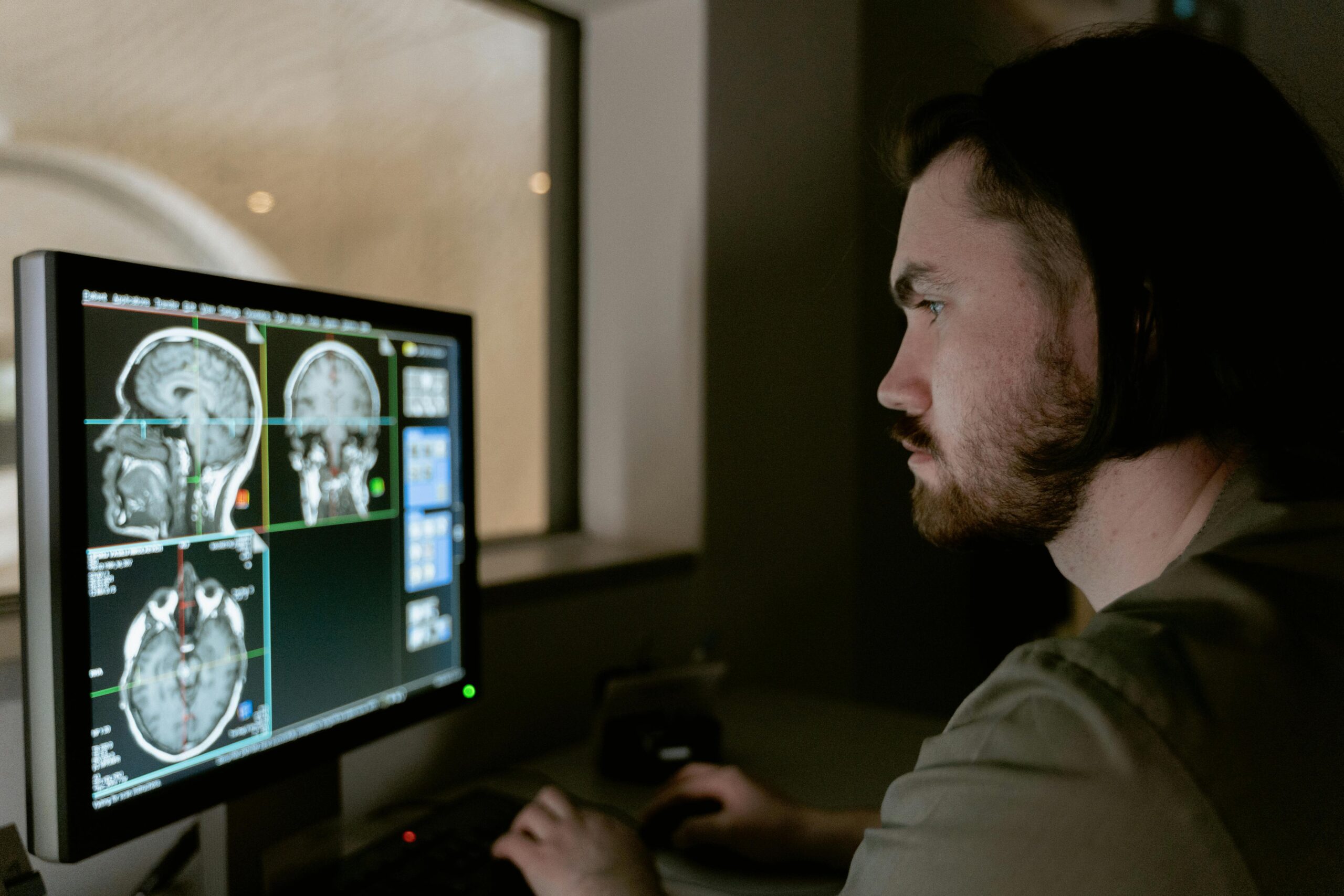
A brain-computer interface is a technology that connects the human brain directly to a computer system. It works by detecting electrical signals produced by brain activity and translating them into commands that machines can understand.
The brain constantly generates electrical signals as neurons communicate with each other. These signals can be captured using specialized sensors placed on or inside the brain.
Traditional BCI systems mainly focused on detecting simple signals that could move a cursor or control a robotic arm. However, modern AI technologies have significantly improved the ability to interpret complex patterns of brain activity.
With the help of machine learning algorithms, BCIs can now analyze large amounts of neural data and identify patterns that correspond to specific thoughts, words, or intentions.
The Role of Artificial Intelligence
Artificial intelligence plays a crucial role in making brain-computer interfaces more accurate and effective.
Human brain signals are extremely complex and noisy. Without advanced analysis tools, it would be nearly impossible to extract meaningful information from this data.
Machine learning models can process large datasets of neural signals and learn how different brain patterns correspond to specific actions or thoughts.
One well-known company working in this field is Neuralink, which is developing implantable brain devices designed to connect humans directly with computers.
Another major technology organization contributing to neuroscience research is Meta Platforms, which has invested in projects exploring non-invasive brain-computer interfaces for communication.
These innovations demonstrate how AI is accelerating progress in understanding the human brain.
How AI Decodes Brain Signals
The process of decoding thoughts using AI involves several steps.
Signal Collection
First, sensors capture brain signals. These sensors may be placed on the scalp using electroencephalography (EEG) devices or implanted directly into the brain for more precise measurements.
Implanted sensors provide clearer signals but require surgical procedures, while external sensors are safer but may produce less accurate data.
Data Processing
The captured brain signals are then processed using specialized software. AI algorithms filter out noise and identify patterns within the neural data.
This stage is crucial because brain signals contain massive amounts of complex information.
Pattern Recognition
Machine learning models analyze the processed signals and identify patterns associated with specific mental activities.
For example, certain brain patterns may correspond to speaking a word, imagining movement, or focusing attention.
Translation into Commands
Finally, the system converts these patterns into commands that a computer can execute.
This process allows users to control digital devices using only their thoughts.
Transforming Healthcare
One of the most promising applications of AI-powered brain-computer interfaces is in healthcare.
Millions of people around the world live with neurological conditions that affect their ability to move, speak, or communicate. BCIs offer new possibilities for restoring these abilities.
Helping Paralyzed Patients Communicate
Patients with severe paralysis often struggle to communicate with others. Brain-computer interfaces can allow them to type messages or control speech-generating devices using their thoughts.
This technology can significantly improve quality of life for individuals with conditions such as ALS or spinal cord injuries.
Restoring Movement
Researchers are also using BCIs to control robotic limbs or exoskeletons. By decoding movement-related brain signals, AI systems can help patients regain some level of physical mobility.
In experimental settings, patients have successfully used brain signals to move robotic arms and perform basic tasks.
Treating Neurological Disorders
BCI technologies may also help treat neurological conditions such as Parkinson’s disease, epilepsy, and depression.
By monitoring brain activity in real time, AI systems could detect abnormal patterns and deliver targeted electrical stimulation to restore healthy brain function.
Communication Without Words
Another fascinating application of brain-computer interfaces is direct brain-to-computer communication.
Researchers are exploring systems that allow users to send messages or control devices simply by thinking.
In the future, people might write emails, control smart homes, or interact with virtual environments without speaking or typing.
Some experts believe BCIs could even enable direct brain-to-brain communication, where thoughts are transmitted between individuals through digital networks.
While this idea may still sound futuristic, rapid progress in AI and neuroscience suggests it could eventually become possible.
Ethical and Privacy Concerns
Despite its exciting potential, mind-decoding technology raises serious ethical questions.
Mental Privacy
The human mind has traditionally been considered the most private space in existence. If technology can decode thoughts, it raises concerns about who has access to that information.
Protecting mental privacy will be essential as BCI technology advances.
Data Security
Brain data is extremely sensitive. If such information were hacked or misused, it could reveal personal thoughts, emotions, or intentions.
Strong cybersecurity protections will be necessary to safeguard neural data.
Consent and Control
Another concern involves user consent and control. Individuals must have full authority over when and how their brain data is collected and used.
Clear regulations will be needed to prevent misuse by corporations or governments.
Challenges in AI Brain Decoding
Although the technology is progressing quickly, decoding human thoughts remains extremely challenging.
The brain contains approximately 86 billion neurons, each producing complex electrical signals. Interpreting these signals accurately requires advanced technology and large datasets.
Additionally, every person’s brain is unique. AI systems must be carefully trained to recognize individual patterns of neural activity.
Researchers are still working to improve the accuracy, safety, and reliability of brain-computer interfaces.
The Future of Mind–Machine Interaction
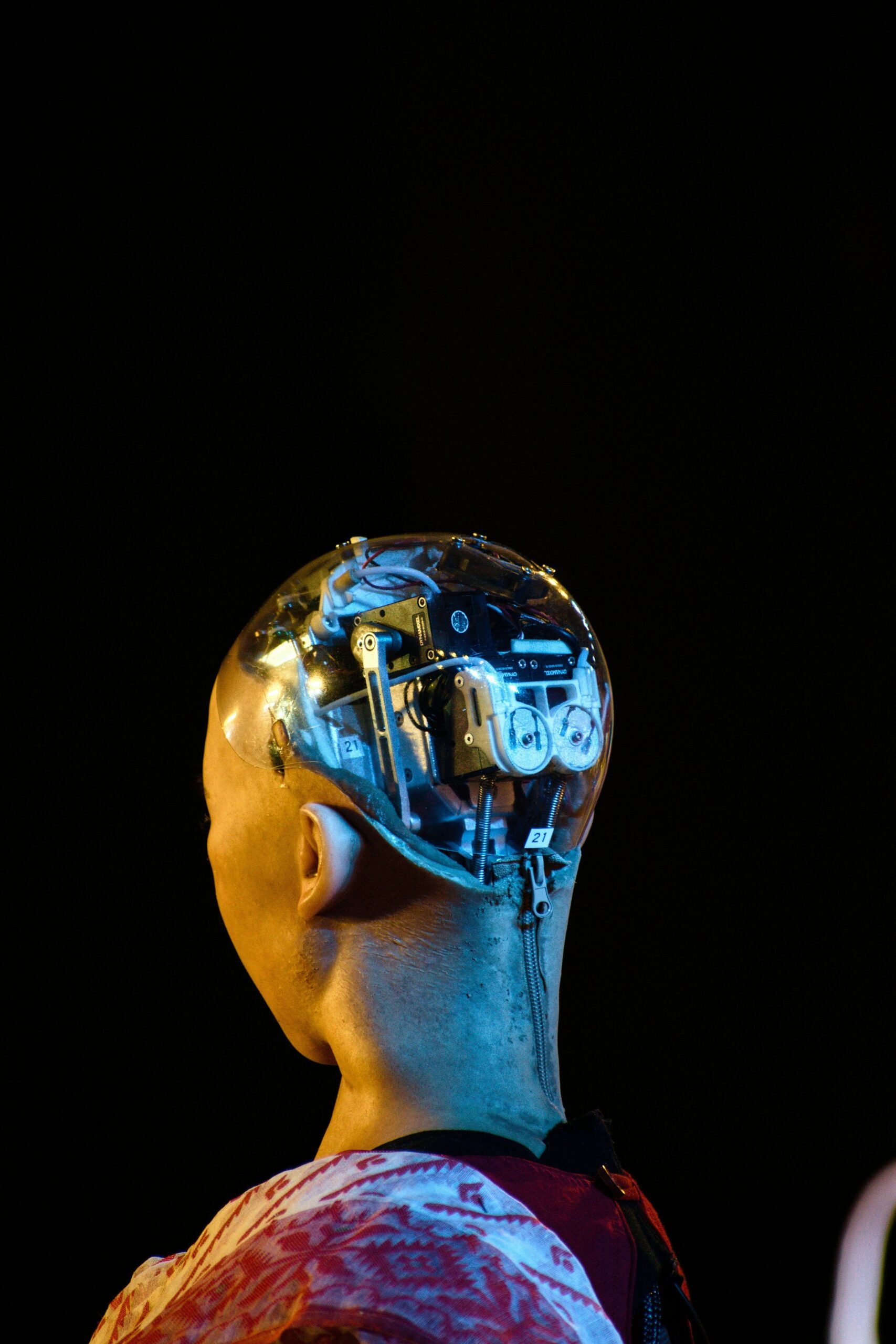
The development of AI-powered brain-computer interfaces could redefine how humans interact with technology.
Instead of using physical devices, people may communicate directly with computers using their thoughts.
This shift could transform many industries, including healthcare, education, gaming, and virtual reality.
Companies such as Neuralink and technology innovators around the world continue to push the boundaries of what is possible in brain–machine interaction.
As research progresses, the line between human cognition and digital technology may become increasingly blurred.
Conclusion
AI-powered brain-computer interfaces represent one of the most fascinating technological developments of the 21st century. By decoding neural signals and translating them into digital commands, these systems are opening new possibilities for communication, healthcare, and human–machine collaboration.
From helping paralyzed patients communicate to enabling thought-controlled devices, BCIs could dramatically improve the lives of millions of people.
However, this powerful technology also raises significant ethical questions about privacy, security, and mental autonomy.
As AI and neuroscience continue to evolve, society must carefully balance innovation with responsible governance.
If developed thoughtfully, AI brain-computer interfaces may unlock a future where the human mind and technology work together in ways once imagined only in science fiction.