

Imagine controlling a computer, typing a message, or operating a robotic device without touching a keyboard or speaking a word. This is the goal of an AI brain-computer interface, an emerging technology that connects neural activity with external devices.
By combining neuroscience, signal processing, and artificial intelligence, researchers are developing systems that can interpret patterns in brain activity and translate them into digital commands.
An AI brain-computer interface does not simply read every thought in a person’s mind. Instead, it uses sensors and computational models to identify specific neural patterns associated with tasks, movements, or communication attempts.
These systems could transform assistive healthcare, communication, rehabilitation, and human-computer interaction. However, significant technical, medical, and ethical challenges remain.
In this article, we explore how AI-powered brain-computer interfaces work, where they are being used, and what their development could mean for the future.
What Is an AI Brain-Computer Interface?
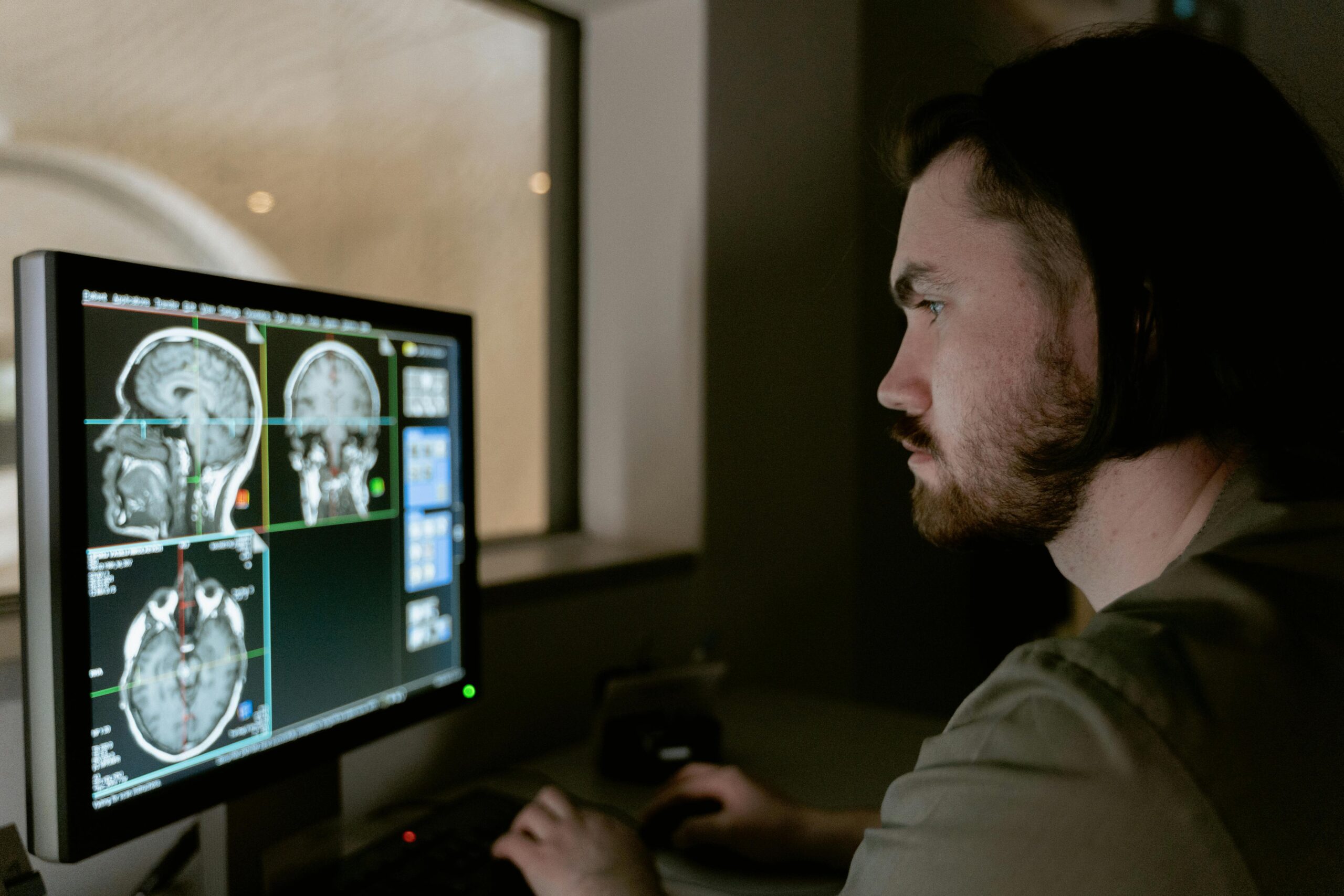
Understanding Brain-Computer Interface Technology
A brain-computer interface is a system that enables direct communication between brain activity and an external device. It collects signals associated with neural activity and translates them into commands that a computer or machine can process.
For example, a person may imagine moving their hand while a BCI analyzes the associated brain activity. If the system has been appropriately trained, it may translate that activity into a command to move a cursor or control an assistive device.
BCIs are being studied for medical applications, scientific research, and emerging human-computer interaction technologies.
Their capabilities depend on the type of sensors used, the task being performed, and the accuracy of the decoding system.
How AI Improves Brain Signal Interpretation
Brain signals are complex and can contain noise caused by movement, muscle activity, electrical interference, and differences between individuals.
Artificial intelligence helps researchers analyze these signals more efficiently. Machine learning models can identify patterns in neural data and associate them with specific intended actions or communication tasks.
Depending on the system, AI may help with:
- Filtering and processing neural signals
- Recognizing patterns in brain activity
- Predicting intended movements
- Translating neural activity into computer commands
- Adapting models to individual users
However, AI decoding is not the same as unrestricted mind reading. Most current systems are designed for specific tasks and require training and user cooperation.
Non-Invasive vs. Implantable BCIs
Brain-computer interfaces can be classified according to how they collect neural signals.
Non-invasive BCIs use external sensors, such as electroencephalography (EEG), to measure brain activity from outside the skull. They generally avoid brain surgery but may capture less detailed signals.
Implantable BCIs use sensors placed inside the body, including near or within brain tissue. These systems can provide more detailed neural measurements for certain applications but involve surgical procedures and additional medical risks.
Researchers are also exploring minimally invasive approaches that aim to balance signal quality with safety.
Each approach involves trade-offs related to accuracy, usability, cost, and long-term reliability.
How AI Decodes Brain Signals Into Digital Commands
Step 1: Collecting Neural Activity
The first stage of an AI-powered BCI involves collecting signals associated with brain activity.
Depending on the technology, researchers may use EEG sensors, implanted electrodes, or other neural recording systems.
The signals can vary significantly depending on the person’s activity, the recording equipment, and the task being performed.
For example, a research system designed to support communication may collect neural activity while a participant attempts to speak or produces specific speech-related signals.
The system then uses these recordings as input for further analysis.
Step 2: Processing and Training AI Models
Raw neural signals usually require processing before they can be used effectively.
Signal-processing techniques can help reduce noise and identify useful features. Machine learning models can then be trained using data associated with specific tasks or intended actions.
During training, the system learns relationships between neural patterns and known outputs.
For example, a model may learn to associate particular signals with:
- Intended cursor movements
- Specific communication attempts
- Imagined physical movements
- Selected letters or commands
Some advanced systems use deep learning to identify complex patterns in neural data.
The model’s performance depends on the quality of the data, the task, and the individual user’s neural signals.
Step 3: Translating Neural Signals Into Commands
After training, the BCI uses the AI model to interpret new neural signals.
The model produces an output that can be converted into a digital command. That command might move a cursor, select a character, operate an assistive device, or control a robotic system.
For example, an individual with severe motor impairment may use a trained BCI to communicate through a computer interface.
The process generally involves:
Brain activity → Sensors → Signal processing → AI decoding → Digital command
The system may also require ongoing calibration because neural signals can change over time.
Importantly, most modern BCIs are task-specific. They do not provide a universal method for accurately decoding a person’s complete thoughts.
Real-World Applications of AI Brain-Computer Interfaces
Supporting Communication for People With Disabilities
One of the most important potential uses of an AI brain-computer interface is helping people. who have lost the ability to speak or move communicate with others.
Individuals with conditions such as amyotrophic lateral sclerosis (ALS) or severe paralysis may experience significant communication difficulties.
Researchers are developing systems that attempt to decode speech-related neural activity or intended communication signals and convert them into text or synthesized speech.
These technologies could provide alternative communication methods for some users.
However, many systems remain experimental, and their performance varies according to the technology and the individual.
Restoring Movement and Supporting Rehabilitation
BCIs are also being investigated for controlling robotic limbs, assistive devices, and rehabilitation technologies.
A system may interpret movement-related brain signals and use them to control an external device.
Potential applications include:
- Robotic arm control
- Assistive mobility systems
- Neurorehabilitation exercises
- Prosthetic device research
- Movement assistance
AI can help these systems adapt to users and improve how neural signals are translated into device commands.
Researchers are also investigating combinations of BCIs with electrical stimulation and other technologies to support movement restoration.
These applications are still developing, and practical results depend on the specific clinical or research system.
Research in Neurological Disorders and Digital Interaction
Brain-computer interfaces are being studied in connection with neurological conditions and assistive healthcare.
Researchers are exploring how neural signals can support rehabilitation, monitor brain activity, and interact with therapeutic technologies.
However, BCIs should not be confused with established treatments for conditions such as depression, Parkinson’s disease, or epilepsy.
Some brain-related technologies use electrical stimulation or other therapeutic methods, but their purpose and mechanisms may differ from those of a BCI.
Beyond healthcare, researchers are also investigating BCIs for gaming, virtual reality, accessibility, and hands-free digital interaction.
These applications remain at different stages of research and development.
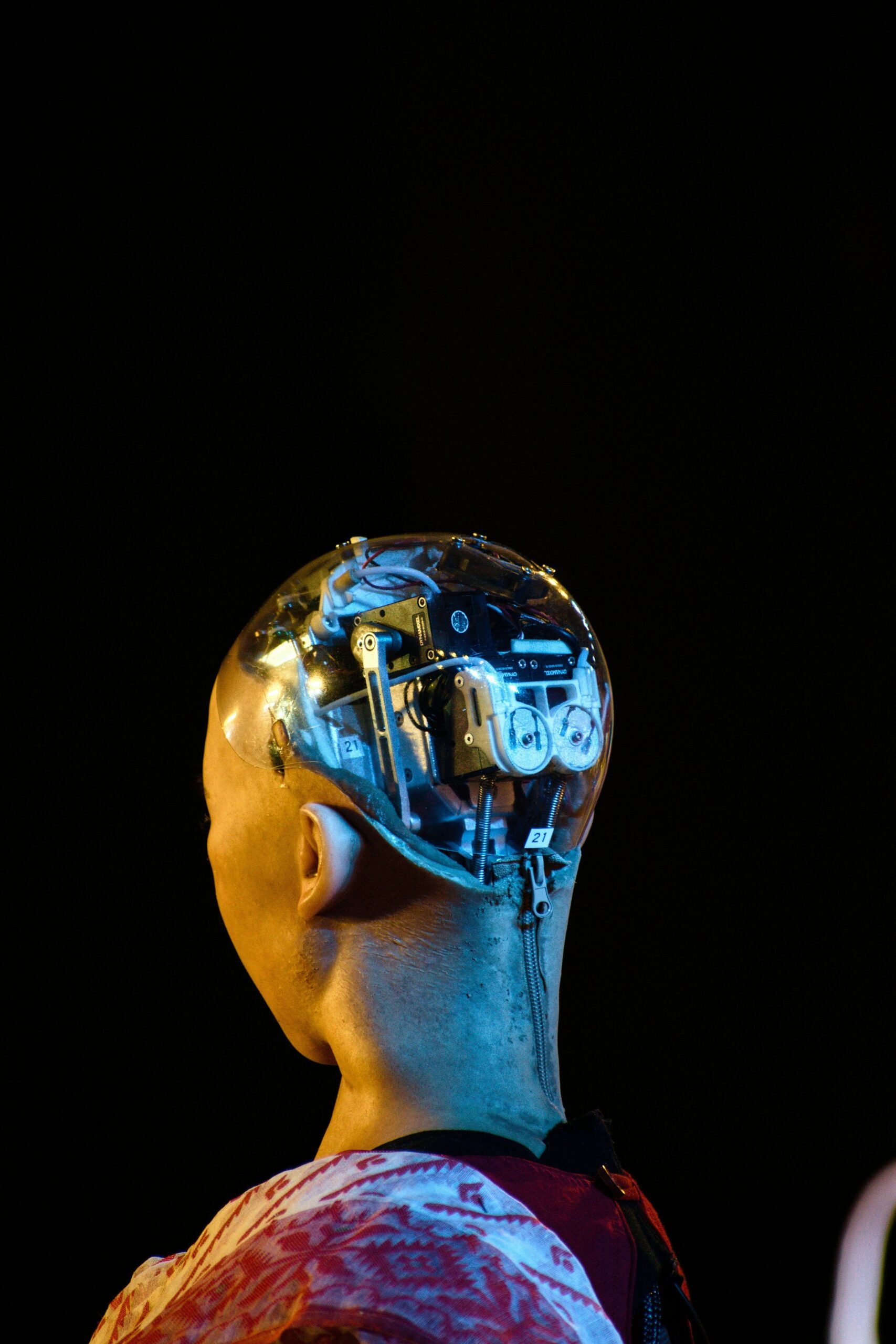
Challenges and Ethical Concerns of AI Brain-Computer Interfaces
Can AI Read Your Private Thoughts?
One of the most common misconceptions about brain-computer interfaces is that they can freely read everything a person is thinking.
In reality, most existing BCI systems are designed for specific tasks and rely on carefully collected data.
Some advanced research systems can decode limited speech-related or task-specific information under controlled conditions. That does not mean they can accurately interpret every private thought or memory.
Nevertheless, the possibility of extracting sensitive information from neural activity raises important questions about mental privacy.
Researchers and policymakers are examining how neural data and information inferred from brain activity should be protected.
Neural Data Security and User Consent
Brain-computer interfaces may collect highly sensitive information about a person’s neural activity, health, or intended actions.
If this information is stored, transferred, or analyzed, it may create privacy and cybersecurity risks.
Potential concerns include:
- Unauthorized access to neural data
- Unclear ownership of recorded brain signals
- Secondary use of information
- Insufficient data protection
- Limited control over personal information
Informed consent is particularly important for implantable BCIs.
Recent research has emphasized that consent for implantable systems may need to continue throughout the device’s lifecycle, including implantation, long-term use, and potential removal.
Organizations developing these technologies should consider data minimization, secure storage, access controls, and transparent privacy policies.
Technical Limitations and the Future of Responsible Development
Despite rapid progress, AI brain-computer interfaces still face major technical challenges.
Neural signals can be difficult to interpret, and the same task may produce different patterns across individuals or over time.
Other barriers include:
- Limited decoding accuracy
- Dependence on training data
- Device reliability
- Surgical risks for implantable systems
- High development and maintenance costs
- Limited accessibility
- Long-term safety concerns
Researchers are also studying how existing privacy laws and emerging governance frameworks can address neural data protection.
Recent reviews have identified gaps involving consent, data ownership, individual control, and the secondary use of neural information.
Responsible development will require collaboration among neuroscientists, engineers, healthcare professionals, policymakers, and people who use BCI technologies.
Conclusion
AI brain-computer interfaces are opening new possibilities for communication, assistive technology, rehabilitation, and human-computer interaction.
By combining neural sensors with artificial intelligence, these systems can identify task-specific brain activity and translate it into commands that external devices can understand.
Their potential is significant, particularly for people with severe movement or communication difficulties. However, current BCIs have important limitations and should not be presented as universal mind-reading systems.
Privacy, cybersecurity, informed consent, accessibility, and long-term safety will remain central to their development.
As research continues, the future of brain-computer interfaces will depend not only on technological breakthroughs but also on responsible innovation that respects human autonomy and protects sensitive neural information.
The future of AI and neuroscience is promising, but meaningful progress requires both scientific innovation and ethical responsibility.