

AI as a Public Service: Artificial intelligence (AI) is often associated with tech giants, private innovation, and cutting-edge research labs. But in recent years, a new and compelling idea has emerged: what if AI were treated as a public service? Just like healthcare, education, or transportation, AI could be designed and deployed to serve citizens directly—fairly, transparently, and responsibly.
Two cities leading this vision are Amsterdam and Helsinki. Through innovative policies and practical implementations, they are redefining how governments can use AI not just efficiently, but ethically. Their approach offers valuable lessons for the rest of the world.
What Does “AI as a Public Service” Mean?

At its core, treating AI as a public service means developing and using AI systems in ways that prioritize:
- Public benefit over profit
- Transparency and accountability
- Inclusivity and fairness
- Citizen trust and participation
Instead of AI being controlled solely by corporations, governments take an active role in ensuring that these technologies serve everyone—not just a select few.
Why Governments Are Turning to AI
Cities today face complex challenges:
- Managing traffic congestion
- Improving healthcare delivery
- Enhancing public safety
- Streamlining administrative services
AI offers tools to analyze large datasets, automate routine processes, and make smarter decisions. However, without proper oversight, it can also introduce risks such as bias, privacy violations, and lack of accountability.
This is where Amsterdam and Helsinki stand out—they are not just adopting AI, they are governing it thoughtfully.
Amsterdam’s Approach: Transparency First
Amsterdam has taken a strong stance on transparency in AI use. One of its most notable initiatives is the development of an AI register, where citizens can see how AI systems are being used by the city government.
This includes information such as:
- What the AI system does
- What data it uses
- Potential risks and impacts
- Which department is responsible
This level of openness builds trust. Citizens are not left guessing how decisions are made—they are informed and empowered.
Amsterdam also emphasizes ethical guidelines, ensuring that AI systems align with democratic values and human rights.
Helsinki’s Strategy: Education and Accessibility
Helsinki, on the other hand, has focused heavily on education and inclusivity. One of its most influential contributions is the “Elements of AI” course, a free online program designed to teach citizens the basics of artificial intelligence.
The goal is simple but powerful:
make AI understandable to everyone.
By educating the public, Helsinki ensures that citizens are not passive users of AI but informed participants. This reduces fear, increases engagement, and promotes responsible use of technology.
Additionally, Helsinki has worked on creating user-friendly AI services that are accessible to people from all backgrounds, including those with limited technical knowledge.
Ethical AI: A Shared Foundation
Both cities share a strong commitment to ethical AI. Their frameworks emphasize:
- Fairness: Avoiding discrimination and bias
- Accountability: Clear responsibility for AI decisions
- Privacy: Protecting citizen data
- Human oversight: Ensuring humans remain in control
These principles are not just theoretical—they are actively applied in real-world systems.
Real-Life Applications in Public Services
AI as a public service is not just a concept—it’s already being used in practical ways:
1. Social Services
AI helps identify citizens who may need additional support, enabling more proactive and targeted assistance.
2. Urban Planning
Data-driven insights improve city design, traffic flow, and environmental sustainability.
3. Healthcare
AI tools assist in early diagnosis, resource allocation, and patient care management.
4. Administrative Efficiency
Routine tasks such as document processing and service requests are automated, saving time for both citizens and government employees.
Challenges in Implementing Public AI
Despite their progress, Amsterdam and Helsinki face several challenges:
1. Data Privacy Concerns
Handling sensitive citizen data requires strict safeguards and constant vigilance.
2. Algorithmic Bias
Even well-designed systems can unintentionally reflect biases present in data.
3. Public Trust
Trust must be earned and maintained through transparency and accountability.
4. Resource Limitations
Not all cities have the financial or technical capacity to implement similar initiatives.
Lessons for the World
The experiences of Amsterdam and Helsinki offer several key takeaways:
Transparency Builds Trust
Openly sharing how AI systems work reduces suspicion and increases public confidence.
Education Empowers Citizens
When people understand AI, they are more likely to support and engage with it.
Ethics Must Be Built In
Ethical considerations should not be an afterthought—they must guide development from the start.
Collaboration Is Essential
Governments, researchers, and citizens must work together to create effective AI systems.
The Human-Centered Future of AI
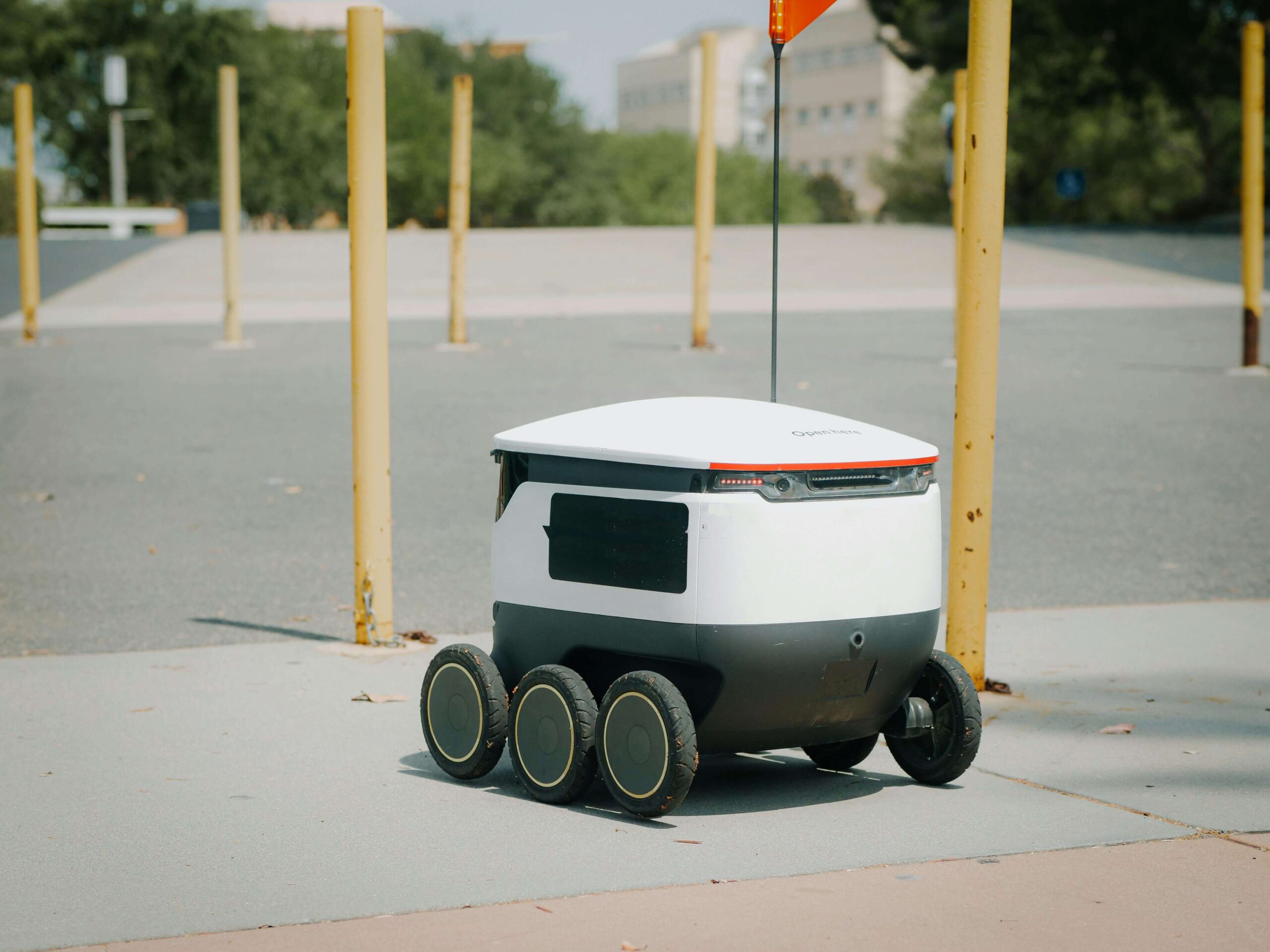
One of the most important aspects of treating AI as a public service is maintaining a human-centered approach. Technology should enhance human well-being, not replace human judgment or dignity.
This means:
- Keeping humans involved in decision-making
- Designing systems that respect individual rights
- Ensuring accessibility for all members of society
AI should serve people—not the other way around.
Looking Ahead
As more cities explore AI-driven solutions, the models developed by Amsterdam and Helsinki will likely inspire global adoption. Future developments may include:
- International standards for public AI governance
- Cross-city collaboration on AI tools
- Greater citizen participation in AI design
- More transparent and explainable AI systems
The idea of AI as a public service is still evolving, but its potential is enormous.
Conclusion
Artificial intelligence has the power to transform public services, making them more efficient, responsive, and inclusive. However, without proper governance, it can also create new risks and inequalities.
Amsterdam and Helsinki demonstrate that it is possible to strike the right balance. By prioritizing transparency, education, and ethics, they are setting a new standard for how AI can serve society.
Their approach reminds us that the future of AI is not just about technological advancement—it’s about building systems that reflect our values, respect our rights, and improve our everyday lives.
In the end, AI as a public service is not just a policy idea. It’s a vision of technology that works for everyone.