

AI in U.S. Healthcare: Artificial Intelligence (AI) is no longer just a futuristic concept—it has become a transformative force in the healthcare sector, particularly in the United States. From improving diagnostic accuracy to streamlining hospital operations, AI is reshaping how medical services are delivered and experienced. The integration of AI into healthcare is not only enhancing efficiency but also saving lives by enabling earlier detection of diseases and more personalized treatment plans.
The Rise of AI in U.S. Healthcare
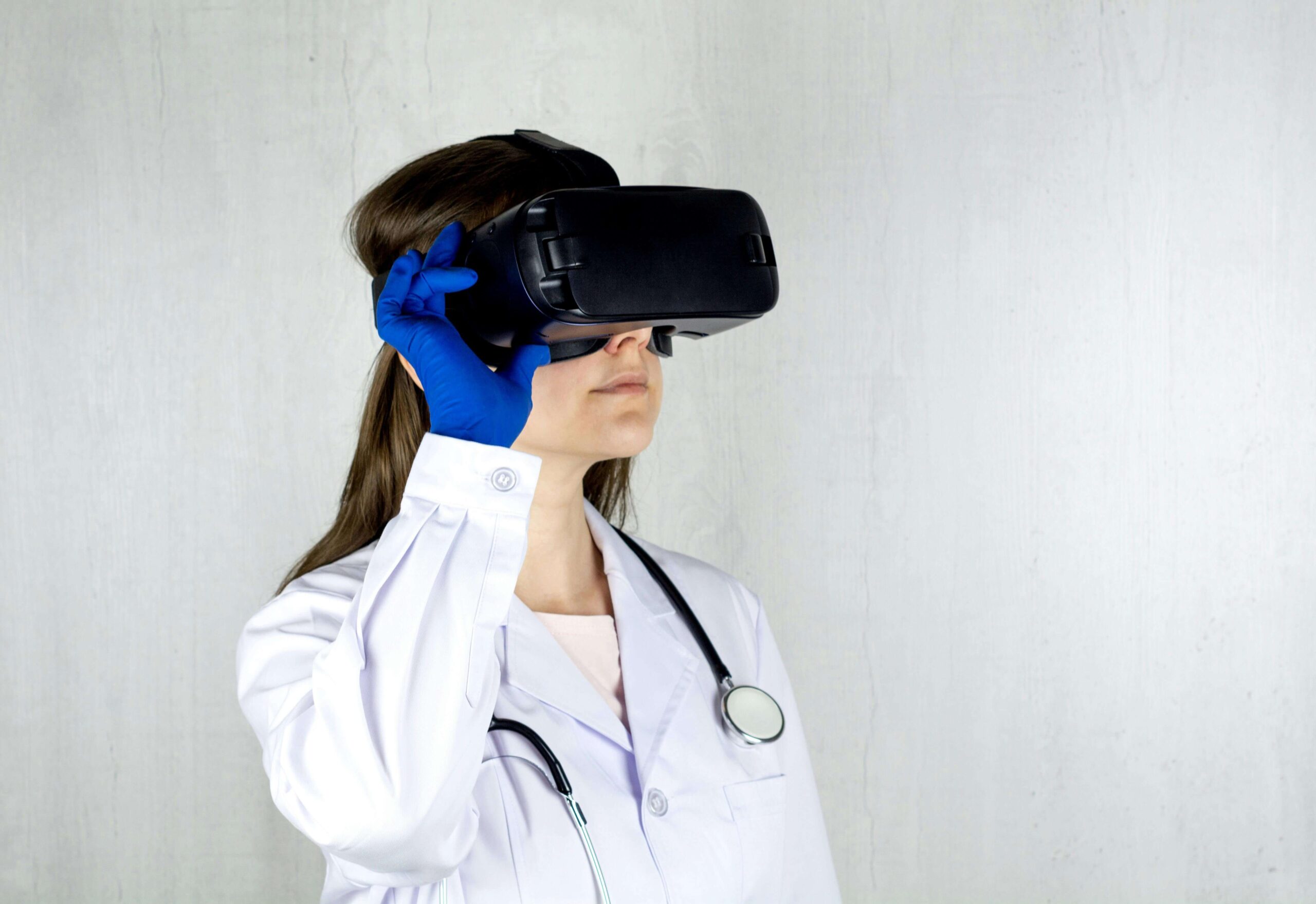
Over the past decade, the U.S. medical industry has seen a rapid adoption of AI technologies. Institutions, research centers, and companies have invested heavily in machine learning, natural language processing, and robotics. Organizations such as the Food and Drug Administration have played a crucial role by approving AI-based medical devices and ensuring that these technologies meet safety standards.
The demand for AI in healthcare is driven by several factors, including rising healthcare costs, a shortage of medical professionals, and the need for faster and more accurate diagnoses. AI offers solutions that address these challenges by automating routine tasks and assisting clinicians in decision-making.
AI in Medical Diagnosis
One of the most impactful applications of AI in the U.S. medical industry is in diagnostics. AI-powered systems can analyze medical images such as X-rays, MRIs, and CT scans with remarkable accuracy. In some cases, these systems perform at a level comparable to or even exceeding that of human radiologists.
For instance, AI algorithms are used to detect early signs of diseases like cancer, heart conditions, and neurological disorders. Early detection significantly increases the chances of successful treatment. AI tools can also process vast amounts of patient data quickly, identifying patterns that might be missed by human doctors.
Personalized Treatment and Precision Medicine
AI is playing a key role in the development of personalized medicine. By analyzing genetic information, lifestyle data, and medical history, AI systems can recommend treatment plans tailored to individual patients. This approach improves treatment effectiveness and reduces the risk of adverse reactions.
Precision medicine is particularly beneficial in treating complex diseases such as cancer. AI can help oncologists determine which therapies are most likely to work for a specific patient, leading to better outcomes and reduced trial-and-error in treatment.
AI in Drug Discovery and Development
The process of developing new drugs is traditionally time-consuming and expensive. AI is revolutionizing this area by accelerating the discovery and testing phases. Machine learning models can analyze chemical compounds and predict their effectiveness, significantly reducing the time required to identify potential drugs.
Pharmaceutical companies in the U.S. are increasingly using AI to simulate clinical trials, optimize drug formulations, and identify suitable candidates for testing. This not only speeds up the development process but also lowers costs, making treatments more accessible.
Robotics and Surgical Assistance
AI-powered robots are becoming a common sight in U.S. hospitals. These robots assist surgeons in performing complex procedures with greater precision and control. Robotic surgery systems can make smaller incisions, reduce blood loss, and shorten recovery times for patients.
In addition to surgery, robots are also used for tasks such as patient monitoring, medication delivery, and disinfection. This reduces the workload on healthcare staff and allows them to focus more on patient care.
Virtual Health Assistants and Telemedicine
AI has significantly enhanced telemedicine services in the United States. Virtual health assistants and chatbots can provide basic medical advice, schedule appointments, and remind patients to take their medications. These tools improve accessibility, especially for people in remote areas or those with limited mobility.
During the COVID-19 pandemic, AI-powered telehealth platforms played a vital role in maintaining healthcare services while minimizing physical contact. Even after the pandemic, telemedicine continues to be an essential component of the healthcare system.
Improving Hospital Operations
AI is also being used to optimize hospital management and operations. Predictive analytics can forecast patient admissions, helping hospitals allocate resources more effectively. AI systems can manage scheduling, reduce wait times, and improve overall efficiency.
For example, AI can predict which patients are at risk of readmission, allowing healthcare providers to take preventive measures. This not only improves patient outcomes but also reduces healthcare costs.
Challenges and Ethical Considerations
Despite its many benefits, the implementation of AI in the U.S. medical industry is not without challenges. One major concern is data privacy. Medical data is highly sensitive, and ensuring its security is critical. Regulations such as HIPAA (Health Insurance Portability and Accountability Act) are in place to protect patient information, but the use of AI adds new complexities.
Another challenge is the potential for bias in AI algorithms. If the data used to train AI systems is not diverse, the results may be skewed, leading to unequal treatment outcomes. Addressing this issue requires careful data selection and continuous monitoring.
There is also the question of trust. Patients and healthcare providers may be hesitant to rely on AI for critical decisions. Building trust requires transparency, proper validation, and education about how AI systems work.
The Future of AI in U.S. Healthcare

The future of AI in the U.S. medical industry looks promising. As technology continues to advance, AI is expected to become even more integrated into healthcare systems. Innovations such as wearable devices, real-time health monitoring, and AI-driven diagnostics will further enhance patient care.
Collaboration between technology companies, healthcare providers, and regulatory bodies will be essential to ensure the safe and effective use of AI. Continuous research and development will also play a crucial role in overcoming existing challenges and unlocking new possibilities.
Conclusion
The implementation of AI in the U.S. medical industry is transforming healthcare in profound ways. From improving diagnostics and treatment to enhancing operational efficiency, AI is making healthcare more effective and accessible. While challenges remain, the potential benefits far outweigh the risks.
As AI continues to evolve, it will play an increasingly important role in shaping the future of medicine. With the right approach, AI has the power to revolutionize healthcare and improve the quality of life for millions of people.