

AI Education in the Era of Shifting Intelligence: Artificial Intelligence (AI) is everywhere—from the apps we use daily to the systems shaping global economies. Yet, despite its widespread presence, one fundamental question remains surprisingly unclear: What exactly is intelligence? As AI continues to evolve, so too does our understanding of intelligence itself. This shifting definition has created a kind of “fog,” making it challenging to design effective AI education systems.
In classrooms, universities, and online learning platforms, educators are grappling with how to teach AI when the subject itself is constantly changing. The fog of intelligence is not just a philosophical issue—it has real consequences for how people learn, work, and prepare for the future.
The Changing Meaning of Intelligence
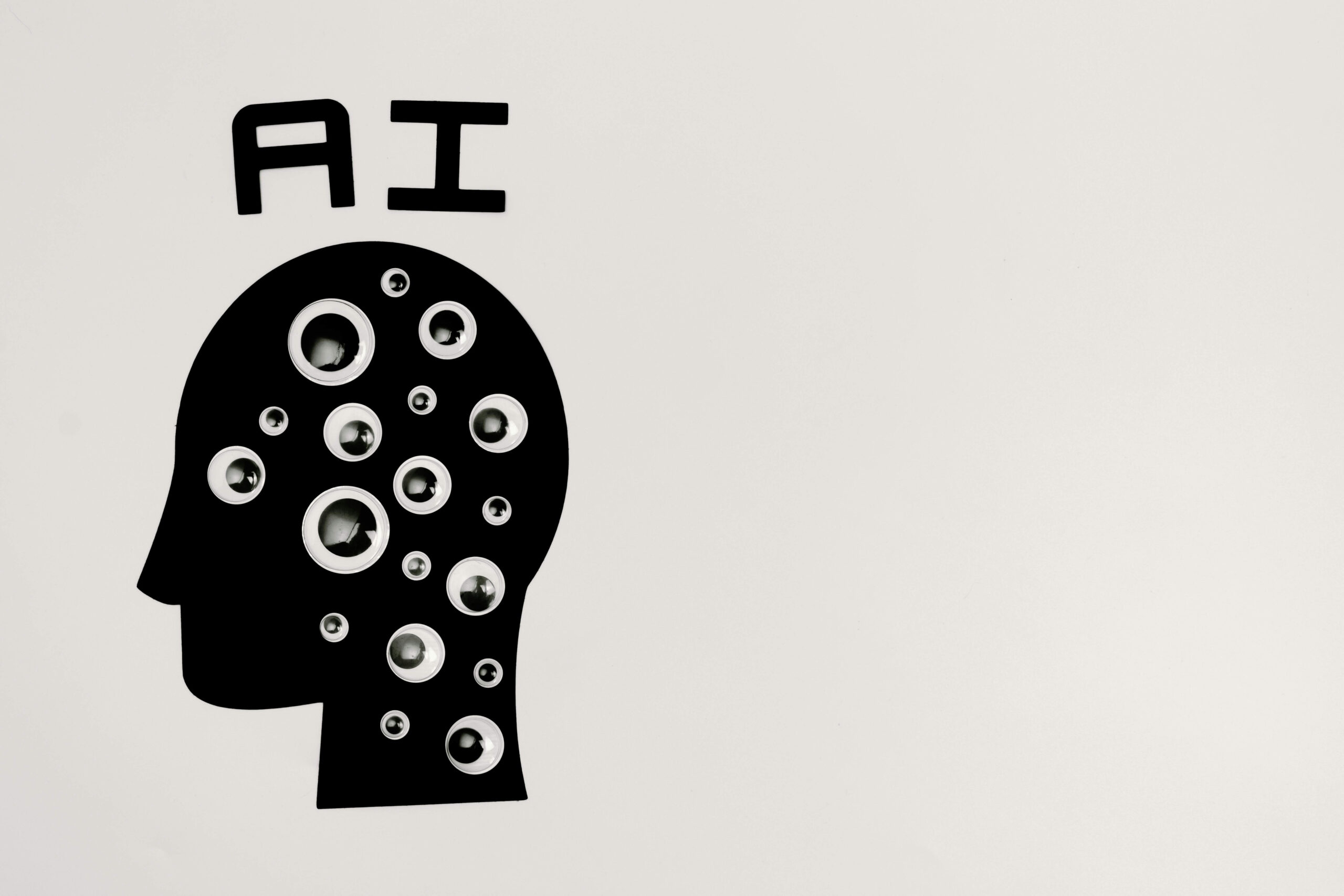
Traditionally, intelligence was associated with human abilities such as reasoning, problem-solving, creativity, and emotional understanding. However, AI has disrupted this notion by demonstrating that machines can perform many of these tasks—sometimes even better than humans.
For example, AI systems can now:
- Analyze vast datasets in seconds
- Recognize images and speech with high accuracy
- Generate human-like text and creative content
- Make predictions and decisions based on patterns
As machines take on these roles, the definition of intelligence becomes blurred. Is intelligence simply the ability to perform tasks, or does it require consciousness and understanding?
This ambiguity creates a challenge for educators: how do you teach a concept that is still evolving?
AI Education: More Than Just Coding
When people think of AI education, they often imagine learning programming languages, algorithms, and data science. While these are important, they represent only one part of the picture.
Modern AI education must also include:
- Ethics: Understanding the moral implications of AI
- Critical thinking: Evaluating AI-generated outputs
- Interdisciplinary learning: Combining technology with social sciences
- Adaptability: Preparing for constant change
In an era of shifting definitions, AI education must move beyond technical skills and focus on broader intellectual development.
The Role of Uncertainty in Learning
One of the defining features of AI is its unpredictability. Unlike traditional systems, AI models often operate as “black boxes,” producing outputs without clear explanations. This introduces uncertainty into both the use and teaching of AI.
For students, this can be confusing. They are not just learning fixed rules—they are learning systems that evolve, adapt, and sometimes make mistakes.
However, this uncertainty can also be an opportunity. It encourages:
- Curiosity and exploration
- Problem-solving skills
- Resilience in the face of ambiguity
Educators must embrace this uncertainty rather than avoid it, helping students develop the skills needed to navigate an unpredictable world.
The Risk of Misinformation and Overreliance
As AI tools become more accessible, there is a growing risk of overreliance. Students may begin to trust AI outputs without questioning their accuracy or bias.
This is particularly concerning because AI systems can:
- Produce incorrect or misleading information
- Reflect biases present in training data
- Generate convincing but false narratives
AI education must therefore emphasize digital literacy and critical evaluation. Students should learn not just how to use AI, but how to question it.
Bridging the Gap Between Humans and Machines
Another challenge in AI education is understanding the difference between human and machine intelligence. While AI can mimic certain aspects of human thinking, it lacks:
- Consciousness
- Emotional depth
- Moral judgment
Teaching this distinction is essential. Without it, students may develop unrealistic expectations about what AI can and cannot do.
At the same time, education should highlight the ways in which humans and AI can complement each other. Rather than replacing human intelligence, AI can enhance it—if used wisely.
The Importance of Ethical AI Education
As AI systems become more powerful, ethical considerations become increasingly important. Issues such as privacy, bias, and accountability must be central to AI education.
Students should be encouraged to ask questions like:
- Who is responsible for AI decisions?
- How can bias be minimized?
- What are the societal impacts of AI?
By addressing these questions, education can help ensure that AI is developed and used in a responsible manner.
Adapting Educational Systems
Traditional education systems are often slow to change, but AI is evolving rapidly. This creates a mismatch between what is taught and what is needed in the real world.
To address this, educational institutions must:
- Update curricula regularly
- Incorporate real-world AI applications
- Encourage lifelong learning
- Foster collaboration between disciplines
Online platforms and flexible learning models can also play a key role in keeping education relevant.
The Global Perspective
The fog of intelligence is not limited to one region—it is a global challenge. Different countries are approaching AI education in different ways, influenced by their cultural, economic, and technological contexts.
Some nations are investing heavily in AI research and education, while others are still developing basic digital infrastructure. This creates disparities in access to AI knowledge and opportunities.
Addressing this gap requires international collaboration and knowledge sharing.
The Future of AI Education
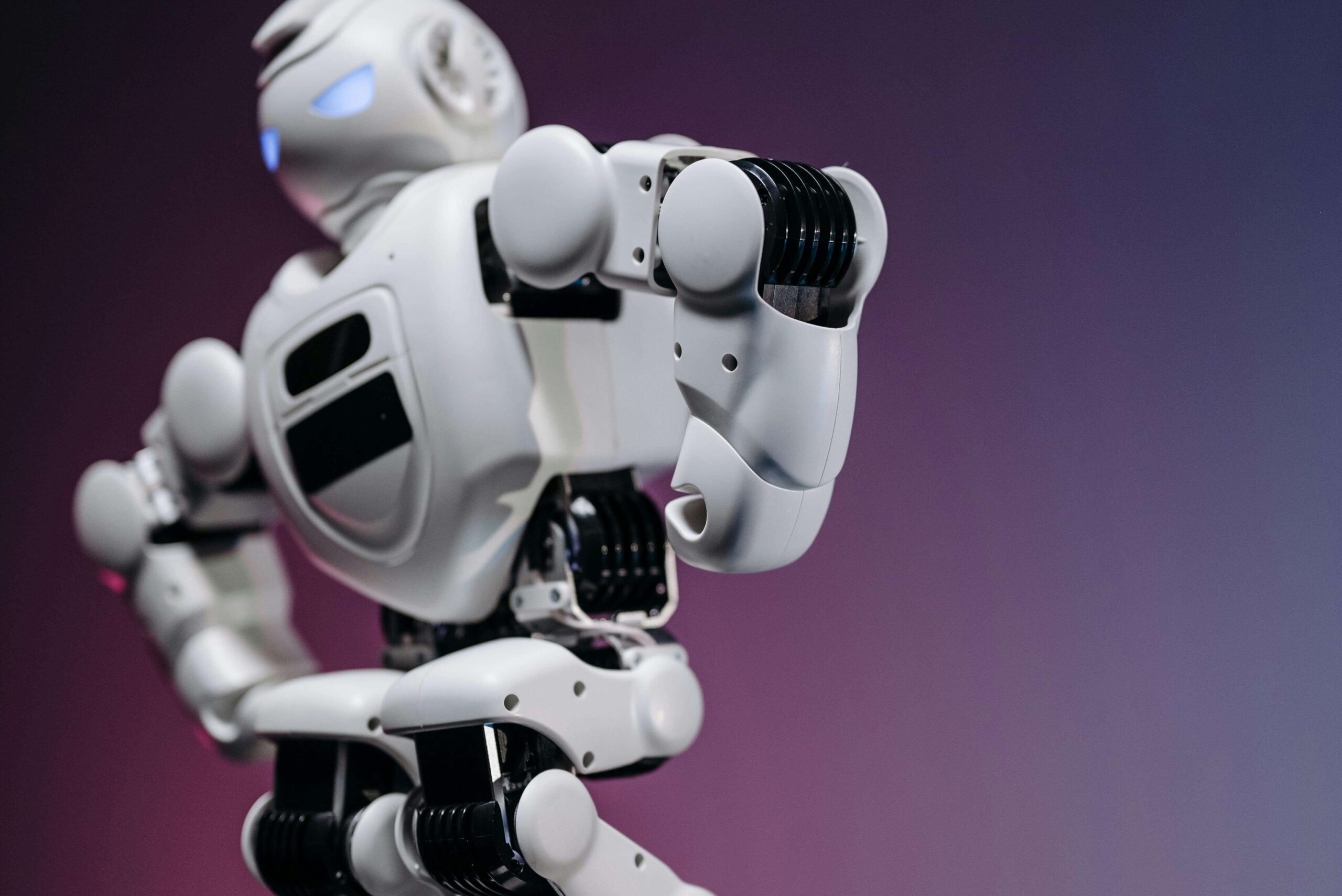
Looking ahead, AI education will likely become more dynamic, personalized, and integrated into everyday learning.
Key Trends to Watch
- Personalized learning: AI-driven systems that adapt to individual needs
- Interdisciplinary approaches: Blending technology with humanities
- Continuous learning: Skills that evolve over a lifetime
- Human-AI collaboration: Working alongside intelligent systems
As the definition of intelligence continues to evolve, education must remain flexible and forward-thinking.
Conclusion
The fog of intelligence reflects the complexity and uncertainty of our rapidly changing world. As AI reshapes our understanding of what it means to be intelligent, education must adapt to keep pace.
Rather than seeking fixed definitions, educators and learners must embrace ambiguity, think critically, and remain open to new ideas. AI education is not just about understanding machines—it is about understanding ourselves and our place in a world where intelligence is no longer uniquely human.
By navigating this fog with curiosity and responsibility, we can build an education system that prepares individuals for the challenges and opportunities of the AI era.