

Mental War Modeling: In the modern era, conflicts are no longer confined to physical battlefields. The rise of digital communication, social media, and mass information dissemination has given birth to a new type of conflict: the information-psychological war, often referred to as the “mental war.” Unlike traditional warfare, mental war targets the minds, perceptions, and behaviors of populations, leveraging misinformation, propaganda, and psychological manipulation to achieve strategic objectives.
Understanding and countering such operations require innovative analytical tools. One such approach is the graph-theoretical model, which uses nodes and connections to represent complex relationships within social networks and information systems. By applying graph theory, researchers and strategists can map influence, detect vulnerabilities, and predict the spread of psychological effects in targeted communities.
The Concept of Information-Psychological War
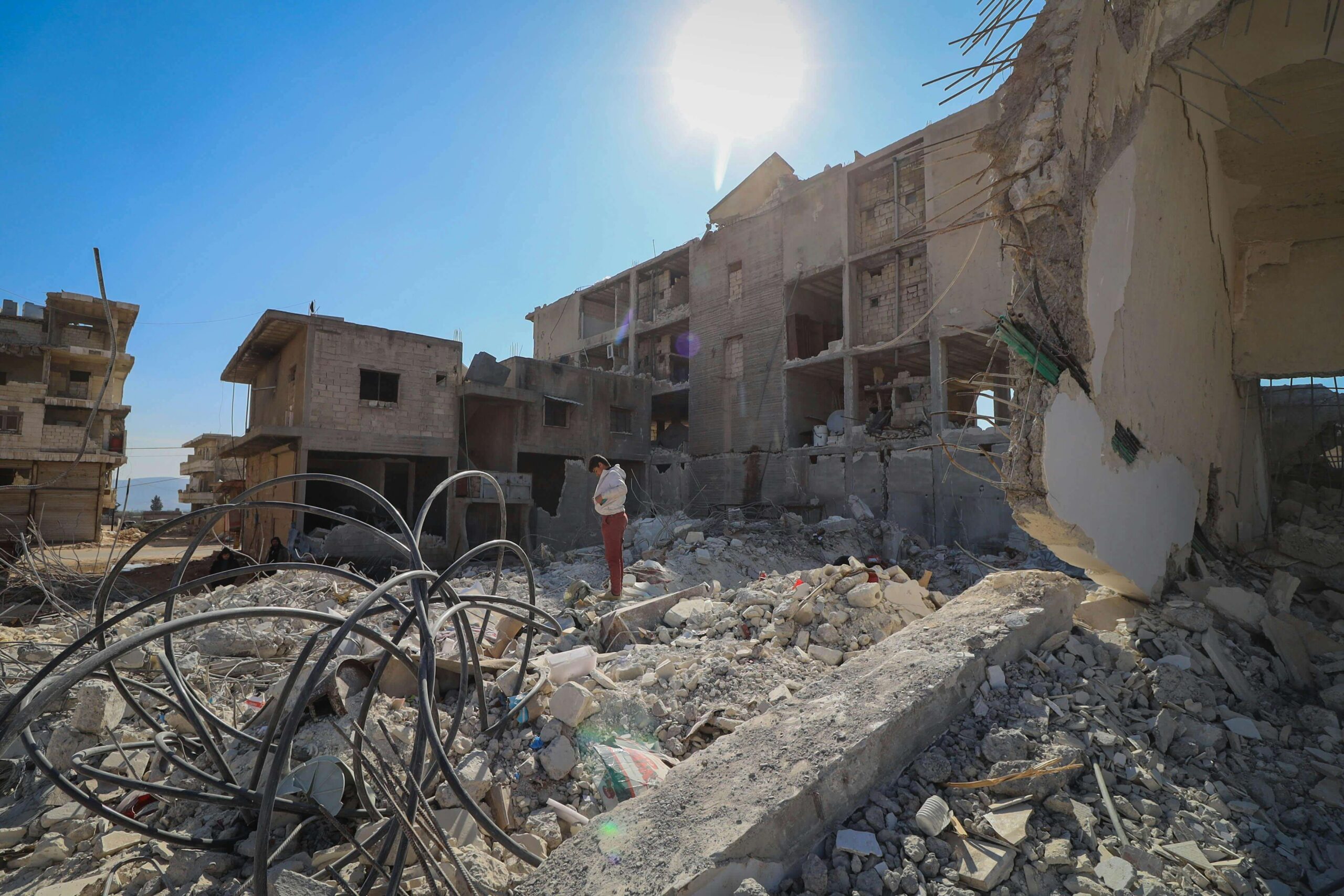
The information-psychological war focuses on manipulating the cognitive and emotional states of individuals or groups. It operates through various mechanisms:
- Propaganda and Disinformation: Spreading false or misleading information to alter perceptions.
- Social Engineering: Exploiting behavioral tendencies to influence decisions.
- Narrative Control: Shaping public discourse by controlling the flow and framing of information.
- Psychological Pressure: Inducing fear, uncertainty, or doubt to weaken morale or cohesion.
This form of conflict blurs the line between peace and war, making detection and response highly challenging.
Why Graph Theory is Relevant
Graph theory, a branch of mathematics that studies networks of nodes (vertices) and links (edges), provides a powerful framework for modeling complex systems. In the context of mental war, nodes represent individuals, groups, or information sources, while edges represent communication channels, influence pathways, or information flows.
Graph-theoretical models can help:
- Map Influence Networks: Identify key influencers and opinion leaders whose behavior significantly impacts the network.
- Analyze Vulnerabilities: Detect weak points where misinformation or psychological attacks could have maximal effect.
- Predict Spread: Estimate how information or emotional contagion propagates through social networks.
- Simulate Interventions: Test strategies to counter misinformation or reinforce resilience without real-world consequences.
By formalizing the mental war as a graph, analysts gain a systematic tool to understand the structure and dynamics of psychological operations.
Components of the Graph Model
A robust graph-theoretical model for mental war includes several key elements:
1. Nodes
Nodes represent entities that can be influenced or act as influencers. These can include:
- Individual social media users
- Community leaders or public figures
- Media outlets
- Bots or automated agents
Nodes can have attributes such as susceptibility to influence, credibility, or connectivity.
2. Edges
Edges indicate relationships, communication channels, or influence pathways. They can be weighted based on:
- Strength of interaction
- Frequency of communication
- Trust or credibility between nodes
Weighted edges allow the model to capture the varying impact of different connections.
3. Information Flows
The graph models how information—truthful or deceptive—spreads through the network. Directionality is important: some nodes may primarily disseminate content, while others mainly receive it.
4. Clusters and Communities
Clusters represent tightly connected groups where influence can amplify. Identifying clusters helps to understand echo chambers and the local propagation of ideas.
Dynamics of Mental War on Social Networks
The spread of psychological influence can be conceptualized similarly to epidemiology, with ideas, emotions, or misinformation acting as “contagions.” Graph-theoretical models simulate this by:
- Propagation Algorithms: Tracking how influence flows from node to node.
- Centrality Measures: Identifying the most influential nodes using metrics like degree centrality, betweenness, or eigenvector centrality.
- Vulnerability Analysis: Assessing which nodes or clusters are most susceptible to manipulation.
- Resilience Modeling: Testing interventions such as information inoculation, counter-narratives, or network reinforcement.
These models provide actionable insights for policymakers, security analysts, and social platforms seeking to safeguard public perception.
Real-World Applications
Graph-theoretical approaches to mental war have numerous practical applications:
- Countering Misinformation: Mapping the spread of fake news and designing interventions to minimize impact.
- Psychological Operations: Planning campaigns that maximize persuasion while minimizing resistance.
- Social Resilience: Identifying vulnerable communities and strengthening their resistance to disinformation.
- Cybersecurity: Detecting bot networks and automated agents involved in psychological manipulation.
- Policy Planning: Informing regulations on social media content moderation and information governance.
For instance, during elections or global crises, graph models can highlight which narratives are most likely to influence public opinion and which nodes are critical to neutralize misinformation.
Challenges in Modeling Mental War
Despite its advantages, modeling mental war with graph theory faces several challenges:
- Data Privacy: Social network data is sensitive, and gathering it may infringe on privacy rights.
- Dynamic Networks: Social connections and influence patterns constantly change, requiring adaptive modeling.
- Complex Human Behavior: Psychological responses are influenced by multiple factors, including culture, emotion, and context, which are difficult to quantify.
- Deceptive Actors: Bots, trolls, and AI-generated content can distort network structures and complicate analysis.
Addressing these challenges requires interdisciplinary collaboration between mathematicians, psychologists, data scientists, and security experts.
Ethical and Legal Considerations

Modeling and intervening in mental war raise ethical questions:
- Manipulation vs. Protection: Where is the line between protecting a community and manipulating it?
- Consent and Autonomy: Individuals may be unaware they are part of influence studies or interventions.
- Transparency: Governments and organizations must ensure ethical use of psychological modeling.
Legally, issues of surveillance, data protection, and freedom of expression must be carefully navigated when using these models for intervention.
Future Directions
Graph-theoretical modeling of mental war is evolving rapidly. Future directions include:
- Integration with AI: Using machine learning to predict network dynamics and influence outcomes more accurately.
- Real-Time Analysis: Leveraging real-time social media data to monitor ongoing psychological operations.
- Multilayer Networks: Combining online and offline influence networks for a holistic view of mental warfare.
- Simulation Environments: Creating virtual testbeds for policy experimentation and scenario planning.
As technology advances, these models will become increasingly sophisticated, enabling more proactive defense against information-psychological attacks.
Conclusion
The information-psychological “mental war” represents a significant evolution in modern conflict, targeting the perceptions and behaviors of populations rather than physical assets. Graph-theoretical models provide a powerful framework to analyze, predict, and counter these operations. By mapping networks of influence, identifying vulnerable nodes, and simulating information propagation, analysts can develop strategies to protect societies from manipulation.
However, these tools must be applied responsibly, balancing effectiveness with ethical and legal considerations. In the age of digital conflict, understanding the dynamics of mental war is essential for ensuring the integrity of information ecosystems and safeguarding public trust.