

AI-Enabled Corps: In today’s rapidly evolving digital landscape, the integration of artificial intelligence (AI) into organizational structures is no longer a futuristic concept—it is a present-day reality. One of the most transformative ideas emerging from this shift is the concept of the AI-Enabled Corps. This term refers to a workforce model where humans and AI systems collaborate seamlessly, enhancing productivity, decision-making, and innovation across industries. Far from replacing human roles, the AI-Enabled Corps represents a reimagining of how work is performed, where technology amplifies human potential rather than diminishing it.
Understanding the AI-Enabled Corps

At its core, the AI-Enabled Corps is not just about deploying advanced technologies; it is about creating a symbiotic relationship between human intelligence and machine capabilities. In such a system, AI handles repetitive, data-intensive, and time-consuming tasks, allowing human workers to focus on creativity, strategy, and emotional intelligence.
For instance, in a traditional organization, employees may spend hours analyzing data, generating reports, or performing routine administrative tasks. In an AI-enabled environment, these responsibilities are largely automated through machine learning algorithms and intelligent systems. As a result, employees can dedicate their time to higher-value activities such as problem-solving, innovation, and building relationships.
Key Components of an AI-Enabled Corps
To fully understand how the AI-Enabled Corps operates, it is important to examine its core components:
1. Intelligent Automation
Automation lies at the heart of the AI-Enabled Corps. Through technologies such as robotic process automation (RPA) and machine learning, organizations can streamline workflows and reduce operational inefficiencies. Tasks that once required manual intervention can now be completed in seconds with minimal errors.
2. Data-Driven Decision Making
AI systems excel at processing vast amounts of data and identifying patterns that are often invisible to humans. In an AI-enabled workforce, decision-making becomes more accurate and evidence-based. Leaders can rely on predictive analytics to forecast trends, mitigate risks, and seize opportunities.
3. Human-AI Collaboration
The most significant aspect of the AI-Enabled Corps is the collaboration between humans and machines. Rather than viewing AI as a replacement, organizations treat it as a partner. Employees work alongside AI tools to enhance their capabilities, leading to better outcomes and increased efficiency.
4. Continuous Learning and Adaptation
AI systems are designed to learn and improve over time. Similarly, employees in an AI-enabled organization must continuously update their skills to keep pace with technological advancements. This creates a culture of lifelong learning and adaptability.
Benefits of the AI-Enabled Corps
The adoption of an AI-Enabled Corps offers numerous advantages for organizations, employees, and society as a whole.
Enhanced Productivity
By automating routine tasks, organizations can significantly boost productivity. Employees can accomplish more in less time, leading to improved performance and reduced operational costs.
Improved Accuracy
AI systems are less prone to human error, particularly in tasks involving data processing and analysis. This leads to more reliable outcomes and better decision-making.
Innovation and Creativity
When employees are freed from repetitive tasks, they have more time to think creatively and develop innovative solutions. The AI-Enabled Corps fosters an environment where new ideas can flourish.
Better Customer Experiences
AI-powered tools can analyze customer behavior and preferences, enabling organizations to deliver personalized experiences. This leads to higher customer satisfaction and loyalty.
Challenges and Ethical Considerations
While the AI-Enabled Corps offers significant benefits, it also presents several challenges that must be addressed.
Job Displacement Concerns
One of the most common concerns associated with AI is the potential for job displacement. While AI can automate certain roles, it also creates new opportunities that require different skill sets. The key lies in reskilling and upskilling the workforce to adapt to these changes.
Data Privacy and Security
AI systems rely heavily on data, raising concerns about privacy and security. Organizations must implement robust measures to protect sensitive information and ensure compliance with regulations.
Bias and Fairness
AI algorithms can sometimes reflect biases present in the data they are trained on. This can lead to unfair outcomes in areas such as hiring, lending, and law enforcement. Addressing these biases is crucial to building trust in AI systems.
Ethical Responsibility
As AI becomes more integrated into decision-making processes, organizations must consider the ethical implications of their actions. Transparency, accountability, and fairness should be at the forefront of AI deployment.
Real-World Applications of the AI-Enabled Corps
The concept of the AI-Enabled Corps is already being implemented across various industries:
Healthcare
In healthcare, AI systems assist doctors in diagnosing diseases, analyzing medical images, and predicting patient outcomes. This not only improves accuracy but also saves lives.
Finance
Financial institutions use AI to detect fraud, assess credit risk, and optimize investment strategies. The result is a more secure and efficient financial system.
Manufacturing
AI-driven automation in manufacturing enhances production efficiency, reduces waste, and improves product quality. Smart factories are a prime example of the AI-Enabled Corps in action.
Education
In education, AI tools provide personalized learning experiences, helping students learn at their own pace. Teachers can use AI to identify learning gaps and tailor their teaching methods accordingly.
Building an AI-Enabled Corps
Creating an AI-Enabled Corps requires a strategic approach that goes beyond simply adopting new technologies.
Invest in Technology
Organizations must invest in the right AI tools and infrastructure to support their operations. This includes machine learning platforms, data analytics tools, and automation software.
Develop Talent
Employees need to be equipped with the skills required to work alongside AI systems. This involves training programs, workshops, and continuous learning opportunities.
Foster a Culture of Innovation
An AI-enabled organization thrives on innovation. Leaders must encourage experimentation, creativity, and collaboration among employees.
Ensure Ethical Practices
Ethical considerations should be integrated into every aspect of AI deployment. Organizations must establish clear guidelines and frameworks to ensure responsible use of AI.
The Future of the AI-Enabled Corps
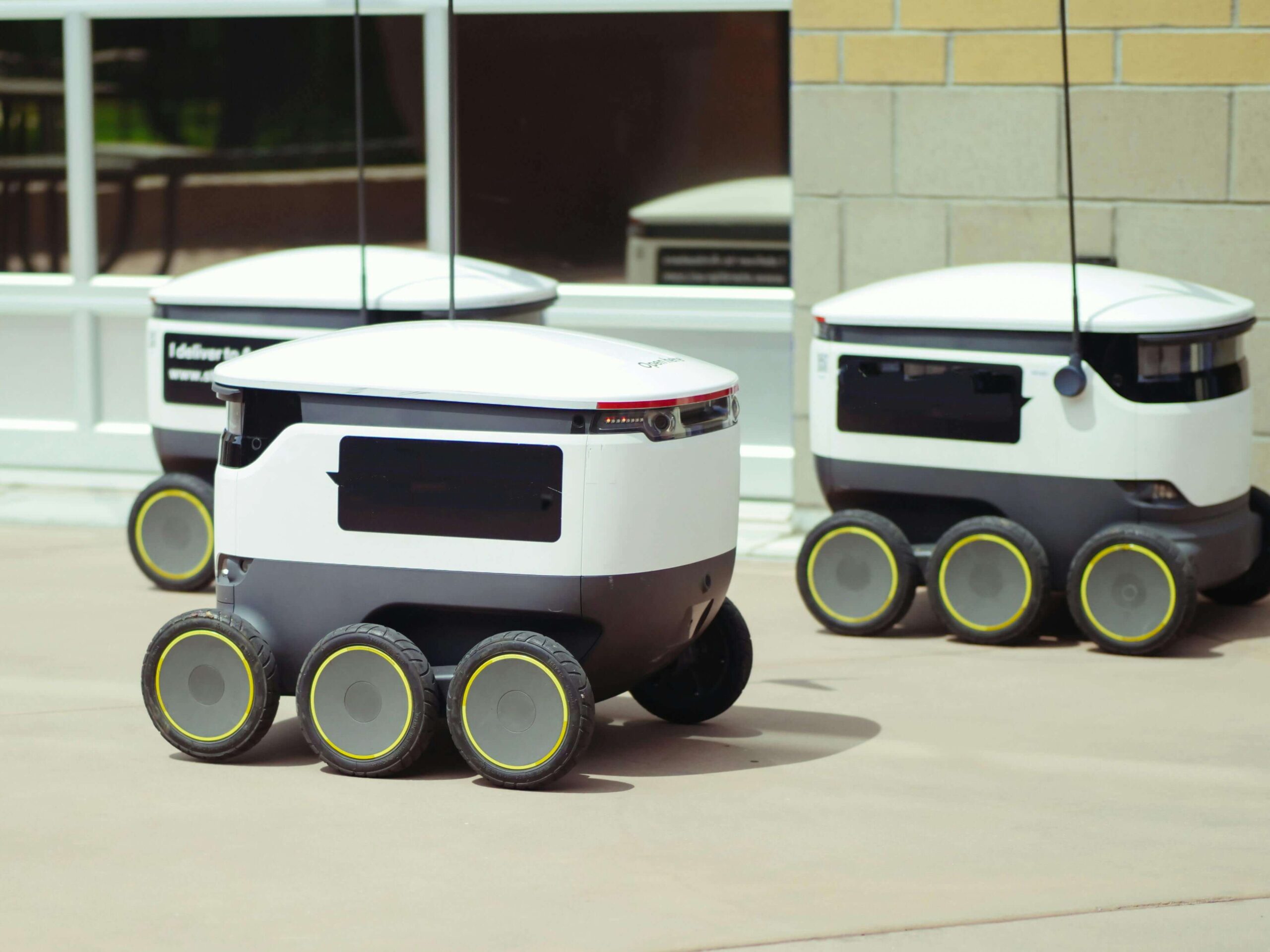
As AI technology continues to evolve, the concept of the AI-Enabled Corps will become increasingly prominent. Organizations that embrace this model will be better positioned to compete in the global market and adapt to changing conditions.
In the future, we can expect even deeper integration of AI into the workforce. Advanced technologies such as natural language processing, computer vision, and autonomous systems will further enhance human capabilities. The line between human and machine roles will continue to blur, creating new opportunities for collaboration.
However, the success of the AI-Enabled Corps will ultimately depend on how well organizations balance technological advancement with human values. Empathy, creativity, and ethical judgment are qualities that cannot be replicated by machines, making them essential in an AI-driven world.
Conclusion
The AI-Enabled Corps represents a paradigm shift in how organizations operate and how work is performed. By combining the strengths of human intelligence with the capabilities of AI, this model unlocks new levels of productivity, innovation, and efficiency.
While challenges such as job displacement, data privacy, and ethical concerns must be addressed, the potential benefits far outweigh the risks. The key lies in adopting a balanced approach that prioritizes both technological advancement and human well-being.
Ultimately, the AI-Enabled Corps is not about replacing humans—it is about empowering them. As organizations continue to embrace this model, they will not only transform their operations but also shape the future of work in a way that is more intelligent, inclusive, and sustainable.