

Generative AI in Software Development: The world of software development is evolving rapidly, and one of the most influential forces driving this transformation is generative artificial intelligence (AI). From automating repetitive coding tasks to assisting developers in debugging complex systems, generative AI is reshaping how software is designed, developed, tested, and maintained.
The traditional software development lifecycle (SDLC) involves several stages including planning, design, coding, testing, deployment, and maintenance. Historically, these stages required significant human effort, collaboration, and time. Today, generative AI tools are enhancing each phase of the lifecycle, making development faster, more efficient, and increasingly intelligent.
By integrating AI-driven tools into development workflows, organizations can improve productivity, reduce errors, and accelerate innovation. However, this technological shift also introduces new challenges related to code quality, security, and developer skills.
Understanding Generative AI in Software Development

Generative AI refers to artificial intelligence systems capable of producing content such as text, images, or code based on patterns learned from large datasets.
In the software industry, generative AI tools can generate code snippets, explain programming concepts, suggest bug fixes, and even design software architectures.
Popular AI coding assistants include ChatGPT, GitHub Copilot, and Gemini.
These tools analyze existing code patterns and provide intelligent suggestions that help developers write and review software more efficiently.
The Traditional Software Development Lifecycle
Before examining how AI influences development, it is important to understand the stages of the traditional software development lifecycle.
Planning
The planning stage involves identifying project requirements, defining objectives, and determining resources.
Design
Developers create system architecture, data structures, and design models that outline how the software will function.
Development
This stage involves writing the actual code and building application features.
Testing
Software testing identifies bugs, performance issues, and security vulnerabilities.
Deployment
Once tested, the software is released to users through servers, platforms, or application stores.
Maintenance
Developers continue updating the software by fixing bugs, improving performance, and adding new features.
Generative AI now plays a role in enhancing nearly every stage of this lifecycle.
AI in the Planning and Requirement Analysis Phase
Generative AI can assist teams during the early stages of project planning.
Developers and project managers can use AI tools to summarize documentation, analyze technical requirements, and generate project outlines.
For example, AI can help transform a simple project description into a structured list of features, user stories, and development tasks.
This reduces the time required for manual documentation and allows teams to focus more on strategic decisions.
AI-powered systems can also analyze historical project data to estimate development timelines and resource needs more accurately.
AI-Assisted Software Design
Designing a software system often involves complex decision-making related to architecture, frameworks, and scalability.
Generative AI tools can assist developers by recommending design patterns, database structures, and system architecture based on project requirements.
For instance, AI can suggest microservices architecture for large-scale applications or recommend specific frameworks suited to certain programming languages.
By analyzing existing best practices, generative AI helps developers design systems that are more efficient and scalable.
AI-Powered Code Generation
One of the most visible impacts of generative AI in software development is automated code generation.
AI tools can generate code snippets, functions, and sometimes entire modules based on simple instructions provided by developers.
For example, a developer might ask an AI tool to create a login authentication function in a specific programming language.
The AI can quickly produce a functional code example that the developer can refine or integrate into the application.
This capability significantly accelerates development speed and reduces the time spent on repetitive coding tasks.
Developers can focus more on creative problem-solving while AI handles routine coding work.
Improving Debugging and Error Detection
Debugging is one of the most time-consuming aspects of software development.
Generative AI tools can analyze code to identify potential bugs, logical errors, or inefficiencies.
For example, AI assistants can review a block of code and suggest corrections, explain why an error occurs, and propose optimized solutions.
This support allows developers to resolve issues faster and maintain higher code quality.
In addition, AI can help identify vulnerabilities that might lead to cybersecurity risks, improving the overall reliability of software systems.
AI in Software Testing
Testing ensures that software functions correctly before it is released to users.
Generative AI can automate many aspects of testing, including:
-
Generating test cases
-
Simulating user interactions
-
Identifying performance bottlenecks
-
Predicting potential system failures
AI-powered testing tools can analyze application behavior and automatically generate test scenarios that developers might not have considered.
This helps improve software reliability while reducing the manual effort required for testing.
Enhancing Documentation and Knowledge Sharing
Software documentation is essential for collaboration and long-term maintenance.
However, developers often consider documentation tedious and time-consuming.
Generative AI can automatically generate documentation by analyzing source code and explaining how functions and modules operate.
This improves knowledge sharing within development teams and ensures that future developers can understand the system more easily.
AI-generated documentation can also help onboard new developers more efficiently.
AI in Deployment and DevOps
Generative AI is also influencing DevOps, the practice of integrating development and operations processes.
AI tools can assist in automating deployment pipelines, monitoring system performance, and predicting infrastructure issues.
For example, AI can analyze system logs to detect unusual patterns that might indicate server failures or security threats.
By identifying potential problems early, AI systems help maintain stable and reliable software environments.
Challenges of Using Generative AI in Software Development
Despite its advantages, generative AI also presents several challenges.
Code Quality Concerns
AI-generated code may sometimes contain errors, inefficient structures, or outdated practices.
Developers must carefully review AI-generated suggestions before integrating them into production systems.
Security Risks
If AI models generate code based on insecure examples, vulnerabilities may appear in applications.
Proper security reviews remain essential when using AI-assisted development tools.
Overdependence on AI
Some developers worry that excessive reliance on AI could reduce human problem-solving skills.
Maintaining strong programming fundamentals is still important for understanding complex systems.
Intellectual Property Issues
AI-generated code raises questions about ownership and licensing, especially if the AI was trained on publicly available code repositories.
Organizations must consider legal and ethical aspects when using AI-generated code.
The Future of AI in Software Development
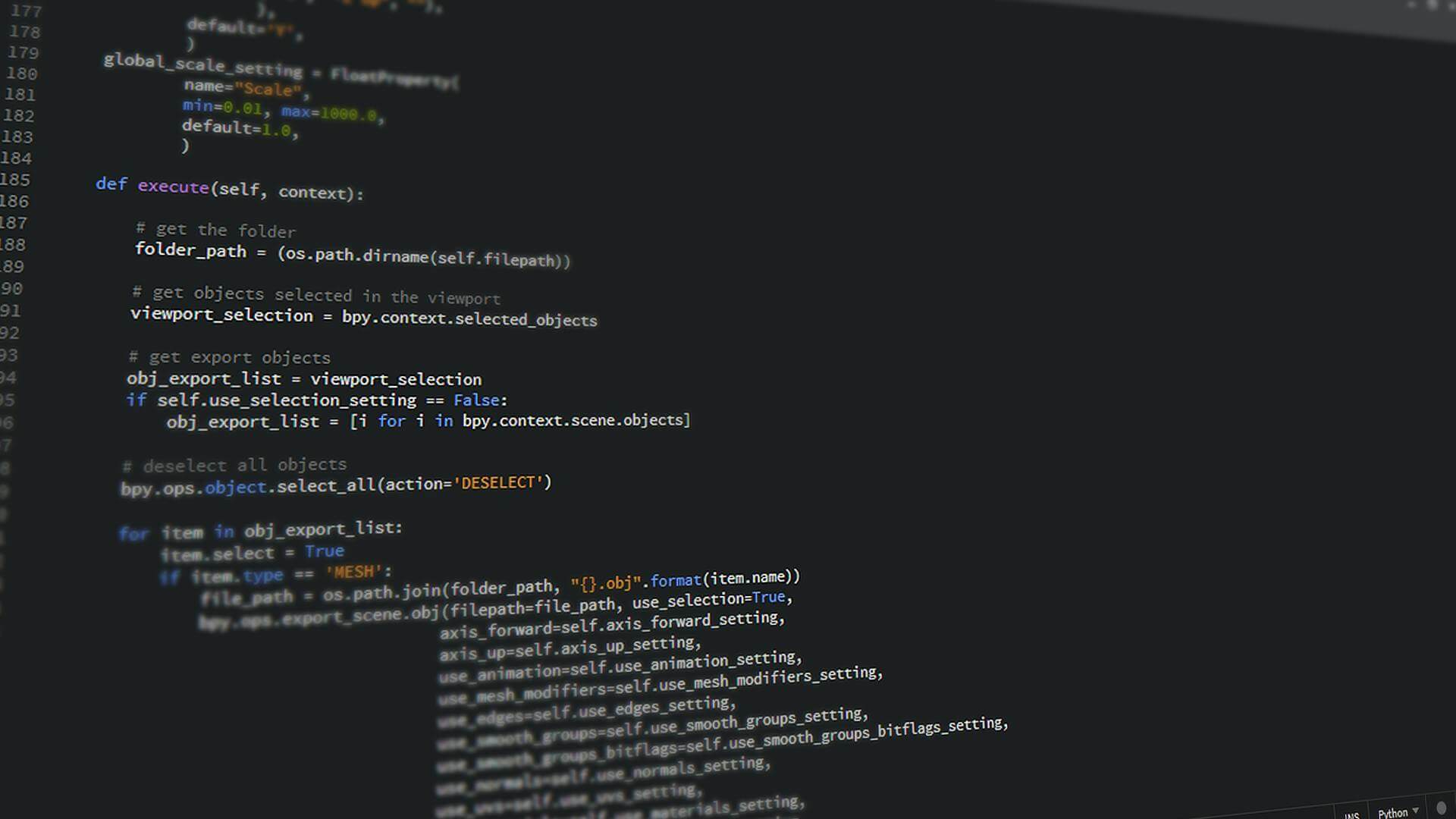
Generative AI is still evolving, and its role in software development will likely expand significantly in the coming years.
Future advancements may include:
-
Fully AI-assisted software design systems
-
Automated code refactoring and optimization
-
AI-driven project management tools
-
More advanced debugging and security analysis
Rather than replacing developers, generative AI will likely act as a powerful assistant that enhances human creativity and productivity.
Developers will increasingly focus on high-level design, innovation, and strategic decision-making while AI handles repetitive technical tasks.
Conclusion
Generative artificial intelligence is transforming the software development lifecycle in profound ways. From planning and design to coding, testing, and deployment, AI-powered tools are helping developers work faster and more efficiently.
Technologies such as ChatGPT, GitHub Copilot, and Gemini demonstrate how AI can support modern development workflows.
While challenges such as security risks and code quality concerns remain, the benefits of AI-assisted development are significant.
As generative AI continues to evolve, it will likely become an essential partner for software engineers, helping them build innovative, reliable, and scalable applications in an increasingly digital world.