

AI in Natural Gas Industry: The global energy sector is undergoing a significant technological transformation, and artificial intelligence (AI) is at the center of this change. Industries that once relied heavily on manual operations and traditional engineering methods are now adopting advanced data-driven technologies to improve efficiency, safety, and sustainability. Among these industries, the natural gas sector has started embracing AI to optimize exploration, production, distribution, and maintenance processes.
Natural gas plays a critical role in the global energy mix as a cleaner alternative to coal and oil. However, the industry faces complex challenges, including fluctuating demand, operational risks, environmental concerns, and high infrastructure costs. Artificial intelligence offers promising solutions to these challenges by analyzing massive datasets, predicting potential issues, and improving decision-making.
This literature review explores the key applications of AI in the natural gas industry, highlighting how modern technologies are reshaping energy production and management.
Understanding Artificial Intelligence in Energy Systems

Artificial intelligence refers to computer systems designed to perform tasks that typically require human intelligence. These tasks include learning from data, recognizing patterns, making predictions, and automating complex processes.
In the energy sector, AI is often combined with technologies such as:
-
Machine learning
-
Big data analytics
-
Internet of Things (IoT) sensors
-
Cloud computing
These technologies enable companies to collect and analyze enormous volumes of operational data from drilling equipment, pipelines, storage facilities, and distribution networks.
By converting raw data into actionable insights, AI helps energy companies improve efficiency while reducing costs and environmental impact.
AI in Natural Gas Exploration
One of the most important stages in the natural gas industry is exploration. Identifying potential gas reserves requires analyzing geological data, seismic surveys, and historical exploration records.
Traditionally, this process could take months or even years and often involved significant uncertainty. AI-powered systems now allow geologists and engineers to analyze seismic data more accurately and efficiently.
Machine learning algorithms can identify patterns in geological formations that indicate the presence of natural gas reserves. These models can process vast datasets much faster than human analysts, helping companies locate promising exploration sites.
Research literature highlights that AI-driven exploration methods can reduce drilling risks and increase the success rate of exploration projects. This not only saves time and resources but also improves the overall efficiency of energy production.
Predictive Maintenance in Gas Infrastructure
The natural gas industry relies on complex infrastructure, including pipelines, compressors, processing plants, and storage facilities. Maintaining this infrastructure is essential to prevent accidents, leaks, and costly downtime.
Artificial intelligence plays a key role in predictive maintenance, which involves analyzing equipment data to predict when maintenance will be required.
AI systems can monitor real-time data from sensors installed in pipelines and machinery. By detecting unusual patterns such as pressure fluctuations or temperature changes, AI models can identify potential problems before they become serious failures.
According to several research studies, predictive maintenance powered by AI can significantly reduce operational disruptions and maintenance costs while improving safety standards in the natural gas industry.
Pipeline Monitoring and Leak Detection
Pipeline networks transport natural gas across long distances, making them vulnerable to leaks, corrosion, and environmental damage.
Detecting pipeline issues quickly is crucial for preventing environmental hazards and ensuring the safe delivery of gas.
AI technologies can analyze sensor data, satellite imagery, and drone inspections to detect anomalies in pipeline systems. Machine learning models can identify subtle signs of leaks or structural weaknesses that might otherwise go unnoticed.
Some AI systems can even predict which sections of pipelines are most likely to develop problems based on historical data and environmental conditions.
These advanced monitoring systems allow energy companies to respond rapidly to potential threats and reduce the risk of major accidents.
AI in Production Optimization
After natural gas reserves are discovered and extraction begins, companies must optimize production processes to maximize efficiency and profitability.
AI tools can analyze operational data from drilling equipment, reservoirs, and production facilities to improve extraction strategies.
For example, machine learning algorithms can evaluate factors such as reservoir pressure, gas flow rates, and geological conditions to recommend optimal drilling techniques.
These insights help engineers make better decisions about well placement, drilling speed, and production methods.
Research indicates that AI-driven optimization can increase gas recovery rates while reducing operational costs.
Energy Demand Forecasting
Another important application of AI in the natural gas industry is energy demand forecasting. Accurate demand predictions are essential for maintaining stable energy supply and avoiding shortages or overproduction.
AI models can analyze historical consumption patterns, weather data, economic indicators, and seasonal trends to forecast future demand for natural gas.
These forecasts allow energy companies to adjust production levels, manage storage facilities, and plan distribution strategies more effectively.
Improved demand forecasting also supports national energy planning and helps governments maintain stable energy markets.
Environmental Monitoring and Sustainability
Environmental sustainability has become a major concern in the energy sector. Although natural gas is considered cleaner than other fossil fuels, its extraction and transportation still carry environmental risks.
AI technologies are increasingly used to monitor environmental impacts associated with natural gas operations.
For instance, AI-powered satellite monitoring systems can detect methane emissions from gas facilities and pipelines. Methane is a potent greenhouse gas, and reducing emissions is critical for climate protection.
By identifying emission sources quickly, AI systems enable companies to take corrective actions and improve environmental compliance.
Additionally, AI can assist in optimizing energy efficiency within gas processing plants, reducing waste and minimizing carbon footprints.
Challenges in Implementing AI in the Natural Gas Industry
Despite its potential benefits, implementing AI in the natural gas sector is not without challenges.
Data Quality and Availability
AI systems rely heavily on high-quality data. In many energy operations, historical data may be incomplete or inconsistent, making it difficult to train reliable AI models.
Integration with Existing Infrastructure
Many natural gas facilities operate using legacy systems that were not designed to integrate with modern digital technologies. Upgrading these systems can require significant investment.
Cybersecurity Risks
As energy infrastructure becomes more connected through digital networks, it becomes more vulnerable to cyberattacks. Protecting sensitive operational data and critical infrastructure is essential when adopting AI technologies.
Skilled Workforce Requirements
Implementing AI solutions requires expertise in data science, engineering, and energy systems. Companies must invest in training and hiring skilled professionals to manage AI-driven operations.
Future Trends in AI for the Natural Gas Industry
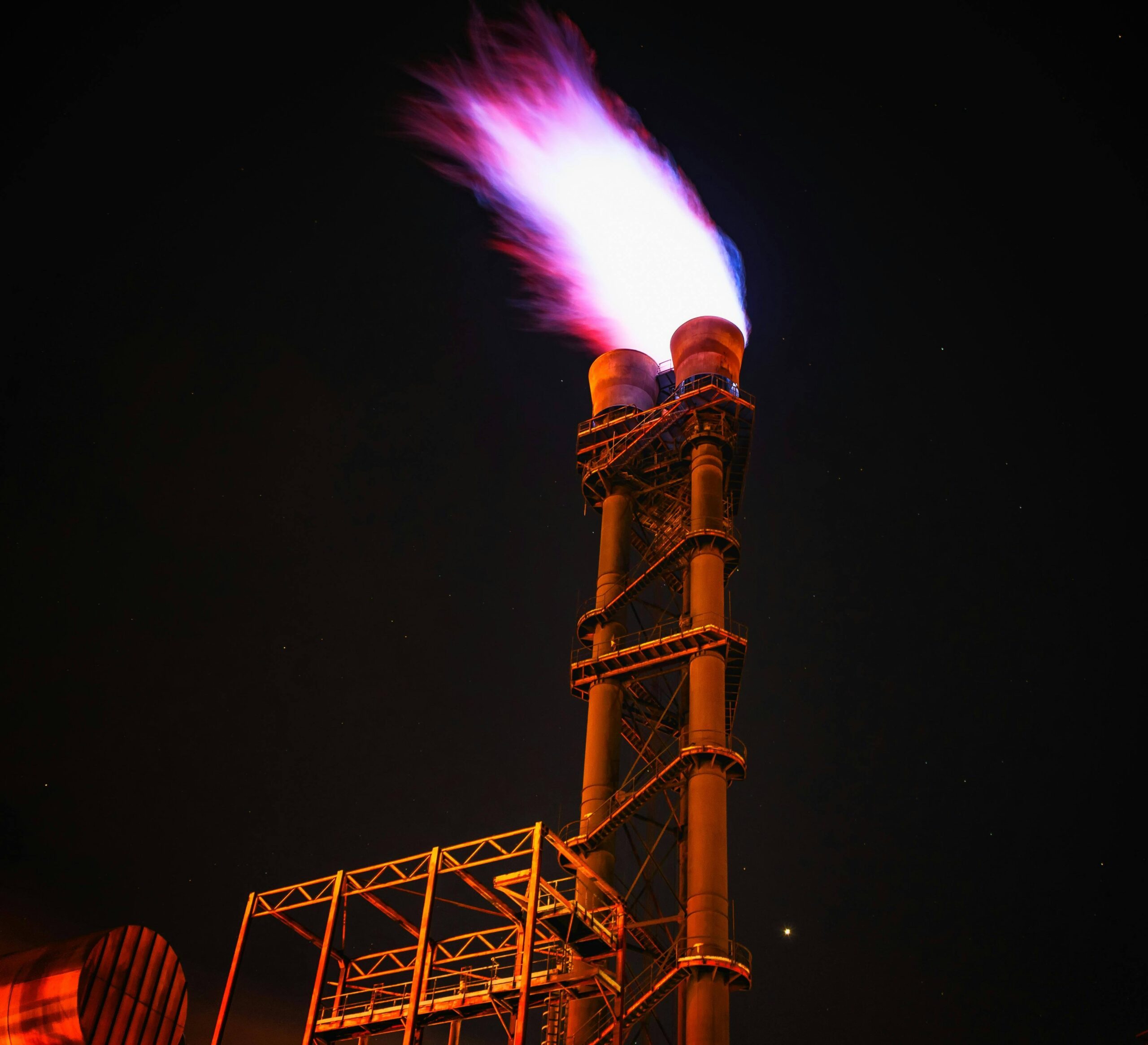
The role of AI in the natural gas sector is expected to grow significantly in the coming years.
Future developments may include:
-
Fully automated drilling systems powered by AI
-
Advanced digital twins for gas infrastructure monitoring
-
AI-driven carbon emission reduction strategies
-
Integration of AI with renewable energy systems
These innovations could help the natural gas industry transition toward more efficient and sustainable energy production.
Conclusion
Artificial intelligence is rapidly transforming the natural gas industry by improving exploration, production, maintenance, and environmental monitoring processes. Through technologies such as machine learning, predictive analytics, and IoT integration, AI enables companies to analyze complex datasets and make smarter operational decisions.
From identifying new gas reserves to predicting equipment failures and reducing environmental impacts, AI applications are helping energy companies operate more efficiently and safely.
While challenges related to data quality, infrastructure integration, and cybersecurity remain, the potential benefits of AI adoption are substantial. As technology continues to evolve, artificial intelligence will likely play an increasingly important role in shaping the future of the natural gas industry.