

AI in supply chains: Supply chains are the backbone of modern businesses. They ensure that products move efficiently from manufacturers to customers. However, supply chains often face challenges such as delays, demand fluctuations, inventory shortages, transportation issues, and rising operational costs. These problems can disrupt business operations and affect customer satisfaction.
In recent years, Artificial Intelligence (AI) has emerged as a powerful solution to many supply chain challenges. AI technologies can analyze large amounts of data, predict future trends, automate processes, and improve decision-making. By using AI in supply chain management, businesses can increase efficiency, reduce risks, and respond quickly to market changes.
This article explains how AI helps overcome supply chain challenges, the key technologies involved, and how businesses can benefit from adopting AI-powered solutions.
Understanding Supply Chain Challenges

Before exploring how AI helps, it is important to understand the common challenges faced by supply chains.
Demand Uncertainty
One of the biggest challenges is predicting customer demand accurately. If businesses underestimate demand, they may run out of stock. If they overestimate demand, they may end up with excess inventory that increases storage costs.
Inventory Management
Managing inventory efficiently is difficult for many companies. Poor inventory planning can lead to product shortages or unnecessary stock accumulation.
Transportation and Logistics Issues
Transportation delays, route inefficiencies, and fuel costs can significantly affect supply chain performance.
Lack of Visibility
Many businesses struggle to track products across the supply chain. Without real-time visibility, it becomes difficult to identify problems quickly.
Supply Chain Disruptions
Unexpected events such as natural disasters, global crises, or supplier failures can disrupt supply chain operations.
These challenges highlight the need for advanced technologies like AI to improve supply chain management.
How AI Improves Supply Chain Management
Artificial Intelligence provides advanced tools that help businesses manage complex supply chains more effectively. AI can analyze historical data, detect patterns, and provide insights that help organizations make better decisions.
Here are some important ways AI helps overcome supply chain challenges.
AI-Powered Demand Forecasting
Demand forecasting is one of the most important areas where AI can make a major difference.
Traditional forecasting methods rely on historical data and manual analysis. However, AI can analyze much larger datasets, including:
- Market trends
- Seasonal patterns
- Customer behavior
- Economic indicators
- Social media activity
Using machine learning algorithms, AI can predict future demand with greater accuracy.
This helps businesses:
- Maintain optimal inventory levels
- Reduce overstocking or understocking
- Improve production planning
Accurate demand forecasting ensures that products are available when customers need them.
Smart Inventory Management
AI can also improve inventory management by monitoring stock levels in real time and automatically adjusting inventory strategies.
AI systems analyze data from warehouses, sales channels, and suppliers to determine the best inventory levels.
Benefits include:
- Reduced storage costs
- Faster restocking
- Improved product availability
Some AI systems even trigger automatic purchase orders when inventory levels drop below a certain threshold.
This automation helps businesses maintain smooth supply chain operations.
AI for Supply Chain Visibility
One major challenge in supply chain management is the lack of visibility across the entire network.
AI technologies combined with sensors and tracking systems allow businesses to monitor products in real time.
Companies can track shipments, monitor warehouse conditions, and detect potential delays before they become serious problems.
Improved visibility helps organizations:
- Identify bottlenecks quickly
- Improve communication with suppliers
- Make faster decisions during disruptions
Real-time tracking also enhances transparency, which builds trust with customers and partners.
Optimizing Logistics and Transportation
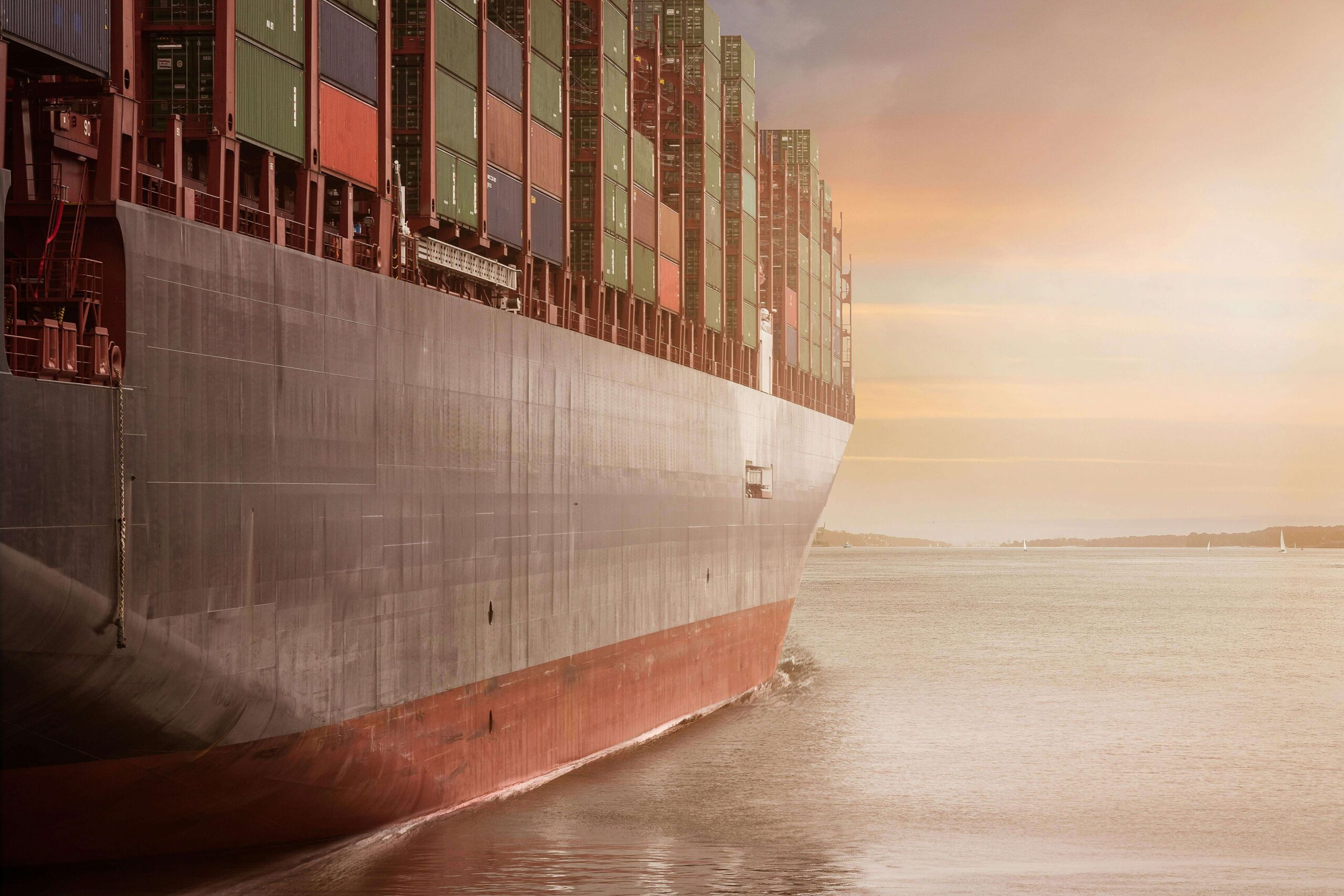
Transportation is one of the most expensive components of supply chain management. AI helps optimize logistics by analyzing routes, traffic conditions, and fuel usage.
AI-powered systems can:
- Suggest the most efficient delivery routes
- Reduce transportation time
- Lower fuel consumption
- Improve delivery accuracy
For example, AI can automatically adjust delivery routes if traffic conditions change. This ensures faster deliveries and reduces operational costs.
Businesses using AI-powered logistics systems often experience significant improvements in efficiency.
Predictive Maintenance for Equipment
Supply chains rely on machinery such as warehouse equipment, vehicles, and manufacturing systems. When equipment fails unexpectedly, it can disrupt operations and cause delays.
AI can predict equipment failures before they occur through predictive maintenance.
Sensors collect data about machine performance, such as temperature, vibration, and usage patterns. AI algorithms analyze this data to identify early signs of potential problems.
Benefits of predictive maintenance include:
- Reduced downtime
- Lower repair costs
- Improved operational efficiency
By preventing unexpected equipment failures, businesses can maintain a smooth supply chain process.
Risk Management and Disruption Prediction
Supply chains are vulnerable to various risks, including natural disasters, political instability, and supplier issues.
AI systems can analyze global data sources such as weather reports, news updates, and market trends to identify potential risks.
When a potential disruption is detected, AI systems can recommend alternative strategies, such as:
- Switching suppliers
- Adjusting delivery routes
- Increasing safety stock levels
This proactive approach helps businesses respond quickly and minimize supply chain disruptions.
Supplier Management with AI
Suppliers play a crucial role in the supply chain. Choosing reliable suppliers and maintaining strong relationships is essential for business success.
AI tools can analyze supplier performance based on factors such as:
- Delivery reliability
- Product quality
- Pricing trends
- Risk levels
This analysis helps businesses select the best suppliers and avoid those that may cause delays or quality issues.
AI-powered supplier management systems improve collaboration and reduce supply chain risks.
Real-World Examples of AI in Supply Chains
Many global companies are already using AI to improve their supply chain operations.
Retail Industry
Retail companies use AI to predict demand, manage inventory, and optimize product distribution. AI helps ensure that stores and warehouses always have the right products available.
E-Commerce Platforms
Online marketplaces use AI to recommend products, forecast demand, and improve delivery systems.
Manufacturing Companies
Manufacturers use AI to optimize production schedules, monitor equipment, and manage supplier networks.
Logistics Providers
Logistics companies use AI to analyze transportation data, optimize delivery routes, and improve shipment tracking.
These real-world applications show how AI is transforming supply chain management across industries.
Challenges of Using AI in Supply Chains
Although AI offers many benefits, implementing AI solutions can also present challenges.
High Initial Investment
Developing AI systems and integrating them into existing supply chains can require significant investment.
Data Quality Issues
AI systems depend heavily on accurate data. Poor-quality data can lead to incorrect predictions and decisions.
Technical Complexity
Implementing AI solutions requires skilled professionals such as data scientists and AI engineers.
Change Management
Employees may need training to adapt to AI-driven processes.
Despite these challenges, the long-term benefits of AI in supply chain management often outweigh the initial difficulties.
The Future of AI in Supply Chain Management
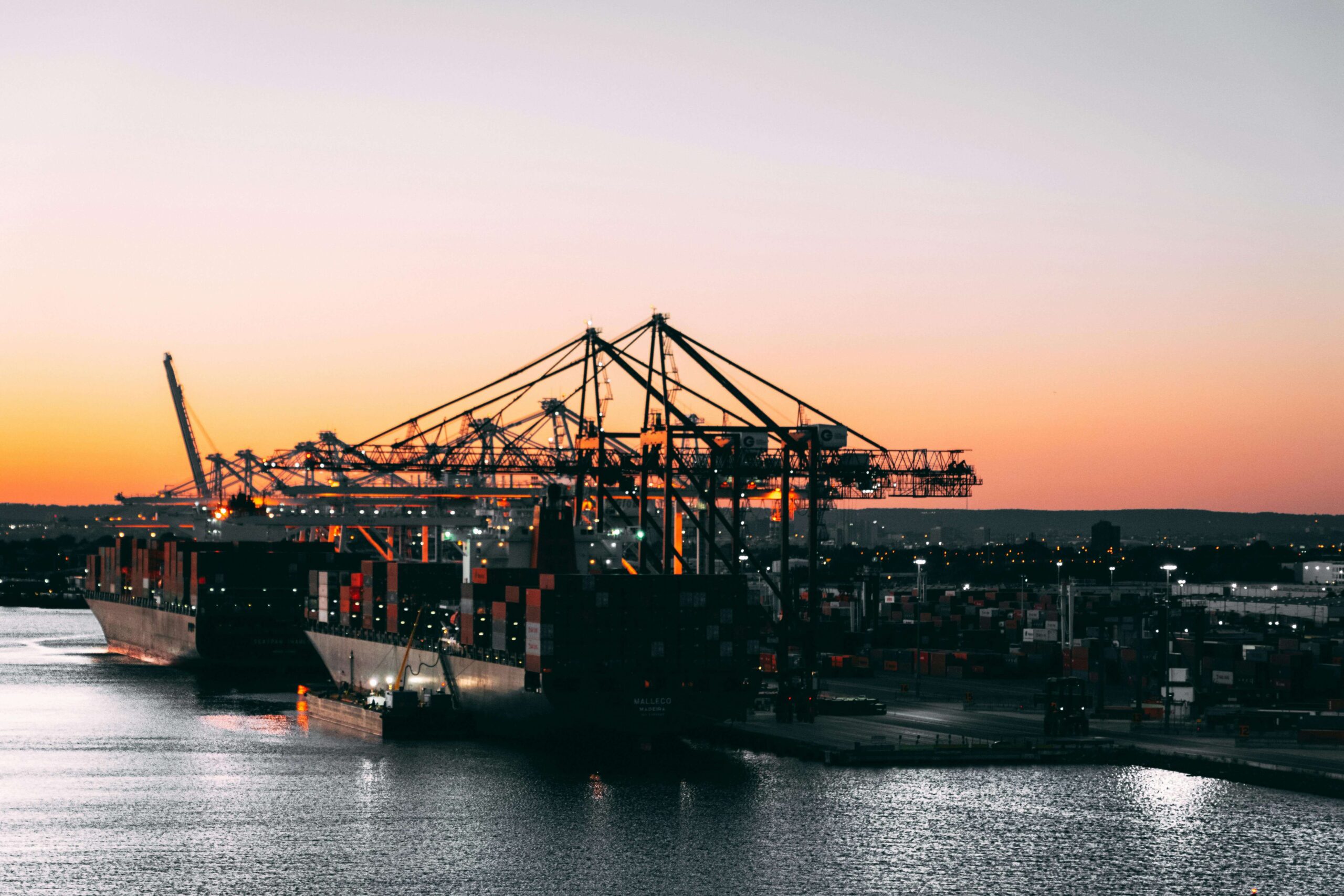
The role of AI in supply chains is expected to grow rapidly in the coming years.
Future developments may include:
- Fully autonomous supply chains
- AI-powered robotics in warehouses
- Advanced predictive analytics
- Real-time global supply chain monitoring
As AI technologies continue to improve, businesses will be able to manage supply chains more efficiently and respond quickly to market changes.
Organizations that adopt AI early will likely gain a competitive advantage in the global market.
Conclusion
Supply chain challenges can significantly impact business performance, customer satisfaction, and profitability. Issues such as demand uncertainty, inventory problems, transportation delays, and supply disruptions require smarter solutions.
Artificial Intelligence provides powerful tools that help businesses overcome these challenges. From demand forecasting and inventory management to logistics optimization and risk prediction, AI improves every stage of the supply chain.
By adopting AI-powered solutions, companies can enhance efficiency, reduce costs, and build more resilient supply chains. As technology continues to evolve, AI will play an increasingly important role in shaping the future of global supply chain management.