

Solar panels are a key technology in the transition toward renewable energy. By converting sunlight into electricity, solar photovoltaic (PV) systems help households, businesses, and utilities generate cleaner power. However, solar energy production depends on sunlight, weather conditions, equipment performance, and effective energy management.
Artificial intelligence (AI) is helping address these challenges by making solar energy systems more intelligent, responsive, and data-driven.
From predicting solar power generation to identifying equipment problems and managing battery storage, AI can improve how solar installations operate.
In this article, we explore how AI is used in solar panels, its major applications, benefits, challenges, and future potential for homeowners and renewable energy businesses.
How Artificial Intelligence Works With Solar Panels
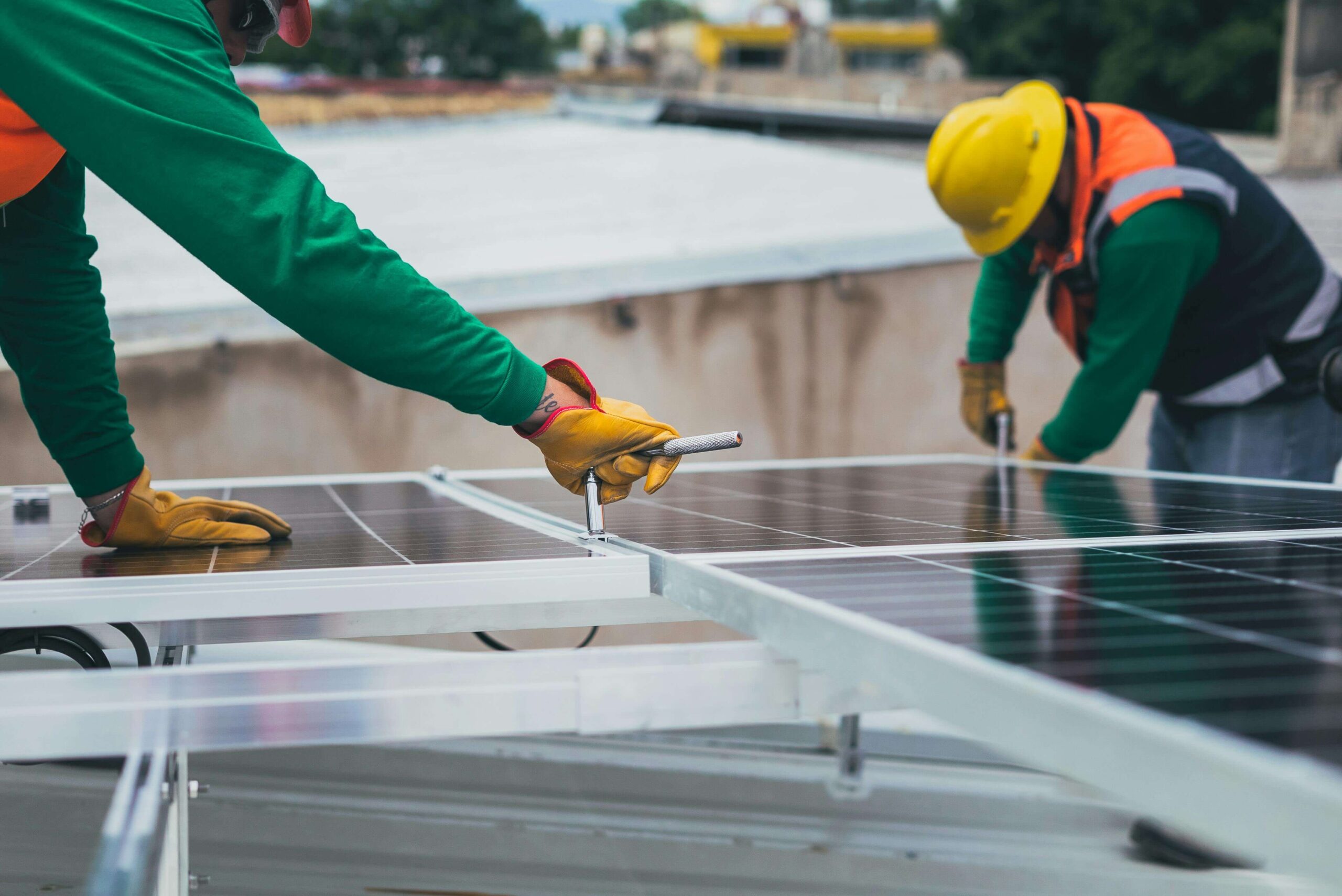
Understanding AI in Solar Panels
Artificial intelligence refers to computer systems that can analyze information, identify patterns, and support decision-making. In the solar energy industry, AI and machine learning models process information from solar panels, weather forecasts, sensors, batteries, and electricity networks.
These technologies help operators understand how solar systems perform and identify opportunities to improve their efficiency.
AI does not replace solar panels themselves. Instead, it works alongside monitoring equipment, inverters, energy management software, and other components to improve system performance.
How Solar Panels Generate Data
Solar energy systems produce valuable operational data that AI can analyze. Depending on the equipment available, this information may include:
- Solar power output
- Panel temperature
- Solar irradiance
- Voltage and current
- Inverter performance
- Battery charge levels
- Weather conditions
- Historical energy consumption
By analyzing these measurements, AI systems can identify unusual patterns, estimate future energy production, and help operators make informed decisions.
For example, a sudden drop in electricity output may indicate shading, equipment problems, or a possible system fault.
Why AI Matters for Solar Panels
Solar power generation changes throughout the day because of cloud cover, seasonal conditions, and variations in sunlight. These changes create challenges for energy planning and grid management.
AI can help address these challenges through:
- Solar energy forecasting
- Equipment monitoring
- Performance analysis
- Battery management
- Energy demand prediction
- Grid coordination
The U.S. Department of Energy has supported research into AI applications for solar forecasting, photovoltaic performance, and renewable energy integration.
When implemented appropriately, these technologies can help improve operational decisions and reduce avoidable energy losses.
Key Applications of AI in Solar Panels
AI-Powered Solar Energy Forecasting
One of the most important applications of AI in solar energy is predicting how much electricity a solar installation will generate.
Machine learning models can analyze historical production records, weather forecasts, cloud conditions, and solar irradiance data to estimate future power output.
Accurate forecasts can help utilities and solar operators:
- Plan electricity supply
- Manage changing energy demand
- Coordinate battery storage
- Reduce unexpected power imbalances
- Improve renewable energy integration
For example, the U.S. Department of Energy has supported research into machine learning models that forecast solar generation and electricity demand.
However, forecasting accuracy depends on the quality of the data, weather conditions, and the specific solar installation.
Predictive Maintenance and Fault Detection
Solar panels and related equipment can experience performance problems caused by dust, shading, physical damage, inverter faults, wiring issues, or component degradation.
AI-powered monitoring systems can analyze electrical measurements, thermal images, and other sensor data to identify unusual behavior.
Depending on the system, AI may help detect:
- Underperforming solar panels
- Abnormal temperature patterns
- Inverter problems
- Electrical faults
- Potential equipment failures
This approach is known as predictive maintenance.
Instead of relying only on fixed maintenance schedules, operators can use AI-generated insights to investigate potential problems earlier.
Research published in 2025 examined machine learning methods for photovoltaic fault diagnosis and predictive maintenance, including deep learning, computer vision, and sensor-based monitoring.
AI predictions should still be reviewed by qualified technicians before maintenance decisions are made.
Solar Panel Performance Optimization
AI can help solar operators understand why a system is producing less electricity than expected.
By analyzing historical performance and environmental conditions, AI models can identify inefficiencies and recommend operational improvements.
Potential applications include:
- Identifying shading-related losses
- Monitoring inverter efficiency
- Analyzing solar tracker performance
- Detecting abnormal energy output
- Improving maintenance planning
Some advanced solar systems also combine AI with optimization algorithms to improve energy conversion and operational efficiency.
However, AI alone cannot overcome physical limitations such as insufficient sunlight, poor panel placement, or unavoidable equipment losses.
Benefits and Challenges of AI for Solar Panels
Improved Efficiency and Energy Management
AI can help solar operators make better use of available sunlight by analyzing system performance and identifying opportunities to reduce energy losses.
For example, an intelligent energy management system may help coordinate solar generation, battery charging, and household electricity consumption.
These improvements can support more efficient use of available renewable energy.
However, actual efficiency gains depend on the equipment, software, climate, and quality of implementation.
Lower Maintenance Costs and Better Reliability
Traditional solar maintenance often involves scheduled inspections and manual performance checks.
AI-assisted monitoring can help identify unusual behavior between inspections, allowing operators to investigate potential problems earlier.
Potential benefits include:
- Faster identification of system faults
- Better maintenance scheduling
- Reduced unnecessary inspections
- Improved equipment monitoring
- More informed maintenance decisions
AI does not eliminate maintenance costs, and not every prediction will be accurate. Human expertise remains important for diagnosing and repairing equipment.
Challenges of Integrating AI With Solar Panels
Although AI offers valuable opportunities, implementing it in solar energy systems can present several challenges.
Initial investment: Advanced sensors, monitoring platforms, and AI software may increase installation costs.
Data quality: Incomplete or inaccurate data can reduce the reliability of AI predictions.
Cybersecurity: Internet-connected energy systems may face cybersecurity risks that require appropriate protection.
Technical complexity: Businesses may need skilled professionals to manage data, software, and system integration.
Compatibility: Different solar inverters, batteries, and monitoring platforms may not work seamlessly together.
A successful AI implementation requires appropriate technology, reliable data, and clear operational goals.
AI in Residential and Commercial Solar Energy
AI for Residential Solar Panel Systems
AI-powered energy management is becoming increasingly relevant to homeowners who use solar panels, batteries, and smart home devices.
Residential energy management systems can analyze household electricity consumption and solar generation to help users make better energy decisions.
Possible applications include:
- Scheduling appliances during periods of high solar generation
- Managing home battery charging
- Monitoring electricity consumption
- Coordinating solar energy with electric vehicle charging
- Identifying unusual energy usage
For example, a smart energy system may recommend charging an electric vehicle during periods when solar electricity is readily available.
The actual savings depend on electricity prices, local solar conditions, battery capacity, and the system’s capabilities.
AI in Utility-Scale Solar Farms
Large solar farms contain thousands of panels and extensive electrical equipment. Monitoring such installations manually can be time-consuming.
AI can support utility-scale operations by analyzing large amounts of data from sensors, inverters, weather stations, and inspection systems.
Potential applications include:
- Identifying underperforming equipment
- Monitoring power generation
- Detecting faults
- Supporting maintenance planning
- Forecasting energy production
- Analyzing inspection images
AI-assisted monitoring can help operators prioritize equipment that requires further investigation.
The U.S. Department of Energy has supported research into AI-based photovoltaic plant monitoring, fault detection, and predictive maintenance.
AI, Batteries, and Smart Energy Grids
Solar generation fluctuates throughout the day, making energy storage and grid coordination important components of modern renewable energy systems.
AI-powered energy management platforms can analyze solar production, electricity demand, and battery conditions to support charging and discharging decisions.
In suitable applications, these systems may help:
- Improve battery scheduling
- Forecast electricity demand
- Coordinate renewable energy resources
- Reduce unnecessary energy consumption
- Support grid planning
AI can also contribute to smart-grid monitoring and energy forecasting.
However, grid operators must consider safety requirements, cybersecurity, system compatibility, and regulatory standards when implementing intelligent energy technologies.
The Future of AI and Solar Panel Technology
AI-Driven Solar System Design
AI may help engineers design solar energy systems that better match local environmental and operational conditions.
Design software can analyze factors such as:
- Geographic location
- Roof orientation
- Solar irradiance
- Shading patterns
- Energy demand
- Available installation space
These insights can support decisions about panel placement, system sizing, and energy storage.
AI-assisted design can improve the planning process, but engineers must still evaluate structural requirements, electrical safety, local regulations, and installation costs.
Digital Twins and Intelligent Solar Monitoring
A digital twin is a virtual representation of a physical system that can be updated using real-world data.
In solar energy, digital twins may help operators simulate equipment behavior, monitor performance, and investigate potential problems.
When combined with AI, digital twins can support:
- Solar system performance analysis
- Equipment health monitoring
- Maintenance planning
- Operational simulations
- Long-term performance evaluation
Research into AI-based photovoltaic maintenance has highlighted digital twins and advanced monitoring as potential tools for improving solar system reliability.
The effectiveness of these systems depends on the quality of their underlying data and models.
AI, Smart Cities, and Sustainable Energy
As smart buildings, electric vehicles, and renewable energy systems become more connected, AI may play a greater role in coordinating energy resources.
Future applications could include:
- Intelligent building energy management
- Solar-powered electric vehicle charging
- Advanced battery coordination
- Renewable energy forecasting
- Automated energy optimization
AI may also support more connected energy networks through the integration of solar panels, Internet of Things (IoT) devices, and energy management software.
However, widespread adoption will depend on affordability, interoperability, cybersecurity, and the development of reliable energy infrastructure.
Conclusion
Artificial intelligence is changing how solar energy systems are monitored, managed, and optimized.
From solar energy forecasting and predictive maintenance to battery management and smart-grid coordination, AI can help solar operators make more informed decisions and improve system performance.
For homeowners, AI-powered energy management may support better electricity usage and battery scheduling. For commercial and utility-scale solar operators, intelligent monitoring can help identify faults and improve maintenance planning.
Nevertheless, AI is not a replacement for quality solar equipment, professional installation, or regular maintenance. Its effectiveness depends on reliable data, suitable technology, and responsible implementation.
As solar energy adoption continues to grow, AI has the potential to become an important part of smarter and more flexible renewable energy systems.
The future of solar power will depend not only on generating clean energy but also on managing it intelligently.