

Artificial Neural Network for Energy Loss Estimation: In modern power systems, energy efficiency is not just a technical requirement—it is an economic and environmental necessity. One of the major challenges faced by electrical utilities worldwide is energy loss in distribution networks. These losses, often referred to as technical losses, occur during the transmission and distribution of electricity from power plants to end users.
Traditional methods for estimating energy loss rely on mathematical models and simplified assumptions. While useful, these approaches often fail to capture the complexity of real-world systems. This is where Artificial Neural Networks (ANNs) offer a powerful alternative. Inspired by the human brain, ANNs can learn from data, recognize patterns, and make accurate predictions even in highly nonlinear systems.
This article explores how ANN-based methods are transforming the estimation of energy loss in distribution networks, making power systems more efficient, reliable, and intelligent.
Understanding Energy Loss in Distribution Networks

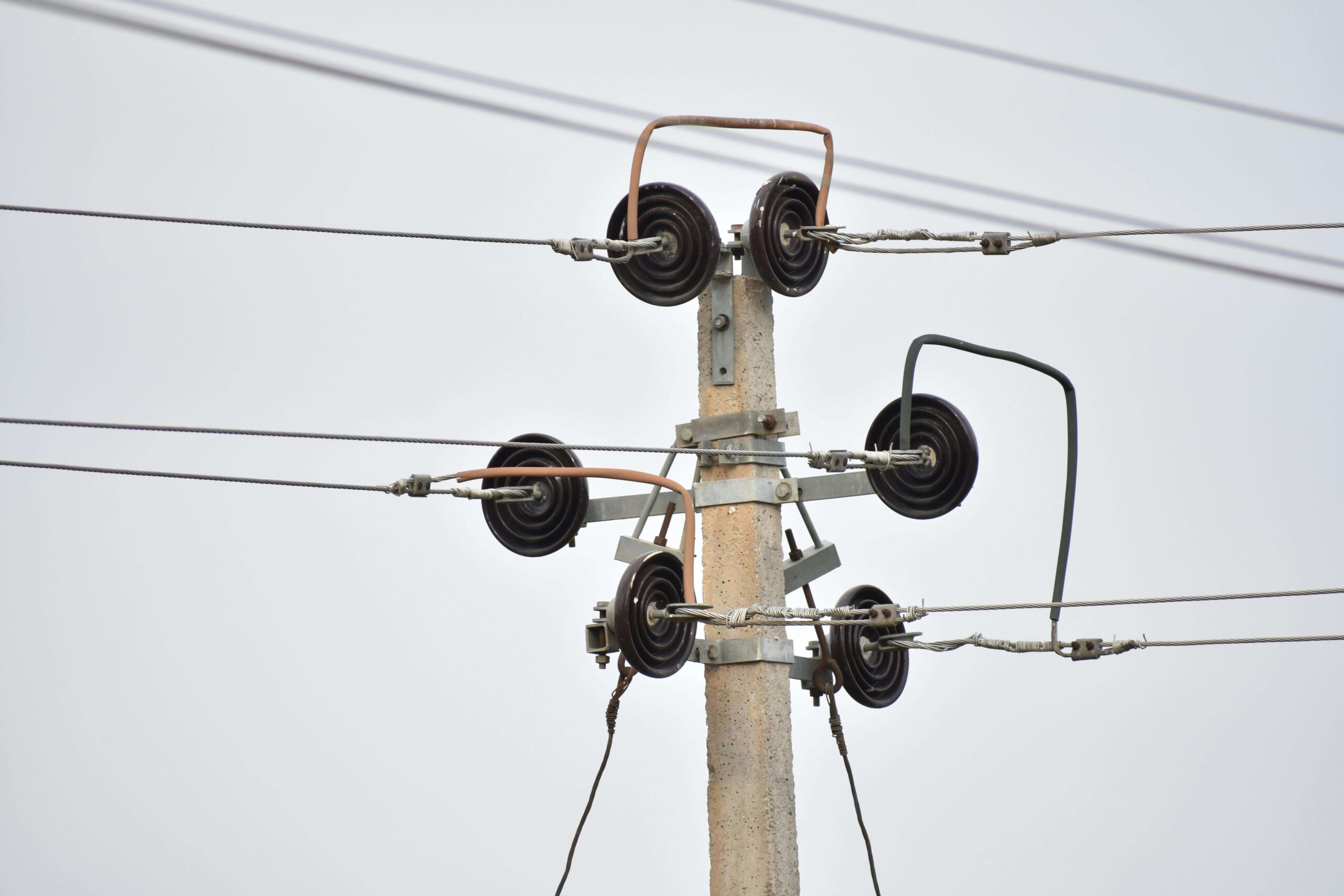
Electricity distribution networks consist of transformers, feeders, transmission lines, and various interconnected components. As electricity flows through these elements, some of it is inevitably lost due to resistance, leakage, and inefficiencies.
Energy losses are broadly categorized into:
- Technical losses: Caused by physical properties such as conductor resistance, transformer losses, and load variations.
- Non-technical losses: Resulting from theft, meter inaccuracies, or billing errors.
In this context, ANN methods primarily focus on estimating technical losses, which are influenced by multiple dynamic factors such as load demand, network configuration, and environmental conditions.
Limitations of Traditional Estimation Methods
Conventional techniques for estimating energy loss include load flow analysis and empirical formulas. While these methods have been widely used, they come with several limitations:
- Simplified assumptions that may not reflect real conditions
- Difficulty in handling nonlinear relationships
- High computational complexity for large-scale networks
- Limited adaptability to changing system conditions
As power systems become more complex and demand fluctuates rapidly, these limitations become more pronounced. Accurate and real-time estimation requires a more flexible and intelligent approach.
What is an Artificial Neural Network (ANN)?
An Artificial Neural Network is a computational model inspired by the structure and function of the human brain. It consists of interconnected nodes (neurons) organized in layers:
- Input layer: Receives data such as voltage, current, load demand, and network parameters
- Hidden layers: Process the data through weighted connections and activation functions
- Output layer: Produces the final prediction, such as estimated energy loss
ANNs are particularly effective in modeling complex, nonlinear relationships. They learn from historical data and improve their accuracy over time through a process called training.
ANN-Based Approach for Energy Loss Estimation
The application of ANN in distribution networks involves several key steps:
1. Data Collection
Accurate prediction begins with high-quality data. This includes:
- Load profiles
- Voltage levels
- Current measurements
- Transformer ratings
- Environmental factors such as temperature
The more comprehensive the dataset, the better the ANN can learn underlying patterns.
2. Data Preprocessing
Raw data is often noisy or incomplete. Preprocessing involves:
- Cleaning missing or inconsistent values
- Normalizing data for better training performance
- Dividing data into training, validation, and testing sets
This step ensures that the model learns effectively and produces reliable results.
3. Training the Neural Network
During training, the ANN adjusts its internal weights to minimize prediction error. This is typically done using algorithms like backpropagation.
The network learns how different inputs—such as load variations or voltage fluctuations—affect energy loss. Over time, it becomes capable of making accurate predictions even for unseen data.
4. Model Validation and Testing
After training, the model is tested using new data to evaluate its performance. Metrics such as mean squared error (MSE) and accuracy are used to measure effectiveness.
A well-trained ANN model can achieve high accuracy in predicting energy losses across different operating conditions.
5. Deployment and Real-Time Estimation
Once validated, the ANN model can be integrated into power system management software. It can provide real-time estimates of energy loss, enabling operators to make informed decisions.
Advantages of Using ANN
The adoption of ANN methods offers several significant benefits:
1. High Accuracy
ANNs can model complex nonlinear relationships, resulting in more precise predictions compared to traditional methods.
2. Adaptability
As new data becomes available, the model can be retrained to adapt to changing network conditions.
3. Reduced Computational Complexity
Once trained, ANN models can produce results quickly, making them suitable for real-time applications.
4. Fault Detection and Optimization
In addition to estimating losses, ANNs can help identify abnormal patterns, enabling early detection of faults or inefficiencies in the network.
Practical Applications
ANN-based energy loss estimation is being applied in various real-world scenarios:
- Smart grids: Enhancing efficiency and reliability
- Utility companies: Improving billing accuracy and reducing losses
- Renewable energy integration: Managing variable power sources such as solar and wind
- Energy audits: Providing detailed insights into system performance
These applications highlight the versatility and importance of ANN in modern power systems.
Challenges and Limitations
Despite its advantages, the ANN approach also faces certain challenges:
1. Data Dependency
The accuracy of the model heavily depends on the quality and quantity of data. Poor data can lead to inaccurate predictions.
2. Training Complexity
Training neural networks requires expertise and computational resources, especially for large datasets.
3. Black Box Nature
ANN models often lack transparency, making it difficult to interpret how decisions are made. This can be a concern in critical applications.
4. Overfitting
If not properly managed, the model may perform well on training data but poorly on new data. Techniques like regularization and cross-validation are used to address this issue.
Future Prospects
The future of ANN in energy systems looks promising. With advancements in artificial intelligence and machine learning, neural networks are becoming more powerful and efficient.
Integration with technologies such as:
- Internet of Things (IoT)
- Big data analytics
- Cloud computing
will further enhance the capabilities of ANN-based models. These innovations will enable smarter, more resilient power systems capable of meeting growing energy demands.
Conclusion
Estimating energy loss in distribution networks is a critical task for improving efficiency and sustainability in power systems. Traditional methods, while useful, often fall short in handling the complexity of modern networks.
Artificial Neural Networks provide a robust and intelligent solution. By leveraging data and advanced algorithms, ANNs can deliver accurate, real-time predictions of energy loss. This not only helps reduce operational costs but also contributes to a more sustainable energy future.
As technology continues to evolve, the role of ANN in power system management will only grow, paving the way for smarter and more efficient energy distribution networks.