

Education has always evolved alongside technology. From traditional blackboards to interactive whiteboards and digital learning platforms, classrooms continue to adapt to new innovations. Today, the digital transformation in education is being driven by AI-powered smart classrooms
Artificial intelligence is changing how students learn, how teachers deliver lessons, and how educational institutions manage learning environments. By combining AI algorithms, data analytics, automation, and digital tools, smart classrooms create personalized, engaging, and efficient educational experiences.
Unlike traditional classrooms that follow a standardized teaching approach, AI-powered learning environments analyze student behavior, identify knowledge gaps, and provide customized learning support.
Understanding AI-Powered Smart Classrooms and Their Role in Education
As educational technology continues to advance, smart classrooms are transitioning from a futuristic concept into a daily reality. Integrating artificial intelligence into learning environments goes beyond replacing traditional tools; it fundamentally reshapes how educators teach, how students absorb information, and how modern schools operate.
What Is an AI-Powered Smart Classroom?
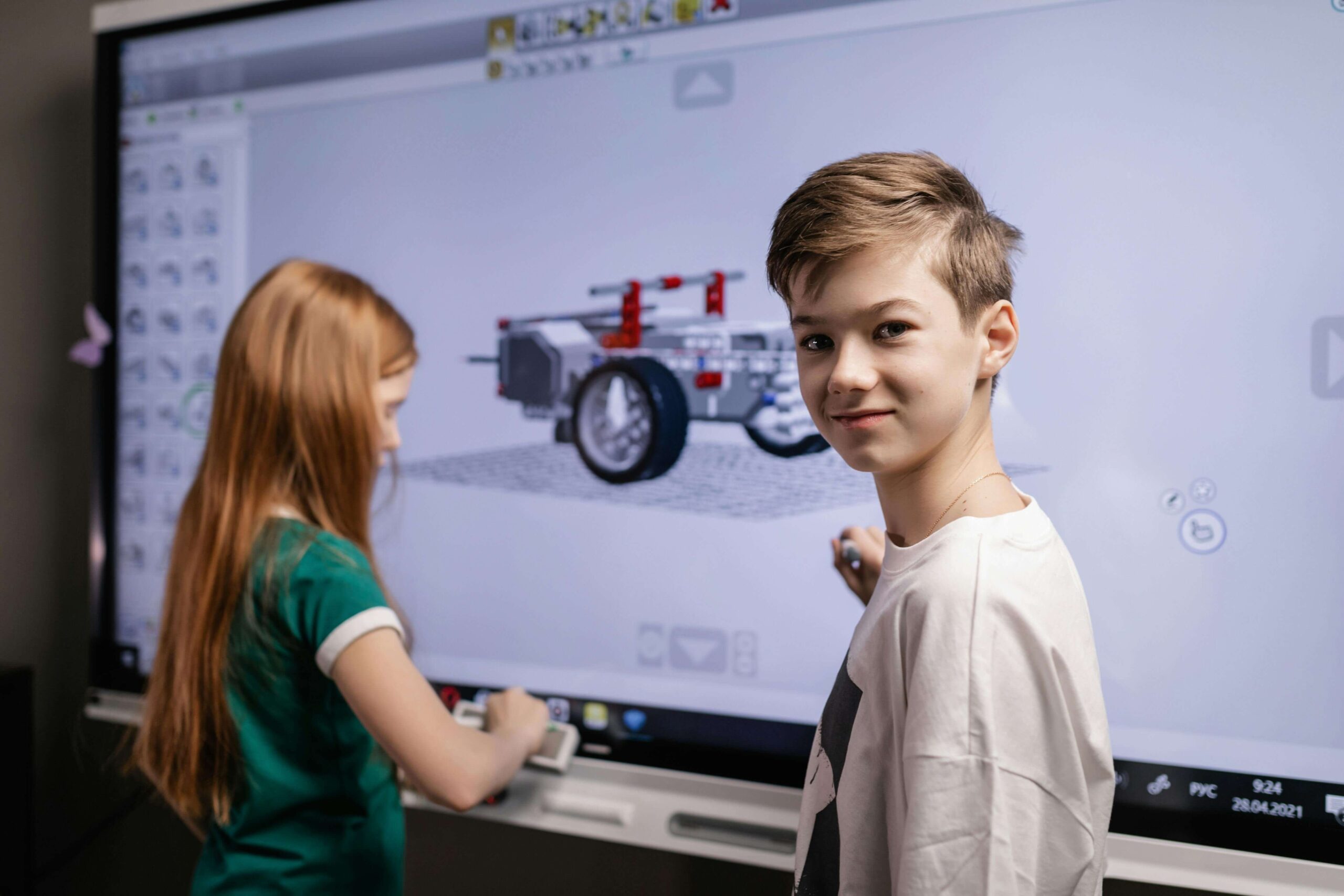
An AI-powered smart classroom is a technology-driven learning environment where artificial intelligence supports teaching, assessment, classroom management, and student engagement.
These classrooms integrate technologies such as:
- AI learning platforms
- Smart boards
- Digital attendance systems
- Virtual tutors
- Learning management systems
- Student performance analytics
AI systems analyze learning patterns and help educators create more effective teaching strategies.
How AI-Powered Systems Improve Modern Learning
Traditional education often follows a fixed curriculum and teaching pace. However, students have different learning abilities, strengths, and challenges.
AI-powered education systems use machine learning algorithms to understand individual learning patterns and provide:
- Personalized recommendations
- Additional learning resources
- Real-time feedback
- Adaptive learning pathways
This allows students to learn at their own pace while helping teachers address individual needs.
Why Schools Are Adopting AI-Powered Smart Classroom Technology
Educational institutions across the United States are embracing the digital transformation in education through smart classroom technology because it improves..
- Student engagement
- Learning outcomes
- Teacher productivity
- Administrative efficiency
AI helps schools move from a one-size-fits-all education model toward a more flexible and student-centered approach.
Key Benefits of AI-Powered Learning Systems
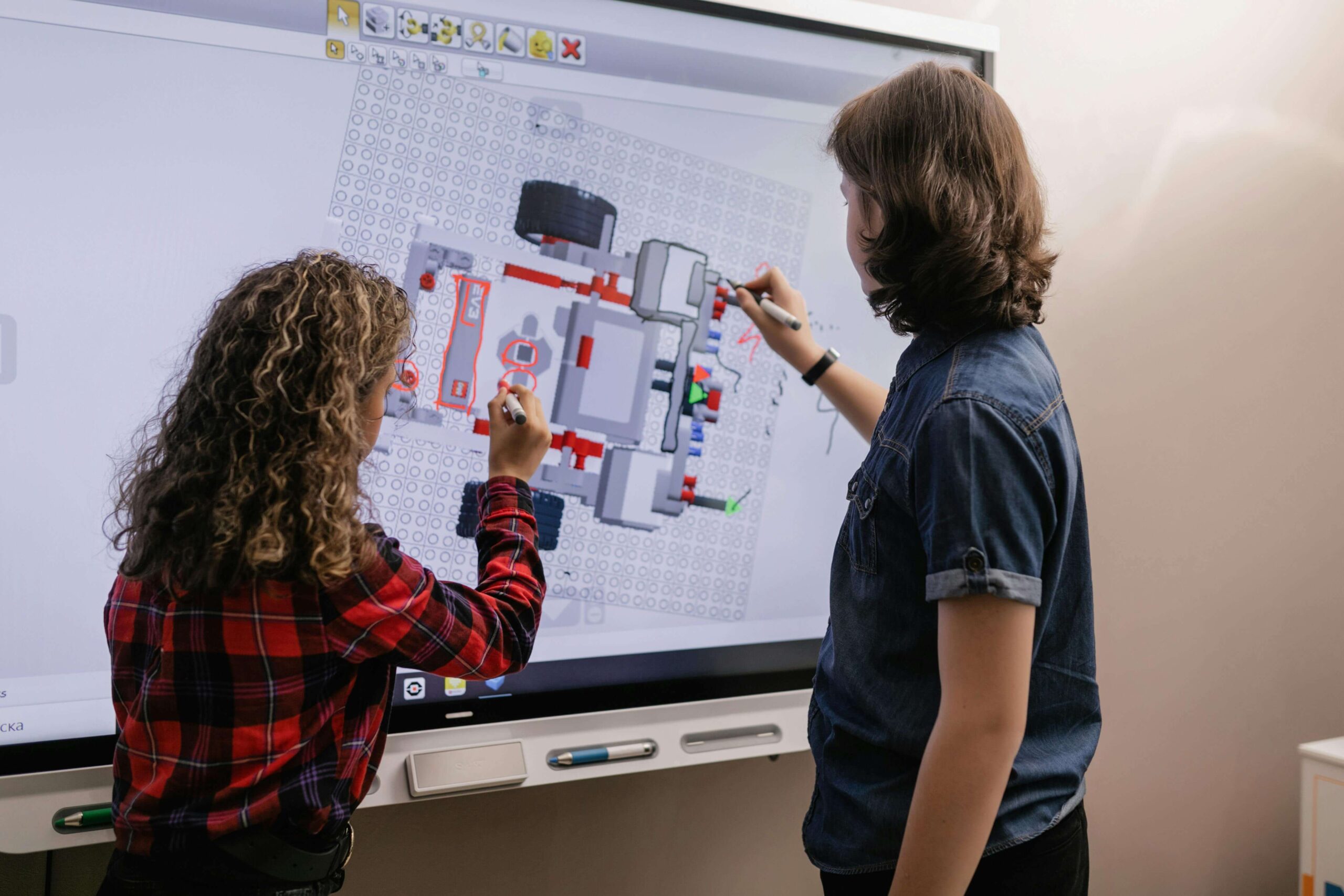
Integrating artificial intelligence into education offers far more than novelty—it brings practical, measurable advantages to both educators and students. By automating administrative tasks, personalizing instruction, and tailoring the learning experience, AI-powered systems unlock new levels of academic achievement and classroom efficiency.
Personalized Learning With Artificial Intelligence
One of the biggest advantages of AI-powered classrooms is personalized education.
AI systems analyze student performance, identify weaknesses, and recommend customized learning materials. For example, a student struggling with mathematics may receive additional exercises, explanations, and interactive lessons.
Advanced learners can also move ahead faster without waiting for the entire class.
This adaptive learning approach improves confidence and helps students achieve better academic results.
AI-Powered Tutoring Systems and Virtual Learning Assistants
AI tutoring systems and AI learning assistants provide students with instant academic support outside traditional classroom hours.
These virtual assistants can:
- Answer student questions
- Explain difficult concepts
- Provide practice exercises
- Track learning progress
Unlike basic homework tools, AI tutors continuously analyze student performance and adjust their teaching methods.
They support teachers by extending learning opportunities beyond classroom time.
AI-Powered Assessment and Automated Grading Tools
AI-powered assessment tools help teachers reduce time spent on repetitive grading tasks.
Modern AI systems can evaluate:
- Multiple-choice assessments
- Online quizzes
- Written assignments
- Student participation
Advanced tools can analyze writing quality, grammar, and structure while providing instant feedback.
This allows educators to focus more on creativity, critical thinking, and student development.
How AI-Powered Classrooms Enhance Student Engagement
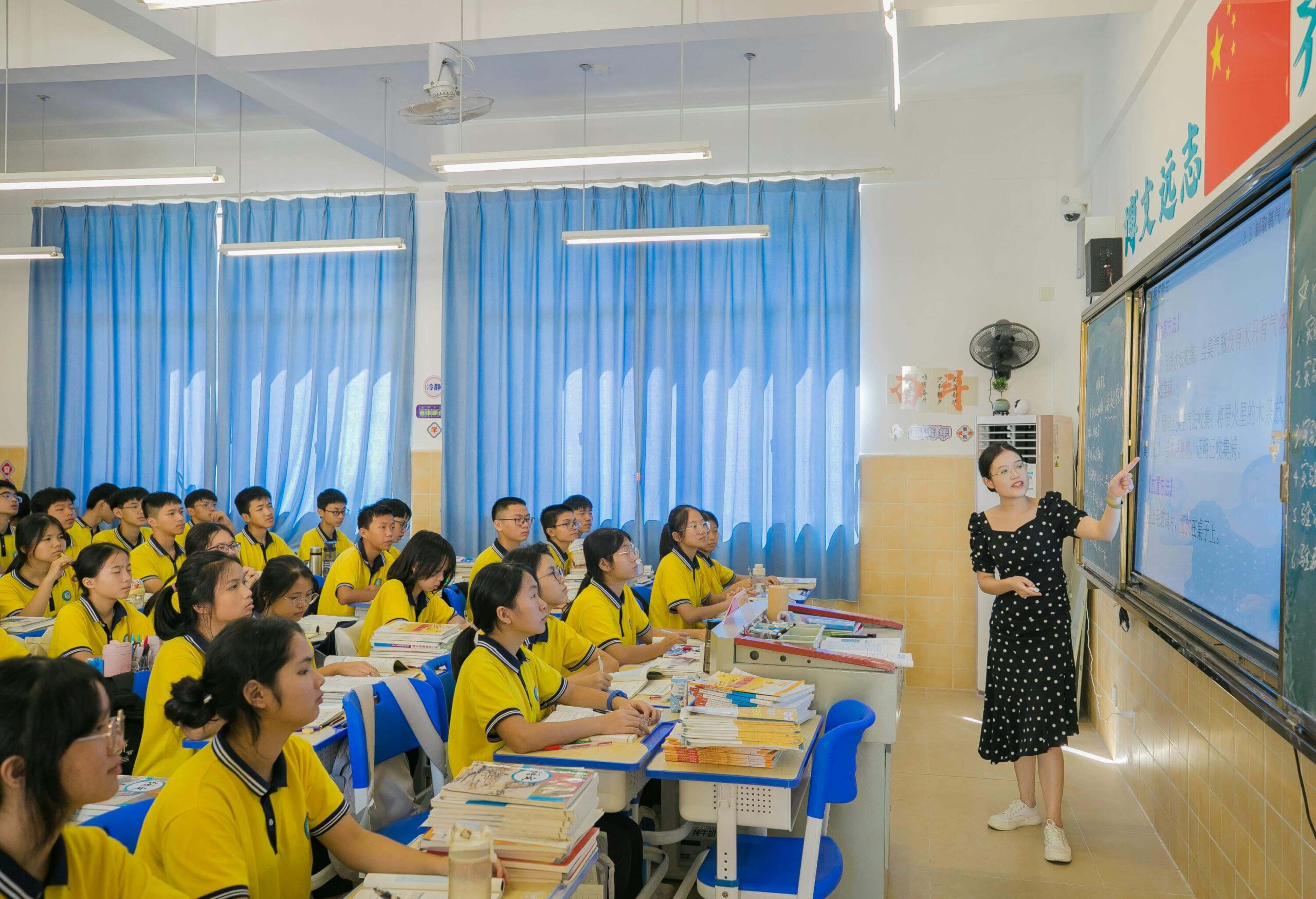
Beyond individual instruction, artificial intelligence plays a pivotal role in shaping daily classroom dynamics and administrative workflows. By analyzing real-time participation, streamlining routine management, and offering interactive tools, AI enables educators to deploy interactive AI learning assistants and foster an active learning environment while maintaining seamless control over classroom operations
Interactive Learning in AI-Powered Smart Classrooms
AI-powered classrooms make education more immersive through technologies such as:
- Virtual reality (VR)
- Augmented reality (AR)
- Gamified learning platforms
Students can explore historical locations through virtual tours, conduct science experiments digitally, or interact with complex concepts through simulations.
These experiences improve engagement and knowledge retention.
Data Analytics for Smarter Teaching Decisions
AI classroom systems collect valuable learning data, including:
- Attendance patterns
- Assignment performance
- Quiz results
- Student participation
Teachers can use these insights to identify struggling students and improve lesson planning.
As part of the ongoing digital transformation in education, data-driven teaching enables educators to make informed decisions based on real student performance
AI-Powered Classroom Management Solutions
AI also simplifies administrative tasks through automation.
Smart classroom solutions can assist with:
- Digital attendance tracking
- Lesson scheduling
- Resource organization
- Student engagement monitoring
By reducing administrative workload, teachers gain more time for mentoring and meaningful interaction.
Challenges and Future of AI-Powered Education
While artificial intelligence brings transformative potential to modern learning, its integration is not without hurdles. Addressing key concerns—such as data privacy, technological equity, and proper teacher preparation—is essential to ensuring AI serves as a fair and effective partner in shaping the future of education.
Privacy and Security Concerns in AI-Powered Classrooms
AI systems collect large amounts of student information. Protecting this data is one of the biggest challenges facing educational institutions.
Schools must implement:
- Strong cybersecurity practices
- Data protection policies
- Responsible AI guidelines
Ensuring privacy will be essential for building trust in AI-powered education.
Digital Divide and Technology Accessibility
Although AI offers significant educational benefits, access remains unequal.
Some students may face challenges due to:
- Limited internet availability
- Lack of digital devices
- Technology costs
Addressing the digital divide is necessary to ensure AI education benefits all learners.
The Future Role of Teachers in AI-Powered Classrooms
AI will not replace teachers. Instead, it will transform their role.
Future educators will become:
- Learning facilitators
- Mentors
- Technology-guided instructors
AI provides data and automation, while teachers provide creativity, emotional intelligence, and human connection.
The future of education will combine human expertise with artificial intelligence.
Conclusion
AI-powered smart classrooms are transforming the way students learn and teachers teach. By combining artificial intelligence, automation, and data analytics, these classrooms create personalized, interactive, and efficient learning environments.
From AI learning assistants and automated assessments to smart classroom management and predictive learning insights, artificial intelligence is helping education become more adaptive and accessible.
However, successful AI adoption requires responsible implementation, strong privacy protections, teacher training, and equal access to technology.
As AI continues to advance, it will remain a cornerstone of the digital transformation in education, making smart classrooms an essential part of modern learning.