

Future of Artificial Intelligence (AI) is no longer a distant dream or a concept limited to science fiction.It has already become a part of our daily lives__from voice assistants and recommendation systems to medical diagnostics and smart devices.But while the present capabilities of AI are impressive,the next ten years promise even greater transformation.The future ai expert is expected to reshape industries,redefine work,and change how humans interact with technology.As we look ahead,the question is not whether AI will grow__it is how deeply influence our world.
AI Becoming More Human-Like in Interaction
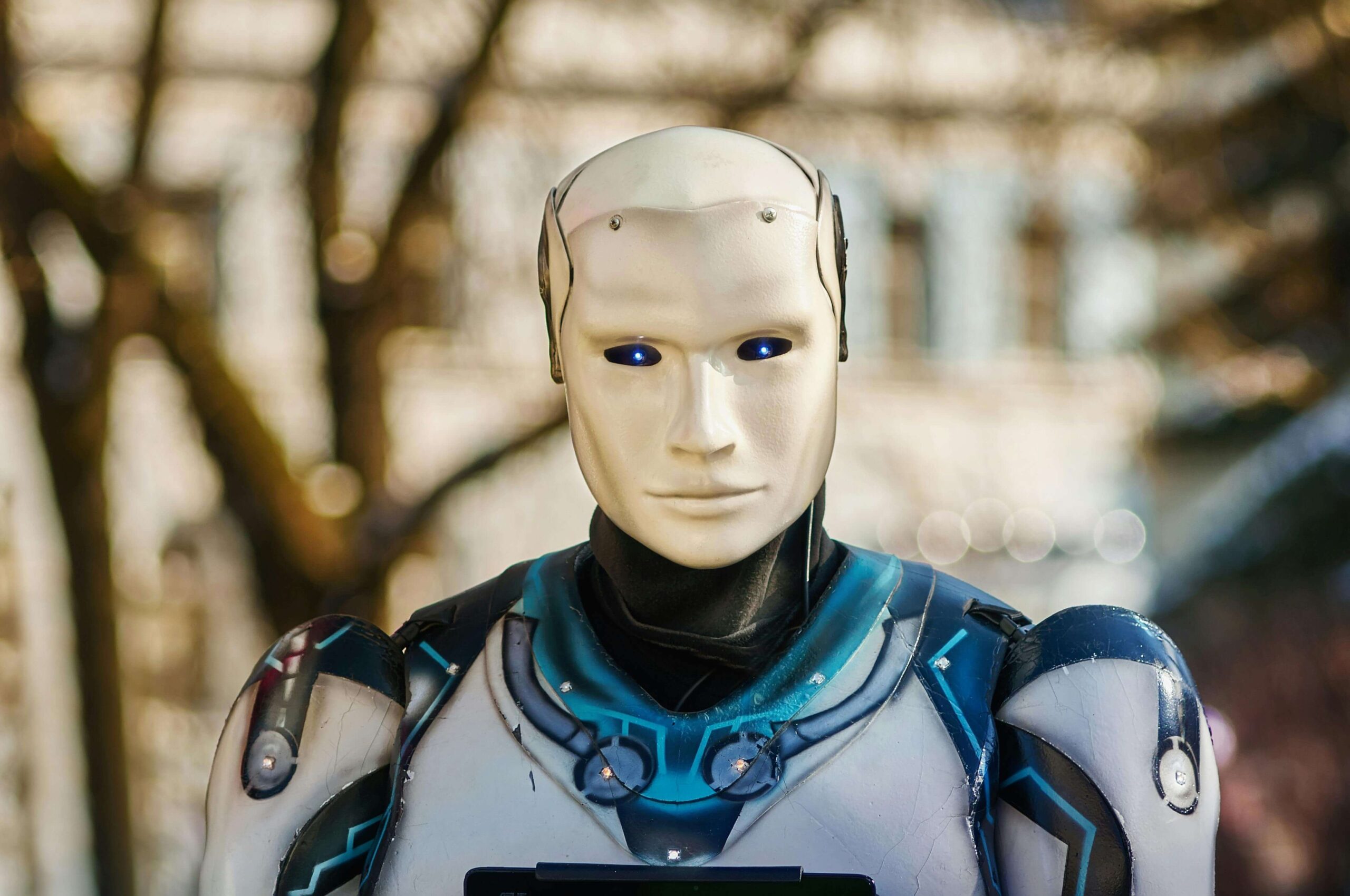
One of the most noticeable developments in the next decade will be AI systems that communicate more naturally.Today’s AI can already understand text and speech quite well,but Future of Artificial Intelligence systems will likely become even more conversational,emotionally aware,and context-sensitive.AI assistants may understand tone,mood,and even subtle emotional cues.Instead of simply answering questions,they could engage in deeper discussions,offer personalized smoother and more intuitive.For example,customer service chat bots may become nearly indistinguishable from human agents.Virtual assistants could help users plan their schedules,manage finances,and even provide mental wellness support with greater empathy and understanding.
Future of Artificial Intelligence | Transformation of the Workplace
The Future of Artificial Intelligence will significantly reshape the global workforce.Automation has already replaced some repetitive tasks,but in the next ten years,AI is expected to handle more complex responsibilities.In offices,AI tools may manage scheduling,data analysis,report generation,and decision-making support.In industries such as manufacturing and logistics,robots powered by advanced AI could improve efficiency and safety.However,this does not necessarily mean that AI will humans entirely.Instead,many experts believe that AI will work alongside people.Human will focus more on creativity,strategy,leadership.and emotional intelligence, while AI handles routine and data-driven tasks New job roles will likely emerge,including AI ethics specialists,machine learning trainers,AI auditors,and data strategists.Education systems may also adapt to prepare students for AI-supported workplaces
AI in Healthcare: A Major Breakthrough
Healthcare is one of the fields that may benefit most AI advancements in the coming decade.Future of Artificial Intelligence systems are already assisting doctors in detecting diseases through image analysis and predictive algorithms.In the future,these systems may become even more accurate and widely accessible.AI could enable earlier detection of conditions such as cancer,heart disease, and neurological disorders. Personalized treatment plans based on a patient’s genetics information and lifestyle data may become common practice.Wearable devices powered by future of artificial intelligence might continuously monitor health metrics and alert individuals to potential risks before symptoms appear.This shift from reactive treatment to preventive care could significantly improve global health outcomes.Additionally,AI-driven drug discovery may accelerate the development of new medicines,reducing research time from years to months
Smarter Cities and Infrastructure

Over the next ten years,AI is expected to play a key role in building smarter cities.Urban areas face challenges such as traffic congestion,pollution,and energy management.AI-powered systems can analyze vast amounts of data to improve city planning and resource distribution.Traffic lights may adjust in real time based on traffic flow.Public transportation systems could optimize routes automatically.Energy grids might predict usage patterns and reduce waste.Smart homes will also become more advanced .AI may manage lighting,heating,security,and appliances more efficiently,adapting to personal preferences while conserving energy.These improvements could lead to safer,cleaner,and more sustainable cities.
Education Powered by Personalized AI
Education in the next decade is likely to become more personalized due to AI integration.Instead of one-size-fits-all teaching methods,Future of Artificial Intelligence systems could analyze individual learning patterns and adapt lessons accordingly.Students may have access to AI tutors that explain difficult topics in multiple ways until understanding is achieved.Real-time feedback could help learners improve faster.Language translation tools may remove barriers for international students Teachers,rather than being replaced,may benefit from AI tools that assist with grading,lesson planning,and identifying students
Advancements in Robotics
Robotics combined with ai in fintech will likely advance rapidly in the coming years.AI-powered robots may become more adaptable and capable of performing delicate tasks. In healthcare,robots could assist in surgeries with extreme precision.In agriculture,AI-driven machines might monitor crops and harvest efficiently.In disaster response situations,intelligent robots may enter dangerous environments where human safety is at risk.
Ethical and Regulatory Developments
With rapid growth comes responsibility.The future of AI will not only focus on innovation but also on ethical guidelines and regulation.Governments around the world are already discussing how to regulate AI systems to ensure fairness,transparency,and accountability.Over the next year strong policies may be introduced to prevent misuse. Concerns such as data privacy,surveillance,bias in algorithms,and misinformation will likely receive greater attention.Developers may be required to make AI systems more explainable so users understand how decisions are made.
AI and Creativity
One of the most fascinating areas Future of Artificial Intelligence is creativity. future of artificial intelligence systems are already capable of generating art,music,and written content.In the next decade,Creative AI tools may become even more advanced. Artists,writers,designers,and filmmakers may collaborate with AI systems to explore new creative possibilities.Instead of replacing human creativity,AI could act as a powerful creative partner,generating ideas and enhancing productivity.
Environmental Impact and Climate Solutions

AI may also play a crucial role in addressing climate change and environmental challenges.By analyzing climate data, AI systems can predict weather patterns, monitor deforestation, and optimize renewable energy systems. Smart agriculture powered by AI may reduce water waste and increase crop yields. Energy management systems could lower carbon emissions by improving efficiency.Over the next ten years, AI-driven environmental solutions may become essential tools in the fight against global warming.
The Possibility of General Artificial Intelligence
Currently, most AI systems are examples of “narrow AI,” meaning they perform specific tasks. However, researchers continue to explore the idea of General Artificial Intelligence (AGI) — systems capable of understanding and learning any intellectual task that a human can perform. While AGI may not fully emerge within the next decade, significant progress could be made toward more flexible and adaptable AI systems. This possibility raises important philosophical and practical questions about the role of AI in society. Careful planning and responsible innovation will be essential to ensure that advanced AI systems benefit humanity.
Future of Artificial Intelligence | Challenges Ahead Despite the optimism
- surrounding AI’s future, challenges remain.
- Job displacement may continue in certain industries.
- Cyber security risks could increase as AI tools become more powerful.
- Over reliance on automation may reduce human skills in some areas.
- Ethical dilemmas may arise regarding autonomous systems making critical decisions.
Conclusion: A Decade of Transformation
The future of ai simulation in the next ten years promises profound transformation across nearly every aspect of society. From healthcare and education to business, cities, and environmental protection, AI will likely become even more integrated into daily life. Rather than replacing humans, AI is expected to enhance human capabilities — handling repetitive tasks, analyzing complex data, and providing insights that support better decision-making. However, with great power comes great responsibility. Ethical development, transparency, and thoughtful regulation will shape how successfully AI benefits humanity. ai fashion is evolving rapidly, and the coming years will determine how we choose to guide its growth. The future is not just about machines becoming more intelligent — it is about how humans and intelligent systems work together to build a better world.