

Visual Generative : In the modern digital world, visual content plays a crucial role in how businesses communicate with their customers. Images, graphics, and videos are often more powerful than written text when it comes to capturing attention and delivering messages quickly. With the rise of artificial intelligence, a new technology called visual generative AI is transforming the way companies create and use visual content.
Visual generative AI refers to artificial intelligence systems capable of producing original images, graphics, and designs based on user instructions. Instead of relying solely on human designers, businesses can now generate creative visuals within seconds using AI tools. These visuals can be used in advertisements, social media posts, websites, and marketing campaigns.
Today, companies around the world are using visual AI technologies such as DALL·E, Midjourney, and Adobe Firefly to create compelling images that attract customers and strengthen brand identity.
As businesses compete in highly crowded digital markets, visual generative AI in marketing is becoming an essential tool for engaging customers and improving brand communication.
Understanding Visual Generative AI
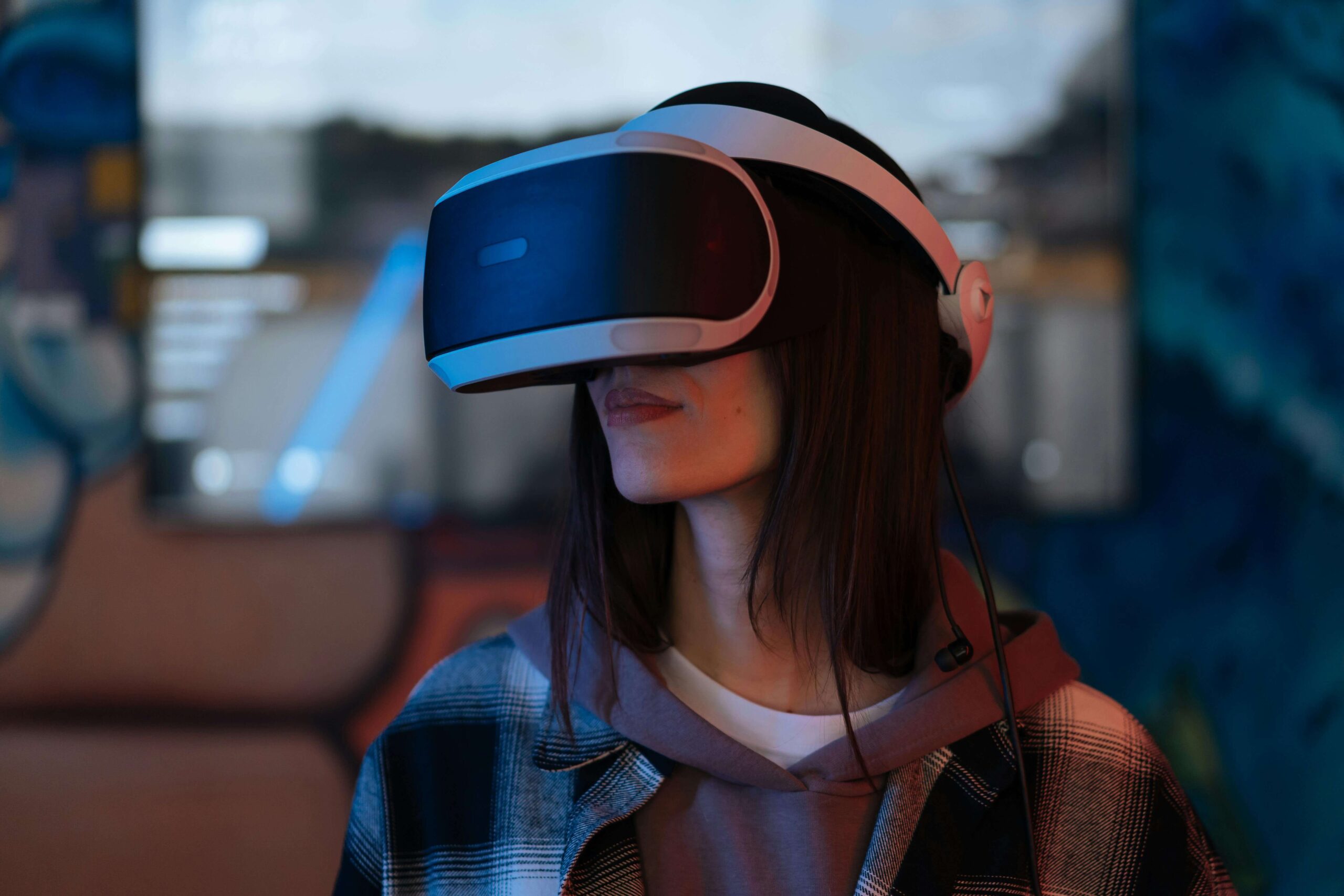
Visual generative AI is a branch of artificial intelligence that uses machine learning algorithms to create new visual content. These AI systems are trained on massive datasets containing millions of images, designs, and artistic styles.
When a user provides a prompt or description, the AI analyzes the input and generates a completely new image based on learned patterns.
For example, a marketer could request:
“Create a modern advertisement image for a sustainable clothing brand with bright colors and eco-friendly themes.”
Within seconds, the AI system can produce multiple unique visual concepts that match the description.
This ability to quickly generate creative visuals makes generative AI a valuable tool for marketing and customer engagement.
The Importance of Visual Content in Marketing
Visual content has always been a powerful marketing tool. Research consistently shows that people process images faster than text and are more likely to remember visual information.
In the age of social media, platforms such as Instagram, Pinterest, and TikTok emphasize visual storytelling as the primary way brands communicate with audiences.
Businesses use images to:
-
Capture attention quickly
-
Tell compelling brand stories
-
Showcase products and services
-
Build emotional connections with customers
-
Increase engagement on social media
However, producing high-quality visual content traditionally requires time, creativity, and professional design skills.
Visual generative AI simplifies this process by enabling businesses to create visuals faster and at lower cost.
Personalized Marketing with AI-Generated Images
One of the most exciting applications of visual generative AI is personalized marketing.
Traditional marketing campaigns often use the same images for large audiences. However, customers today expect personalized experiences that reflect their preferences and interests.
AI-powered design tools can generate customized images tailored to specific customer groups.
For example, an online clothing brand might create different visuals for various audiences:
-
Winter-themed fashion ads for colder regions
-
Summer-themed visuals for tropical markets
-
Different color styles based on customer preferences
By generating personalized images, brands can make their marketing messages more relevant and engaging.
Enhancing Social Media Engagement
Social media platforms rely heavily on visual content to capture user attention. In crowded digital feeds, eye-catching visuals are essential for standing out.
Visual generative AI allows marketers to experiment with creative ideas and produce a large number of unique images for social media campaigns.
For example, businesses can generate:
-
Promotional banners
-
Product showcase images
-
Creative illustrations
-
Story visuals and thumbnails
Because AI tools can generate images quickly, marketing teams can test multiple visual styles and determine which designs attract the most engagement.
This data-driven approach improves marketing effectiveness and helps brands connect more strongly with audiences.
Accelerating Creative Design Processes
Designing visual marketing materials traditionally involves several steps, including brainstorming ideas, creating drafts, and refining final designs.
Generative AI tools significantly accelerate this process.
Instead of starting from scratch, designers can use AI-generated visuals as inspiration or starting points for their creative work.
For example, a graphic designer might generate several design concepts using AI and then refine the best ideas manually.
This collaboration between human creativity and AI technology helps businesses produce high-quality visual content more efficiently.
Rather than replacing designers, AI tools often act as creative assistants that enhance the design workflow.
Product Visualization and E-Commerce
Visual generative AI is also transforming the e-commerce industry.
Online shoppers rely heavily on product images to evaluate items before making purchasing decisions. High-quality visuals help customers understand product features and imagine how products will look in real life.
AI-generated images can be used to create realistic product visualizations in different environments or styles.
For example, a furniture company could generate images showing a sofa in multiple room settings, while a fashion brand might display clothing in different colors and combinations.
These visual variations help customers visualize products more clearly and increase their confidence in purchasing decisions.
Improving Brand Storytelling
Successful brands often rely on storytelling to build emotional connections with customers.
Visual generative AI enables brands to create unique artistic styles and imaginative visuals that strengthen brand narratives.
For example, travel companies might generate dreamlike destination imagery, while technology companies may use futuristic visuals to highlight innovation.
By experimenting with creative visual concepts, brands can build stronger identities and communicate their values more effectively.
AI-generated visuals can also help brands maintain consistency in design style across multiple marketing channels.
Challenges and Ethical Considerations
Despite its many advantages, the use of visual generative AI also raises important challenges.
Copyright and Ownership
AI-generated images are often created using models trained on large datasets that may include copyrighted materials. Questions about intellectual property rights and ownership remain a topic of debate.
Authenticity Concerns
AI-generated visuals may sometimes blur the line between real and artificial content. Businesses must ensure transparency when using AI-generated imagery.
Risk of Misinformation
Highly realistic AI images could potentially be misused to create misleading or deceptive content.
Creative Dependence
Overreliance on AI-generated visuals could reduce opportunities for human creativity if organizations rely entirely on automated design tools.
Addressing these challenges requires responsible use of AI technologies and clear ethical guidelines.
The Future of Visual Generative AI in Marketing
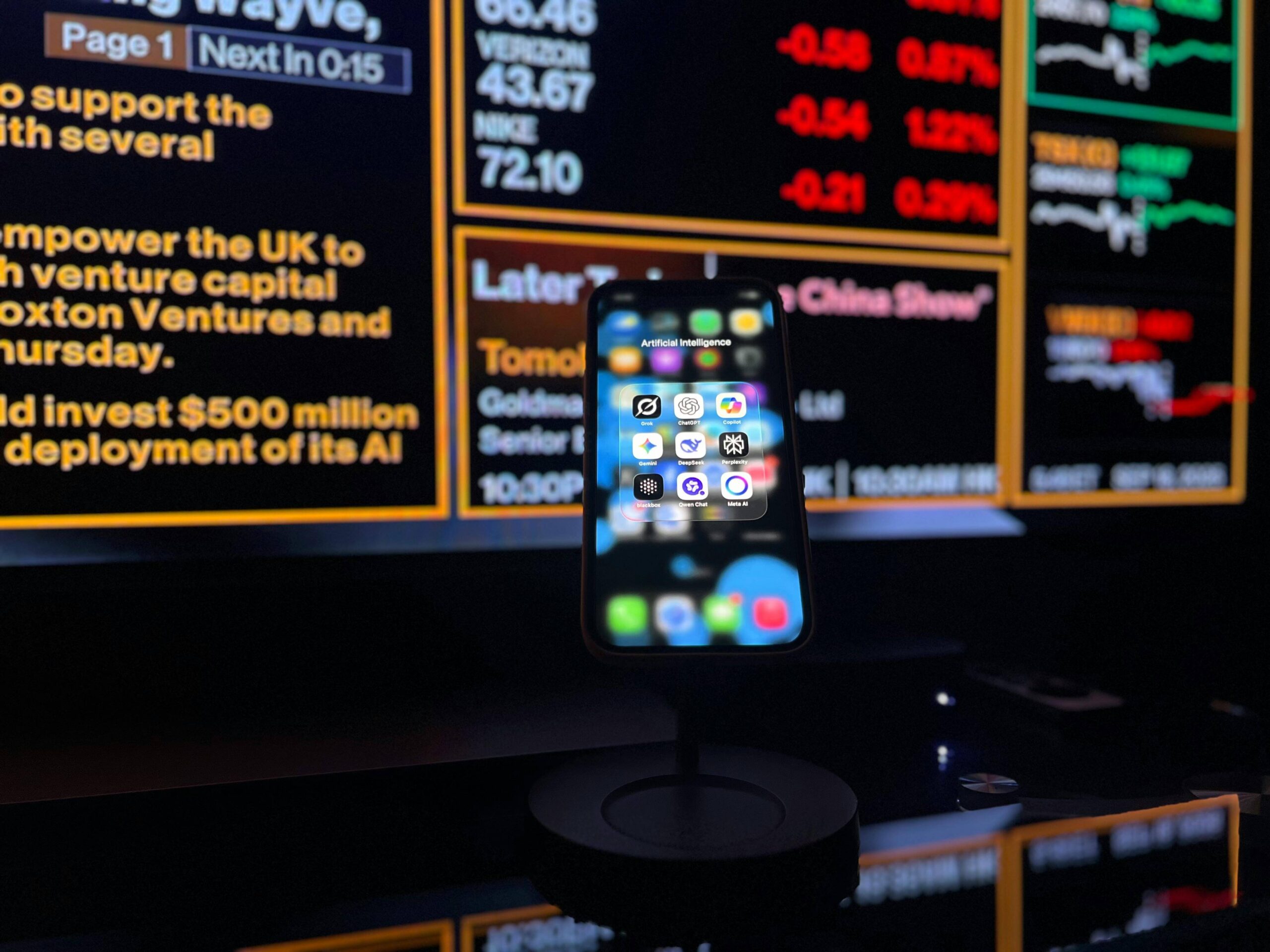
Visual generative AI is still evolving rapidly, and its capabilities are expected to grow significantly in the coming years.
Future advancements may include:
-
Real-time image generation for live marketing campaigns
-
AI-generated 3D product visualizations
-
Interactive visual advertisements
-
AI-powered virtual brand ambassadors
As these technologies develop, businesses will have even more opportunities to create immersive and engaging customer experiences.
Companies that adopt visual AI tools early may gain competitive advantages in digital marketing and brand communication.
Conclusion
Visual content plays a crucial role in modern marketing, helping brands capture attention, communicate ideas, and build relationships with customers. With the emergence of generative AI technologies, businesses now have powerful tools that can produce creative and engaging visuals quickly and efficiently.
Through applications such as personalized marketing, social media engagement, product visualization, and brand storytelling, visual generative AI in marketing is reshaping how companies interact with audiences.
While challenges related to ethics, authenticity, and copyright remain important considerations, responsible use of these technologies can unlock new creative possibilities for businesses.
As artificial intelligence continues to evolve, visual generative AI is likely to become an essential part of digital marketing strategies, helping brands create truly picture-perfect experiences for their customers.