
Visual generative AI in advertising is transforming how brands stay competitive in a data-driven market. Today, marketers need to create high-quality images and videos quickly while adapting campaigns across multiple platforms.
Visual Generative AI in Advertising helps marketers generate images, product scenes, graphics, and other creative assets from natural-language prompts. Instead of relying entirely on traditional production workflows, advertising teams can use AI to explore multiple creative concepts, produce variations, and refine campaigns more efficiently.
Modern advertising platforms are already integrating generative AI directly into creative workflows. Google Ads, for example, now offers image and video generation capabilities through Asset Studio, including technologies such as Gemini, Veo, and Nano Banana.
The technology does not eliminate the need for marketers or designers. Instead, it can become a creative assistant that supports ideation, production, personalization, and experimentation.
What Is Visual Generative AI in Advertising?
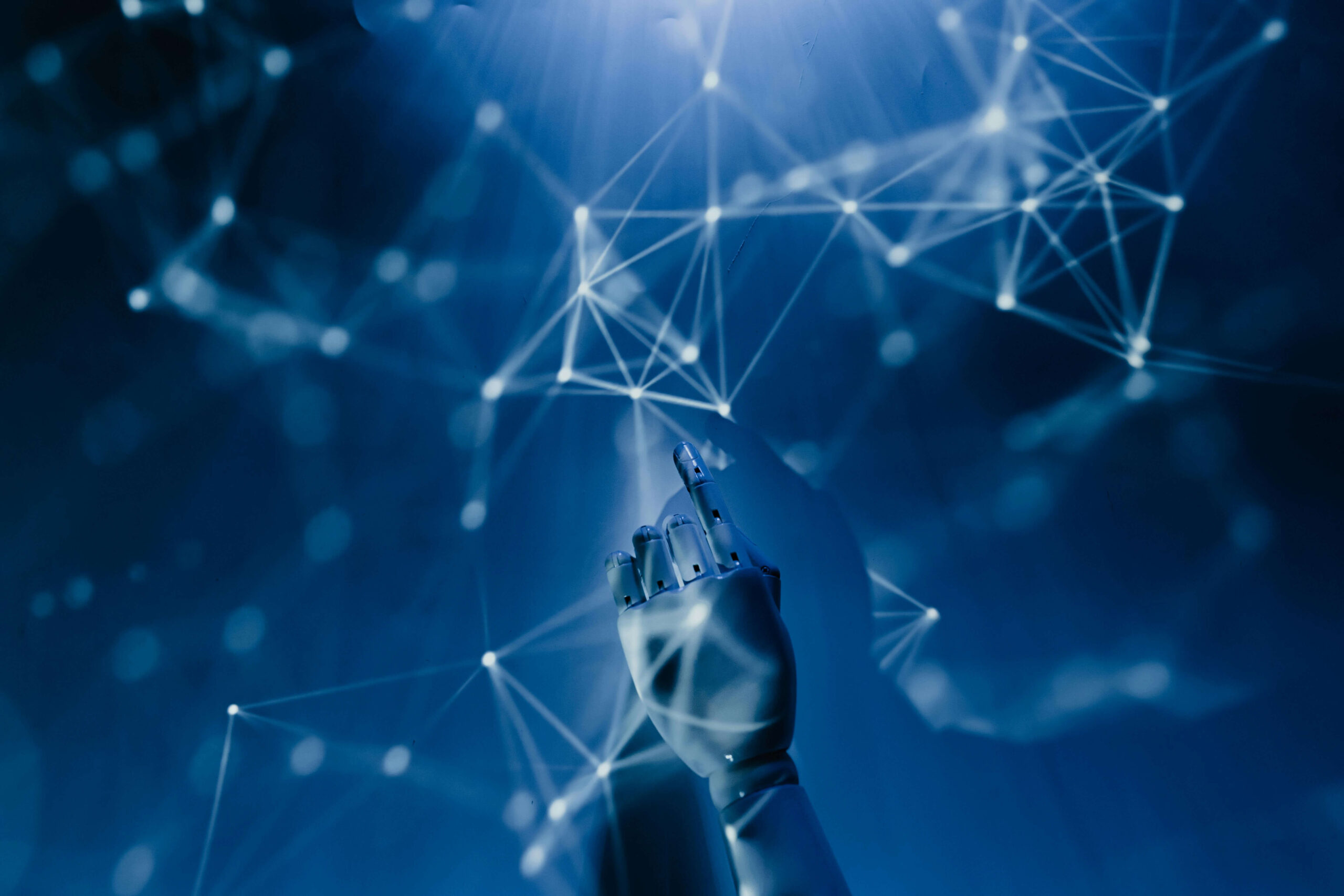
How Visual Generative AI Creates Ad Content
Visual generative AI refers to AI systems that create or transform visual content based on prompts, reference images, or other instructions.
A marketer can describe a desired product scene, advertising concept, background, or visual style, and an AI model can generate an image or modify an existing asset.
This makes it possible to move from an initial idea to multiple creative concepts without starting every design from scratch.
Why Visual Content Matters in Digital Advertising
Images and videos are central to advertising across search, social media, websites, ecommerce platforms, and connected TV.
Strong visual content can help brands:
- Attract attention
- Explain products
- Communicate brand identity
- Demonstrate product benefits
- Support storytelling
- Create memorable campaign experiences
Visual generative AI gives marketers another way to develop these assets at scale while maintaining human control over the creative direction.
Current Visual Generative AI Tools in Advertising
AI-powered advertising is becoming part of mainstream marketing platforms rather than remaining a separate experimental workflow.
Google Ads’ Asset Studio supports AI-generated images and videos, while Google’s 2026 updates include models such as Nano Banana Pro and Veo for advertising creative.
Adobe Firefly also supports generative image and video creation within Adobe’s creative ecosystem, including workflows designed for commercial content creation.
These developments show how generative AI is becoming integrated into the advertising production process.
Benefits of AI-Generated Advertising Visuals
Faster Creative Production
Traditional advertising production can require briefing, photography, design, editing, revisions, and approval.
Generative AI can shorten the early creative process by producing multiple concepts from a prompt. Marketers can experiment with different compositions, environments, product presentations, and campaign themes before selecting a direction.
Google’s current advertising tools allow marketers to generate and iterate on creative assets directly inside advertising workflows.
This can be particularly useful when campaigns require many creative variations.
Personalization and Creative Variations
Different audiences may respond to different visual messages. Generative AI can help marketers create variations for different customer segments, locations, products, or campaign objectives.
For example, an ecommerce brand could develop different product scenes for seasonal campaigns or create variations of an advertisement for different audience groups.
The important distinction is that AI can produce the variations, while marketers still need to determine whether those variations accurately represent the brand and audience.
Lower Production Barriers
Professional photography, design, video production, and creative agencies can require significant resources.
AI-generated visuals can reduce some of the effort involved in producing early concepts and variations. This can be particularly useful for startups, small businesses, and marketing teams with limited creative resources.
However, lower production costs do not automatically mean better advertising. Human review, brand strategy, quality control, and audience research remain important.
Using Visual Generative AI in Advertising Campaigns
AI-Assisted Creative Testing
One major opportunity is using AI to create multiple creative variations for testing.
A marketing team could test different:
- Product backgrounds
- Visual compositions
- Headlines
- Calls to action
- Product presentations
- Image formats
Performance data can then help marketers understand which creative approaches deserve further testing.
Google’s current Asset Studio also includes creative experimentation and performance-oriented capabilities for generated assets.
Combining AI With Brand Guidelines
AI-generated content should not be created without a clear brand strategy.
Before generating visuals, marketers should define:
- Brand colors
- Typography
- Product appearance
- Tone
- Target audience
- Visual identity
- Advertising restrictions
A useful workflow is brand guidelines → AI generation → human review → testing → optimization.
This approach helps prevent campaigns from becoming visually inconsistent.
Human Creativity Still Matters
Generative AI can produce many ideas, but marketers still decide which ideas are appropriate.
Human professionals provide context, emotional understanding, cultural awareness, storytelling, and strategic judgment.
Adobe describes generative AI for marketing as supporting workflows such as asset creation, personalization, and customer experiences while emphasizing human judgment.
The strongest workflow is therefore not simply “AI creates the advertisement.” It is AI-assisted creation guided by human strategy.
Risks and Challenges of AI-Generated Advertising Visuals
Copyright and Intellectual Property
Copyright is one of the most important considerations when using generative AI for commercial advertising.
The legal treatment of AI-generated content can depend on factors such as the source material, model, jurisdiction, and nature of the output. NIST identifies intellectual-property concerns as a significant generative AI risk area.
Businesses should therefore review the terms and commercial-use policies of the specific AI tools they use.
For example, Adobe says Firefly models are trained using licensed and public-domain content and are designed for commercially safe use.
Authenticity, Bias, and Consumer Trust
AI-generated advertising can create realistic people, products, environments, and situations that never existed.
That can create transparency concerns, especially when consumers could reasonably believe an image represents a real photograph or event.
AI-generated content can also reproduce unwanted biases or produce inaccurate visual representations.
Marketers should review generated content for accuracy, inclusivity, misleading representations, and brand safety before publication.
Transparency and Responsible AI Practices
Responsible AI advertising requires more than generating attractive visuals.
Businesses should establish clear processes for:
- Human approval
- Copyright review
- Brand-safety checks
- AI-content transparency
- Data protection
- Bias evaluation
- Advertising-policy compliance
Adobe’s Content Credentials, for example, can provide metadata about how certain assets were created or edited and are used within Firefly to support generative AI transparency.
NIST’s Generative AI Profile also provides a framework for identifying and managing risks associated with generative AI systems.

The Future of Visual Generative AI in Advertising
AI-Generated Video and Interactive Ads
The next phase of AI advertising extends beyond static images.
Current platforms are already bringing generative video into advertising workflows. Google Ads supports Veo-based video generation through Asset Studio, while Adobe Firefly supports text-prompt video generation.
Future advertising workflows may increasingly combine text, images, video, animation, and interactive experiences within a single creative process.
Real-Time Personalized Creative
AI can also support more dynamic advertising experiences.
Instead of producing one creative asset for an entire campaign, marketers may increasingly create multiple versions based on audience characteristics, product context, placement, or campaign goals.
Meta has also announced that its Muse Image technology is coming to advertisers through Meta Advantage+ creative, illustrating the broader movement toward AI-powered advertising creation.
AI and Human Collaboration
The long-term direction of advertising is likely to involve collaboration between AI systems and human creative teams.
AI can help with:
- Idea generation
- Visual exploration
- Asset variations
- Production assistance
- Creative testing
Humans remain responsible for:
- Strategy
- Brand positioning
- Storytelling
- Ethical decisions
- Cultural context
- Final approval
This balance allows businesses to benefit from AI’s speed while preserving the human judgment required for effective advertising.
Key Takeaways
- Visual Generative AI in Advertising can accelerate creative production and experimentation.
- AI can help marketers create multiple visual variations for different campaigns and audiences.
- Human creativity remains important for strategy, storytelling, brand consistency, and final approval.
- Copyright, transparency, bias, and authenticity require careful attention.
- Google, Adobe, and Meta are integrating generative AI into advertising and creative workflows.
- The future of AI advertising is likely to combine generative images, video, personalization, and human creative direction.
Conclusion
Visual Generative AI in Advertising is changing how brands approach creative production, personalization, and campaign experimentation. Modern advertising platforms are increasingly integrating AI directly into creative workflows, making it easier to generate and refine visual assets at scale.
However, effective advertising still requires more than AI-generated visuals. Brands need strong creative strategy, accurate product representation, human oversight, responsible AI practices, and consistent storytelling.
For SmartMindAI, this topic can also naturally connect to related articles about Generative AI and Human Creativity, Generative AI in Content Marketing, AI Market Risks, and AI and Cybersecurity through contextual internal links.